
Views: 0 Author: Site Editor Publish Time: 2026-09-05 Origin: Site


The physical limitation of transferring heavy, oversized equipment to offshore rigs creates a severe operational bottleneck in offshore logistics. Clear deck space often proves more valuable than total deadweight tonnage (DWT) when planning rig support operations. Miscalculating the ratio of open deck space to below-deck storage leads to inefficient port turnarounds, forces payload restrictions, and increases fuel consumption per voyage. Ultimately, this compromises project timelines and disrupts drilling schedules. Analyzing offshore supply vessel deck area alongside structural load limits and below-deck tankage is essential for fleet managers. These specifications must be evaluated against shifting global market cycles and specific regional operating needs. This ensures the selected vessel delivers strong lifecycle returns without falling victim to space constraints during peak offshore construction phases.
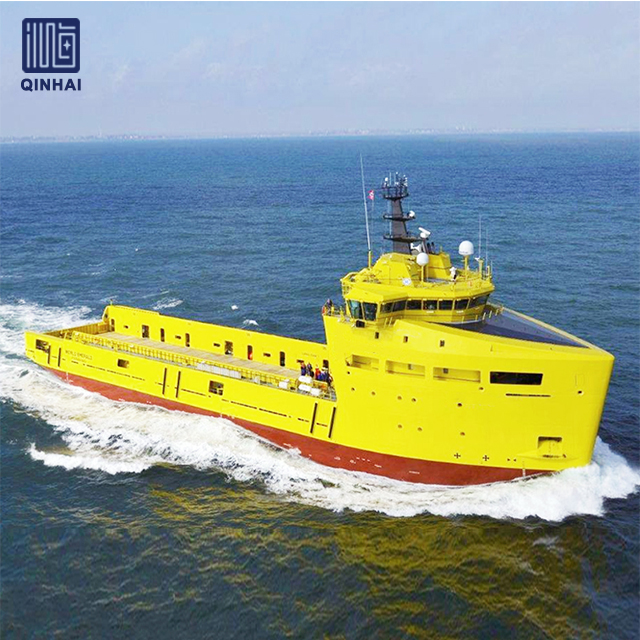
Clear deck area represents the exact usable square meterage available for cargo stowage behind the accommodation block. We measure this space by subtracting the footprint of machinery casings, ventilation trunks, crash rails, and mandatory safe havens from the total aft deck dimensions. This metric dictates the volume of non-containerized, bulky cargo a vessel can transport to an offshore installation. Offshore drilling operations rely heavily on this continuous flat space. A standard drilling campaign requires expansive areas for 40-foot drill pipes, heavy marine risers, and bulky casing strings. Offshore construction phases demand room for subsea infrastructure, heavy manifolds, and specialized chemical totes. Maximizing this footprint directly increases logistical efficiency. Every square meter gained reduces the number of voyages required to supply a remote offshore facility.
Vessel designers optimize the main deck layout to remove physical obstructions. Flush decks without protruding fittings allow for flexible cargo arrangements. Cargo planners use this clear space to map out exact stowage plans before the vessel even arrives at the port. Efficient space utilization ensures that shore-based crane operators and deck crews can load and discharge equipment safely. It provides roustabouts with adequate room to secure the cargo using heavy chains, dunnage, and pneumatic tensioners. The usable area directly correlates with the vessel's daily charter rate. Charterers will always pay a premium for a vessel that can take an extra joint of casing or an additional mud skip.
Space alone does not guarantee cargo capacity. Deck strength metrics determine actual utility on the water. Classification rules dictate heavy deck cargo limits based on the underlying steel structure. Standard supply vessels support 5 to 10 metric tons per square meter. High-capacity vessels feature reinforced areas exceeding 25 kN/m². Naval architects reinforce the main deck to handle severe point loads. Heavy machinery, crawler cranes, and concentrated module weights require robust under-deck framing. This reinforcement prevents deck buckling when a 50-ton subsea tree is lowered onto the timber dunnage. It ensures the hull girder strength remains uncompromised under dynamic sea states.
Shipbuilders utilize high-tensile steel for deck plating to achieve these high load-bearing capacities. Transverse and longitudinal framing systems distribute the weight of heavy cargo across the vessel's internal structure. Specialized heavy-lift areas are often designated near the stern roller or amidships. These zones accommodate extreme point loads from subsea equipment. Operators must verify these structural limits before loading oversized cargo. Exceeding the deck strength compromises the vessel's structural integrity. It bends deck plates, damages under-deck piping, and violates classification society regulations. You cannot simply drop a massive compressor skid anywhere on the deck; it must sit on designated strong points.
Deck cargo interacts constantly with below-deck cargo. Pipes and containers sit high above the waterline, acting as a massive weight on a pendulum. Below-deck tanks hold fuel, fresh water, liquid mud, dry bulk, and chemicals. Stacking heavy cargo on the deck shifts the vessel's center of gravity (KG) upward. Maintaining a safe metacentric height (GM) requires precise below-deck ballast. Liquid cargo distribution acts as a counterweight to the deck load. Operators must calculate stability conditions for every phase of the voyage. Consuming fuel and water during transit alters the vessel's stability profile. A vessel that leaves port perfectly stable can become dangerously tender by the time it reaches the rig if the crew pumps out too much liquid mud without taking on ballast water.
Regulatory definitions strictly delineate OSV functions. The USCG and international bodies separate deck cargo rules from bulk cargo carriage. Proper cargo planning ensures the vessel complies with intact and damage stability criteria. Master mariners use advanced loading computers to simulate cargo distributions before the first crane lift. They adjust liquid mud and ballast water levels to compensate for heavy deck loads. This dynamic balance ensures the vessel remains stable in severe weather conditions. If the deck is packed with heavy drill collar, the lower tanks must carry enough weight to keep the vessel stiff in the water.
Overall length (LOA) and beam translate directly to usable deck space. Shifting global cycles influence the demand for specific vessel sizes. Reviewing offshore supply vessel technical specifications reveals how dimensions dictate capability. An 85m offshore supply vessel for sale serves as a prime benchmark for modern deepwater operations. A vessel roughly 280 feet in length typically yields 800 to 1,000 square meters of clear deck. This corresponds to a DWT of 4,000 to 5,000 tons. Market demands often dictate whether operators prioritize maximum DWT or maximum deck square footage. A wider beam often provides more usable space than simply extending the length, as it allows for side-by-side stowage of standard pipe racks.
During peak drilling cycles, demand surges for vessels with expansive deck areas. Deepwater rigs consume massive quantities of drill pipe and casing. Operators require vessels capable of delivering these materials in a single voyage to avoid shutting down the drilling operation. Conversely, construction phases prioritize vessels with high deck strength for heavy modules. Understanding these market dynamics helps fleet managers optimize their assets. Selecting the right dimensional class ensures high utilization rates. It maximizes revenue generation across different offshore project phases. You want a vessel that can pivot from hauling mud skips for a drilling rig to carrying subsea manifolds for a pipelay vessel.
The operational reality of port cycles is demanding and unforgiving. A standard 24-36 hour turnaround is required for a 280-foot OSV. Crews must offload a full deck load of inbound rig returns, which often includes empty chemical totes, damaged drill bits, and garbage skips. They clean the deck thoroughly to remove slippery drilling mud. Next, they load outbound dry bulk, mud, and new deck cargo. An unobstructed, linear deck layout minimizes shore crane lifts. It accelerates loading times significantly. Faster turnarounds directly reduce operational expenditure (OPEX). Efficient deck logistics keep vessels at sea earning day rates rather than idling at the quayside burning marine gas oil.
Port facilities operate on tight schedules. Delays in cargo handling create cascading logistical bottlenecks for the entire offshore field. A well-designed deck layout allows shore cranes to operate with maximum efficiency. Clear sightlines and logical cargo zoning prevent double-handling of equipment. The standard port turnaround sequence follows a strict operational order:
Crew members can secure outbound cargo swiftly while bulk hoses transfer liquid mud simultaneously below deck. This synchronized operation defines a high-performance offshore supply vessel. It highlights the critical importance of deck design in overall fleet logistics. If the deck has too many obstructions, the crane operator has to slow down, and the whole port operation drags on for extra hours.
Different commercial vessel types allocate deck space based on core functions. PSVs maximize aft deck space for pure cargo transport. They feature flat, unobstructed surfaces extending all the way to the stern. AHTS vessels sacrifice cargo area to accommodate heavy machinery. Towing winches, stern rollers, shark jaws, and tow pins consume valuable deck space. This fundamental design difference dictates their operational roles in the field. You cannot expect an AHTS to carry the same volume of pipe as a PSV of the exact same length.
PSVs serve as the primary logistical workhorses for offshore installations. Their expansive decks accommodate diverse cargo profiles, from food containers to massive blowout preventers. AHTS vessels focus on rig moves and anchor handling. While they can transport cargo, their capacity is significantly reduced by the massive winch housings sitting right behind the accommodation block. Operators must choose the correct vessel type based on the specific mission requirements. Deploying an AHTS for a pure supply run results in severe logistical inefficiencies.
| Operational Feature | Platform Supply Vessel (PSV) | Anchor Handling Tug Supply (AHTS) |
|---|---|---|
| Primary Field Function | Cargo transport and rig supply | Towing, anchor handling, and rig moves |
| Clear Deck Area | Maximized (typically 800-1000+ m²) | Reduced due to deck machinery footprint |
| Deck Obstructions | Minimal, flush deck design | Winches, stern rollers, shark jaws, tow pins |
| Cargo Versatility | High (pipes, containers, heavy modules) | Moderate (limited by machinery placement) |
| Turnaround Speed | Fast (optimized for shore crane operations) | Slower (complex deck layout requires careful lifting) |
MPSVs utilize deck area differently than standard supply boats. They integrate subsea cranes, ROV launch and recovery systems (LARS), and moonpools. This equipment consumes significant square footage. It reduces raw cargo capacity but increases specialized intervention capabilities. Construction and subsea maintenance require these specialized deck layouts. MPSVs perform complex tasks that standard supply vessels cannot execute, such as lowering a 100-ton manifold to the seabed at 2,000 meters depth.
The integration of heavy subsea cranes requires massive deck reinforcement and pedestal foundations. Moonpools disrupt the continuous deck surface, requiring careful structural compensation to maintain hull strength. ROV hangars and control cabins occupy prime deck real estate. Fleet managers must balance the loss of cargo space against the high day rates commanded by MPSVs. These vessels represent the pinnacle of offshore versatility, but their deck logistics require meticulous planning. Every piece of equipment loaded must be mapped around the moonpool and crane swing radius.
Operators face the constant risk of "cubing out before weighing out." This occurs when a vessel runs out of physical deck space before reaching its maximum DWT. Low-density, bulky cargo like empty containers or lightweight casing causes this inefficiency. Empty tanks below deck mean the vessel operates below its revenue potential. The reverse risk is overloading the deck with extremely heavy, dense cargo. Excessive weight leads to excessive draft and reduced freeboard. It compromises stability in harsh weather environments. Proper cargo planning prevents these dangerous scenarios.
Maintaining adequate freeboard is a strict regulatory requirement. Overloading the deck pushes the vessel deeper into the water. This increases the risk of green water washing over the deck during heavy seas. It threatens the safety of the crew working on deck and the integrity of the cargo lashings. Loadline marks on the hull clearly indicate maximum draft limits. Vessel masters hold the ultimate responsibility for ensuring the vessel never exceeds these critical safety parameters. If the draft marks go underwater, the vessel does not sail.
Stacking containers three-high on the aft deck creates a massive sail area. This windage affects the vessel's dynamic positioning (DP) system. The thrusters must work harder to hold station against crosswinds. Operators must factor in the height of the deck cargo when calculating the vessel's environmental capability plot. High deck cargo also obstructs the view from the aft control station. The Master relies on CCTV cameras and deck crew radios to monitor the stern during close-quarters maneuvering near the rig.
Strict classification society rules govern deck cargo securing. ABS, DNV, and KR enforce specific structural requirements for the deck plating and lashing points. Machinery spaces facing the cargo area require specialized protection, such as heavy steel crash barriers. Safety requirements dictate clear navigation paths for crews. Fully loaded decks must maintain safe havens and escape routes so the crew can retreat if a wave breaches the stern. Mandatory relieving capacity is critical. Freeing ports must clear green water from the deck rapidly to prevent catastrophic stability loss from the free surface effect of trapped water.
Classification societies mandate regular inspections of the deck structure. Surveyors check for corrosion, metal fatigue, and buckling from previous heavy lifts. Cargo securing points, such as D-rings and flush sockets, undergo rigorous pull testing. The vessel's safety management system dictates exact procedures for lashing cargo. Failure to comply with these regulations results in immediate detention by port state control authorities. Safety margins must remain intact regardless of commercial pressures from charterers pushing for one more container.
Evaluating an offshore supply vessel manufacturer in China requires a strict framework. Focus on their track record with complex steel fabrication. Deck reinforcement is a highly specialized skill that requires precision engineering. Shipyards must adapt designs to regional operating needs, whether that means winterization for the North Sea or enhanced cooling for West Africa. Specifying high-tensile steel for deck plating is vital. Ensure the shipyard meets stringent international classification standards for heavy deck loads. Quality control during hull construction guarantees long-term structural integrity.
Procurement teams must audit the shipyard's welding procedures. Non-destructive testing (NDT) verifies the integrity of critical deck seams. The shipyard must demonstrate proficiency in installing flush deck fittings and heavy-duty crash barriers. Customization options allow operators to tailor the vessel to specific charter requirements. This includes modifying under-deck tank capacities to optimize the vessel's center of gravity. A proven shipyard delivers a vessel ready for immediate deployment in harsh offshore environments without requiring aftermarket structural modifications.
Analyze the trade-offs between initial capital expenditure (CAPEX) and long-term OPEX savings. A larger deck area requires a higher initial investment in steel and shipyard labor. However, it delivers higher payload efficiency over the vessel's lifespan. Faster port turnarounds and fewer required voyages generate substantial lifecycle value. Maximizing cargo per trip reduces fuel consumption per ton delivered. This efficiency drives long-term profitability and makes the vessel more attractive to major oil companies focused on reducing their supply chain emissions.
Vessels designed with optimized deck layouts experience less downtime. Cargo operations proceed smoothly, reducing wear and tear on deck equipment and lashing gear. The ability to carry diverse cargo profiles ensures the vessel remains employable across different market cycles. Fleet operators must look beyond the purchase price. They must evaluate the vessel's earning potential over a twenty-year lifespan. Superior deck logistics provide a distinct competitive advantage in the global offshore market.
A: Standard limits typically range from 5 t/m² to over 10 t/m². High-specification vessels feature reinforced areas often exceeding 25 kN/m² to safely support heavy equipment, crawler cranes, and massive construction modules.
A: While DWT represents the total weight capacity, deck area dictates the volume of low-density, bulky cargo. Operators must balance weight and space carefully to avoid "cubing out" before reaching maximum weight limits.
A: PSVs feature clear, unobstructed aft decks designed purely for maximum cargo transport. AHTS decks are heavily modified with towing winches, stern rollers, and anchor-handling machinery, which significantly reduces overall cargo space.
A: Yes. Carrying heavy deck cargo raises the vessel's center of gravity. Below-deck tanks must often remain full of fresh water, fuel, or liquid mud to act as ballast and maintain safe stability margins.
A: Look for clear deck area, deck strength metrics, liquid mud capacity, and dry bulk capacity. Ensure adequate relieving capacity for water clearance and verify the dynamic positioning class for safe offshore operations.
A: A standard 280-foot vessel typically requires a 24-36 hour port turnaround. This demanding cycle includes offloading rig returns, cleaning the deck, and loading outbound bulk fluids and new deck cargo.


