
Views: 0 Author: Site Editor Publish Time: 2026-09-04 Origin: Site


Maritime dry bulk shipping faces a hard logistical limit. Bulk carriers move massive volumes of raw materials across oceans, but their routes depend heavily on shore-based infrastructure. Ports lacking deep-water berths, high-capacity shore unloaders, or extensive conveyor networks remain completely inaccessible to gearless ships. You either have the equipment on the dock, or you bring it on the deck.
Investing in a geared vessel forces a strict capital and operational expenditure decision. You trade maximum cargo capacity for route flexibility. Onboard cranes unlock secondary ports and allow mid-stream barge transfers. However, they also add heavy maintenance burdens, increase structural weight, and impose draft restrictions.
This technical evaluation framework helps fleet managers, shipowners, and charterers determine when integrating deck cranes justifies the investment. We analyze tonnage requirements, route profiles, and specific cargo types to clarify the operational advantages of geared bulkers.
Choosing a geared vessel requires defining strict baseline metrics for your trade routes. You must evaluate required port accessibility first. Determine the cargo discharge rates necessary for your specific contracts. Assess the frequency of mid-stream barge loading operations. If your vessels frequently call at well-equipped deep-water terminals like Newcastle or Richards Bay, gearless ships offer better efficiency. You maximize cargo intake and minimize maintenance. If your routes involve secondary ports in Southeast Asia or West Africa, self-sustaining capabilities become mandatory.
A crane bulk carrier features a distinct structural layout. Naval architects position pedestal cranes strategically on the main deck between the hatch covers. This placement provides optimal reach into the cargo holds located below deck. It maximizes the operational radius for both loading and discharging over the port and starboard sides. The structural integration requires heavy deck reinforcement. Shipbuilders install massive steel support cylinders under the main deck to transfer dynamic lifting loads directly into the hull girder.
Onboard cranes unlock access to secondary and tertiary ports globally. Developing regions often lack high-capacity shore unloaders. These ports frequently handle agricultural products, minor ores, and fertilizers. A geared vessel operates independently of shore facilities. It can discharge cargo directly into trucks on the pier, hoppers, or barges alongside the ship. This autonomy reduces port congestion delays. You avoid waiting weeks for a specialized discharge berth.
Geared vessels excel in executing complex voyages involving multiple discharge ports. Infrastructure capabilities vary wildly between regional stops. A ship might discharge half its grain cargo at a modern terminal using pneumatic shore unloaders. It then sails to a shallow-draft, unequipped port to discharge the remainder using its own grabs. Onboard cranes make this multi-port flexibility possible. Operators can split cargoes across different regional buyers without chartering smaller feeder vessels.
Deck cranes introduce a measurable deadweight loss. Mounting four 30-ton pedestal cranes, along with their hydraulic power packs, jibs, and heavy deck reinforcements, adds massive steel weight. This penalty typically ranges from 400 to 800 tons depending on the crane configuration. This lost capacity directly impacts revenue per voyage. You carry less cargo. You must compare this loss against gearless alternatives. The freight rate premium commanded by geared vessels for accessing restricted ports must offset this payload penalty.
Cranes are standard equipment on smaller bulk carrier vessel types. They remain rare on Capesize or Panamax vessels. Large vessels rely entirely on economies of scale. They serve dedicated deep-water terminals equipped with massive shore-based grab unloaders or continuous ship unloaders. Installing cranes on a 180,000 DWT Capesize vessel adds unnecessary weight. It provides zero benefit since these ships cannot physically access the shallow, unequipped ports where onboard cranes are useful.
Cargo ships feature specialized designs based on their payload. The density, flowability, and stowage factor of unpackaged goods dictate vessel requirements. Coal, limestone, iron ore, gravel, and grains behave differently during loading and transit. These commodities often necessitate a geared vessel for regional distribution. Specific crane attachments handle different materials. Electro-hydraulic grabs handle free-flowing bulk like grain or coal. Hook attachments manage break-bulk cargoes like steel coils, timber, or bagged cement.
A 20000 ton bulk carrier equipped with cranes serves specific niche markets. These vessels dominate short-sea shipping and island trades. They navigate severe draft restrictions easily. Small geared bulkers access river ports and coastal facilities completely inaccessible to larger tonnage. They provide supply lines for localized construction materials, aggregates, and agricultural feeds. Their shallow draft allows them to cross river bars at high tide and discharge directly onto unimproved quays.
The 30,000 to 40,000 DWT range represents the most common geared configuration. When evaluating a 35000 DWT bulk carrier for sale, you see the optimal balance of capabilities. This size offers substantial cargo capacity while maintaining excellent draft versatility. The standard four-crane arrangement provides complete coverage of all five cargo holds. Handysize vessels form the absolute backbone of the minor bulk trade. They carry steel products outbound and return with grain or fertilizer.
Scaling up to 50,000 or 60,000 DWT geared vessels introduces different operational realities. Handymax and Supramax ships focus on high-volume commodities. They utilize heavy-duty, grab-fitted cranes. These vessels handle larger parcels of coal, grains, and minor ores like bauxite or nickel ore. Their increased draft restricts them from the smallest ports. However, their self-sustaining capability still allows mid-stream discharging into barges at anchorages. This proves highly effective in countries like Indonesia or the Philippines where offshore transshipment is standard practice.
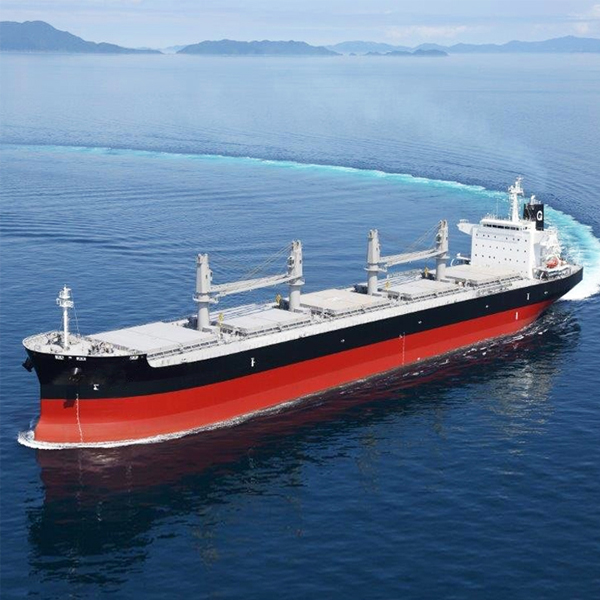
Selecting the right lifting appliance directly impacts operational efficiency and turnaround times. Electro-hydraulic cranes dominate the modern fleet. They offer smooth operation, precise control, and proven reliability. Wire-luffing cranes offer robust performance for heavy grab operations, utilizing steel wire ropes to adjust the jib angle. Cylinder-luffing cranes use massive hydraulic rams for jib movement. They provide a lower center of gravity and take up less deck space. You must match the crane type to the primary cargo.
| Crane Type | Primary Mechanism | Best Suited For | Maintenance Profile |
|---|---|---|---|
| Electro-Hydraulic Wire-Luffing | Hydraulic motors driving wire rope winches | General bulk, deep holds, high outreach | High (frequent wire rope dressing and replacement) |
| Electro-Hydraulic Cylinder-Luffing | Hydraulic cylinders for jib elevation | Space-constrained decks, heavy grabs | Medium (cylinder seal replacements, pin greasing) |
| Fully Electric Variable Frequency Drive (VFD) | Electric motors with VFD control | Eco-friendly operations, cold climates | Low (fewer moving parts, no hydraulic fluid leaks) |
Loading and unloading efficiency varies significantly across systems. Shore cranes generally offer the fastest cycle times. They utilize unlimited shore power supplies and massive grabs that shipboard systems cannot support. Shipboard cranes operate slower but provide total autonomy. Industry professionals often compare ship cranes to specialized self-unloading ships. Self-unloaders use internal conveyor belts and discharge booms. They discharge free-flowing cargo like gypsum or coal much faster. However, traditional geared bulkers offer greater cargo versatility. Self-unloaders cannot handle break-bulk, steel coils, or cohesive, sticky ores.
Operating geared vessels increases operational expenditure significantly. Hydraulic systems require rigorous, unrelenting maintenance schedules. Corrosive marine environments degrade exposed components rapidly. Saltwater attacks cylinder rods, wire ropes, and limit switches. Crews must perform regular greasing of slew bearings, hydraulic fluid checks, and structural inspections. Specialized crew training is mandatory. Operators must understand load charts, swing dynamics, and safe working limits. Poor maintenance leads to catastrophic crane failures. A broken crane causes severe port delays, off-hire claims, and angry charterers.
Classification societies play a critical role in maritime safety and insurance underwriting. Operating an ABS certified crane bulk carrier ensures structural integrity. The American Bureau of Shipping (ABS) verifies the safe working load (SWL) of all lifting appliances. Surveyors inspect the fatigue life of deck cranes, their supporting pedestals, and the underlying deck structure. Certification guarantees the vessel meets stringent international safety standards for cargo handling. Without valid class certificates for the cargo gear, terminals will refuse to let the ship operate.
International regulations govern onboard cargo gear strictly. The ILO Convention 152 outlines occupational safety requirements for dock work and lifting appliances. SOLAS (Safety of Life at Sea) mandates regular testing, inspection, and certification. Vessels must maintain a comprehensive Cargo Gear Record Book. This document tracks every wire rope replacement, load test, and annual inspection. Port State Control (PSC) inspectors review these records frequently during routine boardings. Non-compliance results in immediate operational detentions and heavy financial penalties.
Crane failures during cargo operations pose severe risks. Dropped loads cause catastrophic hull damage, puncture tank tops, or result in fatal injuries to stevedores. Operators must implement strict risk mitigation strategies. Redundancy planning ensures operations continue if one crane fails. A four-crane setup allows adjacent cranes to cover a hold if necessary, albeit at a slower rate. Predictive maintenance protocols utilize hydraulic oil analysis and vibration monitoring on winch motors. These techniques identify impending component failures before they occur. Regular five-year proof load testing validates the mechanical integrity of the entire lifting system.
Commissioning a newbuild offers distinct operational advantages for long-term fleet planning. Partnering with a reputable custom bulk carrier supplier allows complete specification control. You dictate crane outreach, lifting capacity, and cycle speeds. A common configuration includes four 30-ton cranes, but specialized trades might require 40-ton units for heavy steel slabs. You can specify eco-friendly electric VFD cranes tailored to strict emission control areas. Custom builds optimize the vessel for your exact cargo mix, port profiles, and fuel efficiency targets.
Evaluating a used geared vessel requires rigorous, uncompromising inspection criteria. You cannot rely on visual assessments or fresh paint. Surveyors must perform ultrasonic thickness measurements on crane pedestals and jibs. Severe corrosion often hides within the internal pedestal structure. Wire rope inspections must verify the absence of broken strands, core degradation, or severe flattening. Hydraulic fluid analysis reveals internal pump wear and contamination levels. Thorough due diligence prevents inheriting costly mechanical liabilities that will break down during the first cargo operation.
Acquiring accurate quotes requires a detailed technical brief. When structuring a bulk carrier price inquiry, include specific operational requirements. Detail the required deadweight tonnage, draft limits, and primary cargo types. Specify the crane capacity, maximum outreach beyond the ship's rail, and attachment types. Outline the required classification society standards and any specific flag state regulations. Providing comprehensive specifications ensures you receive comparable, accurate quotes from shipyards or sale and purchase brokers. Vague inquiries result in mismatched proposals and wasted time.
A geared bulk carrier makes sense exclusively when route profiles dictate frequent calls at under-equipped ports. The premium on freight rates for this flexibility must offset the payload penalty, increased fuel consumption, and heavy maintenance costs. If your fleet operates strictly between major deep-water terminals with high-speed shore unloaders, gearless vessels remain the superior economic choice. Geared vessels provide the autonomy necessary to dominate the minor bulk trades, island supply routes, and developing market infrastructure projects.
The shortlisting logic relies on a strict decision matrix. Match the cargo type to the crane attachment. Match the deadweight tonnage to the port draft limits. Mandate strict classification society certification for all lifting appliances. This systematic approach ensures the vessel meets your operational demands safely and efficiently.
A: A geared bulk carrier features onboard cranes or derricks for independent cargo handling, allowing it to load and discharge without shore assistance. A gearless bulk carrier lacks onboard lifting appliances. It relies entirely on port infrastructure, such as shore cranes or continuous conveyor systems, to handle its cargo.
A: Geared vessels handle unpackaged bulk goods like coal, limestone, iron ore, grains, and fertilizers using specialized grab attachments. They also transport break-bulk cargoes like steel coils, timber, and bagged cement using heavy-duty hook attachments. This versatility suits varied regional trades and underdeveloped ports.
A: Naval architects place cranes on reinforced steel pedestals between the cargo holds. This central positioning maximizes the operational radius. It allows each crane to reach deep into adjacent holds and swing wide over the ship's side for efficient loading and discharging into barges or trucks.
A: No. Self-unloading vessels use internal conveyor belts and booms, discharging free-flowing bulk much faster than grabs. However, ship cranes provide necessary autonomy for a wider variety of cargo types, including break-bulk and cohesive ores that internal conveyor systems simply cannot handle.
A: It means the American Bureau of Shipping has inspected and certified the vessel's lifting appliances. ABS verifies the Safe Working Load (SWL), structural integration with the deck, and overall mechanical integrity. This ensures strict compliance with international maritime safety standards and insurance requirements.
A: The industry standard for Handysize bulk carriers is typically 25 to 30 metric tons per crane. These vessels usually feature a four-crane configuration. This setup provides sufficient capacity to handle heavy grabs filled with dense bulk commodities while maintaining acceptable cycle times.


