
Views: 0 Author: Site Editor Publish Time: 2026-09-10 Origin: Site


The International Maritime Organization (IMO) has introduced a SOLAS amendment reshaping bridge equipment standards. Starting January 1, 2026, specific newbuild vessels must install type-approved electronic inclinometers. Parametric rolling and cargo stack collapses present severe operational risks to modern fleets. Traditional mechanical heel indicators suffer from dangerous latency and momentum-induced inaccuracy. These outdated tools cannot capture the dynamic realities of ultra-large container shipping. The maritime sector is rapidly shifting toward enhanced digital monitoring and automated recording of ship dynamics. This mandate forces the industry to abandon passive observation in favor of active, real-time data recording. Shipowners, naval architects, and fleet managers must specify compliant, integrated inclinometer systems during the newbuild design phase. You need to align these systems with upcoming regulations and integrate them seamlessly into modern bridge architectures to ensure compliance and vessel safety.
The IMO SOLAS amendment introduces strict requirements for navigational bridge equipment under Chapter V. It mandates electronic inclinometers for new bulk carriers and containerships exceeding 3,000 gross tonnage (GT). The regulation applies exclusively to vessels constructed on or after January 1, 2026. The IMO targeted these specific vessel types due to their unique stability profiles and recent high-profile cargo loss incidents. Container ships operate with exceptionally high centers of gravity. They carry massive deck cargoes that create significant windage areas. This configuration makes them highly vulnerable to parametric rolling and dangerous synchronous roll motions.
Parametric rolling occurs when the wave encounter frequency matches approximately half the ship's natural roll frequency. This causes the restoring lever to vary dynamically, amplifying roll angles rapidly. The IMO regulation serves a dual objective. First, it enhances seafarer safety by providing early warnings of deteriorating stability. Second, it prevents the catastrophic loss or damage of cargo caused by violent movements at sea. Real-time data allows masters to alter course or speed before roll angles exceed safe structural limits. Currently, the mandate applies only to newbuilds. The IMO has not issued retroactive installation requirements for existing fleets. Many operators still choose to retrofit these systems to standardize safety protocols across their vessels.
Traditional pendulum-type clinometers rely on physical mass and gravity. These mechanical devices suffer from severe engineering limitations during heavy weather. Vessel momentum causes the pendulum to over-swing. This inertia creates false readings that exaggerate the actual roll angle. Mechanical units also exhibit significant latency. By the time the pendulum stabilizes, the vessel has already moved into a new roll phase. This delay leaves bridge crews reacting to outdated stability information.
Electronic inclinometers eliminate these physical limitations. They utilize solid-state sensors and micro-electro-mechanical systems (MEMS) technology. MEMS sensors detect angular velocity and linear acceleration without moving parts. Advanced Kalman filtering algorithms process this raw data instantly. The system isolates the true roll angle and roll period by filtering out lateral acceleration caused by sway and heave. This provides an exact, real-time picture of the ship's dynamic behavior.
| Feature | Mechanical Clinometer | Electronic Inclinometer |
|---|---|---|
| Sensor Technology | Physical pendulum and gravity | Solid-state MEMS gyroscopes and accelerometers |
| Accuracy | Low (susceptible to momentum over-swing) | High (filters out lateral acceleration via algorithms) |
| Latency | High (delayed physical stabilization) | Zero (real-time digital processing) |
| Data Logging | None (visual observation only) | Continuous output to VDR via NMEA protocols |
| Alert Integration | None | Full integration with BAM (IEC 62923) |
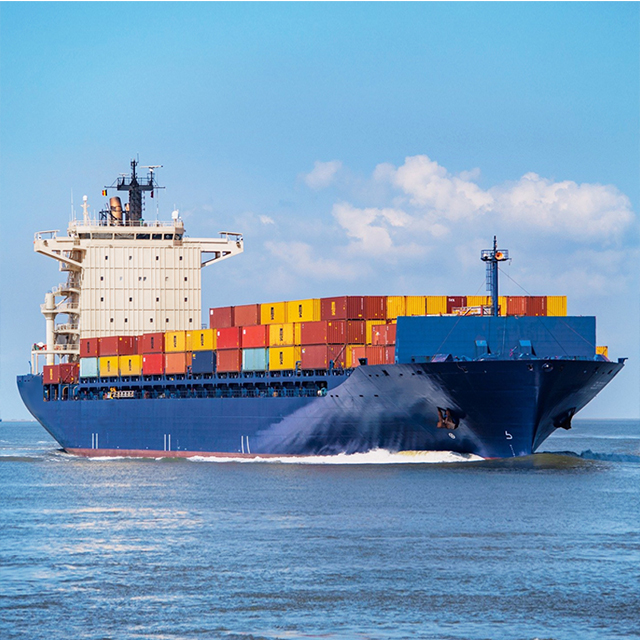
An electronic inclinometer container ship installation must meet rigorous performance standards. Type approval requires strict compliance with ISO 19636:2021. The system must measure roll angles across a minimum range of +/- 90 degrees. Pitch measurement typically requires a range of +/- 30 degrees. The display resolution must show increments of 0.1 degrees. Dynamic accuracy is mandatory under severe sea states. The sensor must maintain an accuracy margin of +/- 5% of the actual roll angle during violent vessel motions.
Redundancy protocols ensure continuous operation during emergencies. Marine environments demand highly resilient architectures. Compliant systems utilize dual-sensor configurations. If the primary MEMS unit fails, the secondary sensor takes over instantly without data interruption. The system must connect to the vessel's emergency power grid. Fail-safe uninterruptible power supplies (UPS) guarantee that the inclinometer continues recording during total blackout scenarios. This ensures post-incident investigators have access to complete stability data.
| ISO 19636:2021 Parameter | Required Specification |
|---|---|
| Roll Measurement Range | Minimum +/- 90 degrees |
| Pitch Measurement Range | Minimum +/- 30 degrees |
| Display Resolution | 0.1 degrees |
| Roll Period Range | 4 to 40 seconds |
| Data Output Rate | Minimum 1 Hz |
Standalone displays no longer meet modern bridge requirements. The inclinometer must interface directly with the Voyage Data Recorder (VDR). This requires standard NMEA 0183 or NMEA 2000 communication protocols. The sensor transmits continuous data strings containing heel, roll, pitch, and roll period metrics. The VDR logs this data for post-incident analysis and voyage performance optimization. Fleet managers use this historical data to refine heavy weather routing guidelines.
Integration with the Bridge Alert Management (BAM) system is equally necessary. The inclinometer must comply with IEC 62923 standards for alert management. Navigating officers configure specific roll angle and roll period thresholds. When the vessel exceeds these calculated safe operating limits, the system triggers visual and audible alarms. This continuous digital feed directly improves decision-making. Officers receive immediate warnings about deteriorating stability, allowing them to adjust heading and speed before parametric rolling escalates.
Drafting accurate container vessel technical specifications requires aligning the inclinometer capabilities with the ship's specific operational profile. Different hull forms and cargo arrangements generate distinct dynamic behaviors. The sensor algorithms must accommodate these unique stability characteristics to provide accurate alerts.
Operating a 10000 ton cargo hold container vessel involves managing extreme windage areas. High container stacks elevate the vessel's center of gravity. This configuration reduces the metacentric height (GM) and alters the natural roll period. The inclinometer must provide highly responsive roll period alerts. Detecting synchronous rolling early prevents excessive stress on lashing bridges and avoids catastrophic stack collapse. The bridge crew relies on the MEMS sensor to monitor the exact moment the roll period approaches the wave encounter frequency.
Stability monitoring on a 20000 ton crane container vessel presents unique challenges. Heavy-lift cranes create asymmetric weight distribution. The center of gravity shifts dynamically during cargo operations as the crane jib extends over the port or starboard side. The electronic inclinometer requires precise baseline calibration to account for this top-heavy machinery. The system must differentiate between permanent list caused by crane positioning and dynamic roll caused by wave action. Navigating officers use the digital list data to manage ballast tanks actively during heavy lifting operations.
A 5000 ton self unloading container vessel experiences rapid draft and trim changes. Autonomous cargo discharge operations alter the vessel's displacement continuously. Rapid load shifts require continuous, real-time heel monitoring. The inclinometer provides necessary data to the automated ballast control system. This integration prevents operational capsizing risks by maintaining an even keel during high-speed unloading sequences. The sensor must output data at a high frequency to keep pace with the rapid discharge rates.
Selecting the right shipyard is necessary for successful IMO 2026 compliance. When evaluating a container vessel manufacturer in China, you must assess their electrical engineering capabilities. Review their track record with advanced bridge electronics integration. The yard must demonstrate experience with BAM and VDR interfacing. Request case studies showing successful installations of solid-state navigation sensors on recent newbuilds.
Verification of equipment standards is non-negotiable. The shipyard's proposed maker's list must specify inclinometers with recognized classification society type-approvals. Acceptable certifications include DNV, Lloyd's Register (LR), and the American Bureau of Shipping (ABS). The yard must provide documentation proving the selected model complies with ISO 19636:2021. Reject any generic proposals that fail to list the specific make, model, and certification status of the electronic inclinometer.
Precision in your procurement documents prevents integration failures later. When you request container vessel quotation documents, avoid vague terminology. Do not allow the shipyard to bundle the inclinometer under a general bridge equipment line item. Itemize the electronic inclinometer separately in the navigation specification section. Define the required sensor technology, display resolution, and communication protocols explicitly.
Your RFP must outline the complete scope of integration. Specify that the shipyard is responsible for all NMEA cabling to the VDR. Mandate that the yard programs the BAM interface according to your fleet's specific alert protocols. Require comprehensive Factory Acceptance Testing (FAT) before installation. The specification must also demand rigorous sea trial calibrations verified by a third-party marine surveyor. Clear RFP structuring ensures the delivered system functions flawlessly from the maiden voyage.
Physical installation dictates system accuracy. Installing the sensor unit too far from the vessel's true center of gravity introduces leverage errors. If the shipyard mounts the sensor high on the bridge wing, the unit experiences exaggerated lateral acceleration. Failing to align the sensor perfectly with the ship's longitudinal and transverse axes ruins pitch and roll calculations. Even a one-degree misalignment corrupts the entire data feed.
Mitigation requires strict oversight during the construction phase. Enforce absolute adherence to manufacturer installation guidelines. Naval architects must designate the optimal sensor location on the general arrangement drawings. The location should be as close to the vessel's center of gravity as practical.
Modern bridge systems often overwhelm navigating officers with alerts. Improperly configured inclinometer thresholds lead to constant, non-critical alarms. If the system triggers an audible alert for every minor roll, the crew develops alarm fatigue. Officers may eventually ignore the warnings or disable the audible alerts entirely. This defeats the primary safety objective of the IMO mandate.
Effective mitigation relies on customized configuration and training. Base all alarm thresholds strictly on the vessel-specific stability booklet. Set warning limits that reflect actual structural danger, not routine sea motion. Implement targeted crew training programs. Officers must learn how to interpret digital roll data and period trends. They must transition from relying on the physical feel of the vessel to trusting the empirical data provided by the MEMS sensors.
A: The IMO adopted a SOLAS amendment requiring the installation of type-approved electronic inclinometers. This mandate applies to specific newbuild vessels constructed on or after January 1, 2026. The regulation aims to improve stability monitoring, enhance seafarer safety, and prevent cargo loss during heavy weather.
A: The mandate specifically targets new container ships and bulk carriers of 3,000 gross tonnage (GT) and above. The IMO selected these vessels because their specific cargo configurations, high centers of gravity, and large windage areas make them highly vulnerable to dangerous roll motions.
A: The system provides real-time alerts for dangerous roll angles and roll periods. This early warning allows the master to alter course or speed immediately. By breaking synchronous or parametric rolling cycles early, the crew prevents excessive stress that causes cargo stack collapse.
A: It replaces delayed visual observations with instant, accurate digital data. Real-time measurement of ship inclination alerts the crew to deteriorating stability conditions before they become severe. This proactive data feed prevents severe listing accidents, protecting both personnel on deck and bridge crews.
A: No, the current IMO SOLAS mandate applies strictly to newbuilds constructed from 2026 onward. However, retrofitting is highly recommended. Many operators install them on existing fleets to enhance decision-making, improve safety standards, and satisfy stringent marine insurance requirements.
A: A compliant system must hold type-approval from recognized classification societies such as DNV, Lloyd's Register, or ABS. Furthermore, the equipment must strictly comply with the performance and testing standards outlined in ISO 19636:2021 for marine inclinometers.


