
Views: 0 Author: Site Editor Publish Time: 2026-09-26 Origin: Site


Taking delivery of a commercial newbuild vessel carries massive financial and operational stakes. The transition from drydock to active service represents the most critical phase of maritime procurement. A severe risk exists during this handover. Misalignment between contracted design specifications—such as speed, fuel consumption, and cargo capacity—and actual on-water performance happens frequently. If you do not catch these discrepancies early, they lead to decades of operational inefficiencies. You need a definitive, legally binding evaluation mechanism. The shipyard sea trial process provides exactly that. It validates engineering claims, ensures general seaworthiness, and protects your capital investment prior to the final handover. We rely on this testing phase to expose mechanical flaws before the ship leaves the builder's yard. It forces the builder to prove the asset performs exactly as promised under real marine conditions.
The primary objective of a sea trial goes far beyond simply proving a ship can float. You must prove absolute seaworthiness, operational safety, and strict adherence to contractual performance metrics. Success means the vessel is fully ready for its time at sea without requiring immediate post-delivery modifications. The trial establishes a factual baseline. It proves the hull design and propulsion systems interact exactly as naval architects predicted. We use this phase to expose mechanical flaws before the ship leaves the builder's yard. If the vessel fails to meet these criteria, it remains the financial responsibility of the builder. You do not accept a vessel based on shipyard promises; you accept it based on hard telemetry data gathered underway.
Commercial vessel trials differ vastly from consumer yacht trials. A yacht trial often relies on subjective feel, aesthetic comfort, and basic handling. Commercial trials demand strict regulatory oversight. They require continuous data logging, thermal imaging, and vibration analysis. Surveyors measure every parameter against international maritime standards. You do not test a commercial ship to see if it rides smoothly. You test it to guarantee it can haul thousands of tons of cargo through severe weather while maintaining a specific fuel burn rate. Engineers monitor shaft torque, exhaust gas temperatures, and cylinder pressures. Every piece of rotating machinery undergoes intense scrutiny to ensure it meets the exact specifications outlined in the shipbuilding contract.
Three primary factions control the testing environment. First, the owner's representative protects the buyer's interests. They monitor tests, record independent data, and flag discrepancies directly to the shipyard management. Second, the shipyard's trial captain and engineering team operate the vessel. They execute the test protocols, manage the engine room, and troubleshoot immediate mechanical issues as they arise. Third, the Classification Society surveyor acts as the impartial regulatory authority. Representatives from organizations like ABS, DNV, or Lloyd’s Register verify that all systems comply with global safety and construction rules. Their sign-off is mandatory for the vessel to receive its trading certificates. Without class approval, the vessel cannot legally operate or secure insurance.
You cannot test a commercial vessel in a vacuum. The trial must simulate the exact environmental and load conditions the ship will face during its typical operational profile. Engineers use ballast water to simulate fully laden drafts, pushing the hull deeper into the water to test hydrodynamic resistance. They test the main engines at maximum continuous rating (MCR) to mimic heavy weather evasion and full-speed transits. Testing under these realistic stresses ensures the vessel will not suffer catastrophic failures during its maiden voyage. It provides empirical proof that the asset can perform its intended commercial duties. We also test the auxiliary systems under peak loads, running multiple cranes or cargo pumps simultaneously to verify the power management system can handle the draw.
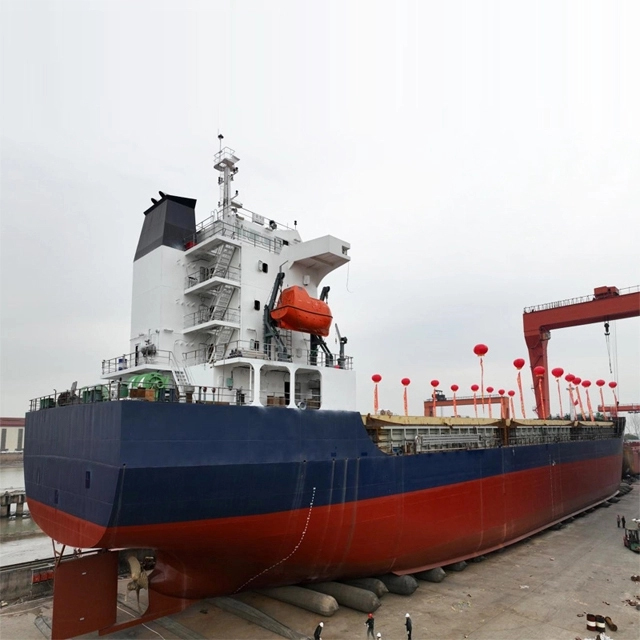
Dockside testing is an absolute necessity before the vessel ever leaves the shipyard. Harbor Acceptance Trials (HAT) form the foundation of the entire testing protocol. You cannot safely take a complex maritime asset into open water without first proving its core systems function while securely moored. HAT eliminates variables. It allows engineers to isolate mechanical faults without the added complications of sea states, currents, or navigational hazards. We use this time to verify that all piping systems are tight, electrical panels are properly grounded, and automation sensors read accurately.
During HAT, engineers conduct exhaustive static checks. They verify main engine alignments using laser measurement tools to prevent shaft vibration underway. They perform megger testing on all electrical cables to ensure insulation integrity, checking for any grounds that could cause electrical fires. Generators undergo rigorous load testing using external load banks. Technicians step the load from 25% up to 110% to prove the auxiliary engines can handle maximum electrical demands without tripping offline. Technicians also complete static system calibrations for pumps, compressors, and hydraulic power units. Every valve, sensor, and alarm undergoes point-to-point verification. We check the bearing clearances on the main shaft and inspect the stern tube seals for any signs of premature leakage.
Open-water clearance requires strict verification of safety system operation. Surveyors mandate exhaustive testing of all emergency equipment during HAT. They test the fixed firefighting systems, ensuring CO2 or water mist alarms trigger correctly and the release mechanisms function without binding. Watertight doors must close within specified time limits under both local and remote control from the bridge. We conduct chalk tests and hose tests on all weather deck hatches to verify watertight integrity. Lifesaving appliances, including lifeboat davits and rescue boat cranes, undergo dynamic load testing with dead weights. The vessel cannot cast off lines until the Classification Society confirms these life-critical systems operate perfectly.
The endurance test pushes the vessel's machinery to its absolute limits. Engineers conduct continuous running tests, often lasting 12 to 24 hours depending on the class requirements. They operate the main engines at various load profiles, including 50%, 75%, 90%, and 100% of maximum continuous rating. They also simulate typical voyage profiles to monitor thermal stabilization across the entire engine block.
This phase validates the main engine thermal dynamics. Technicians monitor jacket water temperatures, lube oil pressures, scavenge air pressures, and exhaust gas metrics. They strictly measure fuel consumption against the engine manufacturer's shop test data. This validation is particularly required for high-tonnage assets. Operators of heavy ships like bulk carrier vessel types and oil tanker ship types rely on precise fuel metrics to calculate voyage profitability. Even a minor deviation in fuel efficiency costs millions over the vessel's lifespan. We also monitor the turbocharger RPM and check for any abnormal surging during load changes.
Maneuverability testing proves the vessel can safely navigate congested waterways and evade collisions. The trial captain executes a series of tactical maneuvers mandated by International Maritime Organization (IMO) standards. We record the exact telemetry for each maneuver to build the vessel's official wheelhouse poster.
| Maneuver Type | Execution Method | Data Recorded |
|---|---|---|
| Crash Stop | Engine ordered from full ahead to full astern immediately. | Total stopping distance (track reach) and time to dead in the water. |
| Turning Circles | Helm put hard over (35 degrees) to port and starboard at full speed. | Advance, transfer, and tactical diameter of the turn. |
| Zig-Zag Test | Rudder shifted rapidly between 10° or 20° port and starboard. | Overshoot angles, yaw checking ability, and initial turning time. |
| Spiral Test | Incremental rudder angle changes while monitoring turn rate. | Dynamic stability and course-keeping ability. |
These tests prove the vessel's emergency response capabilities. They validate the steering gear hydraulics, ensuring the pumps can move the massive rudder from hard-over to hard-over within the required 28 seconds.
Modern commercial vessels rely heavily on digital automation. Sea trials verify that these electronic systems function accurately under actual sea conditions. Technicians calibrate radar arrays, ensuring no blind sectors exist and target tracking functions correctly. They integrate the Electronic Chart Display and Information System (ECDIS) with GPS, AIS, and gyrocompass feeds. They test the autopilot's ability to hold a heading in varying sea states, adjusting the yaw and rudder limits.
Automation testing focuses heavily on safety fail-safes. Engineers test unmanned machinery space (UMS) alarms by simulating high temperatures or low pressures on the main engine sensors. They execute a blackout recovery test, known as a dead ship start. The crew must restore main power and propulsion using only emergency generators within a strict time limit, usually under 30 minutes.
Owner's representatives and future crew utilize this phase for familiarization. They assess the bridge layout, helm responsiveness, and operational ergonomics. They ensure the physical placement of controls supports safe, efficient watchkeeping and that alarm panels are visible from the conning position.
Live emergency simulations at sea guarantee crew safety readiness. You cannot assume safety equipment works; you must deploy it under stress. The crew conducts rigorous fire drills, simulating engine room or cargo hold blazes to test the fire pump capacities and hose reach. They execute abandon-ship protocols to verify muster lists and evacuation routes. Engineers simulate a total steering gear failure. The crew must transition to local emergency steering in the aft steering flat and successfully maneuver the vessel using manual hydraulic pumps and direct communication with the bridge.
A vessel behaves differently when empty versus fully loaded. Sea trials use extensive ballast and cargo simulations to test the vessel's stability and verify its draft marks. Surveyors check the operation of the ballast water management system, ensuring pumps achieve their rated capacities and the treatment systems function without fault. We conduct inclining experiments to determine the vessel's exact center of gravity and lightship weight.
Specialized hulls require unique testing protocols. For example, testing LCT cargo vessel types involves specific operational checks. Engineers test the bow ramp winch mechanisms under full load, ensuring the cables and hydraulics can handle the massive weight of the steel ramp. They conduct beaching simulations to verify the reinforced hull can handle groundings without structural deformation. They also test shallow-water maneuverability, which is required for landing craft operations in austere port environments.
Every data point collected during the sea trial translates directly to the vessel's lifetime return on investment. You must map specific trial metrics to operational outcomes. This evaluation determines whether the shipyard delivered the asset you purchased. We use this data to hold the builder accountable to the original specifications.
| Sea Trial Metric | Contractual Requirement | Lifetime Operational Impact |
|---|---|---|
| Fuel Consumption Rate | Specific grams per kWh at design draft | Directly dictates voyage operating expenses and emissions compliance. |
| Maximum Speed | Guaranteed knots at specified engine load | Determines scheduling flexibility and ability to secure lucrative charter contracts. |
| Crash Stop Distance | IMO mandated stopping distance | Reduces collision risk, lowering insurance premiums and liability exposure. |
| Dead Ship Recovery Time | Restore power within 30 minutes | Prevents catastrophic groundings during total power failures in restricted waters. |
| Cargo Gear Load Test | Safe Working Load (SWL) + 10% overload | Ensures rapid port turnarounds and prevents costly cargo handling delays. |
Speed and fuel metrics dictate the commercial viability of the ship. To validate contract speed, the vessel runs measured miles. The captain steers the ship along a precise GPS track in opposite directions. This cancels out the effects of wind and tidal currents. Surveyors calculate the average speed at the design draft.
Simultaneously, engineers measure fuel consumption using calibrated flow meters installed on the main engine supply lines. The shipbuilding contract specifies exact performance guarantees. If the shipyard falls short of the guaranteed speed or exceeds the promised fuel consumption rates, severe financial penalties apply. These liquidated damages compensate the buyer for the lifetime of lost efficiency. We document every drop of fuel burned during these runs to ensure the shipyard cannot dispute the final consumption figures.
Excessive vibration destroys machinery and exhausts crews. During the trial, specialists conduct comprehensive Noise, Vibration, and Harshness (NVH) analysis. They place specialized accelerometers on the main deck, engine foundations, and steering gear. They use decibel meters in crew cabins, the mess room, and the bridge.
This data ensures vibration levels comply with international maritime labor standards. High noise levels violate crew welfare regulations and delay vessel certification. Furthermore, severe vibrations threaten structural integrity. They cause premature metal fatigue, pipe fractures, and weld failures. Catching NVH issues during the trial forces the shipyard to add structural stiffening, modify propeller pitches, or realign machinery before delivery.
Almost all newbuilds will have defects during trials. Expecting a flawless run is unrealistic. The goal is to identify and document every issue. Surveyors and owner's representatives compile these defects into an official trial report, commonly known as the punch list. We walk every deck and inspect every compartment to ensure nothing is missed.
Deficiencies fall into two categories: critical and cosmetic. Critical defects impact safety, class certification, or core performance. Examples include high bearing temperatures, leaking stern tubes, or failing automation alarms. The shipyard must rectify these before the vessel can sail. Cosmetic defects include minor paint blemishes, missing labels, or interior finishing issues. Buyers often accept the vessel with cosmetic defects, provided the shipyard agrees to fix them during the first scheduled drydock or supplies the materials for the crew to repair underway.
Sometimes, a vessel marginally misses a performance metric. For example, the ship might exhibit a 0.2-knot speed deficit at the contracted draft due to slight hull form variations. In these scenarios, buyers and builders negotiate contractual trade-offs. The buyer may invoke liquidated damages, reducing the final payout to the shipyard. Alternatively, they might negotiate extended post-delivery warranties or demand additional spare parts to offset the performance loss. These negotiations require precise sea trial data to justify financial claims. You cannot negotiate effectively without the hard telemetry gathered during the endurance and speed runs.
Once the shipyard resolves critical punch list items and fulfills performance guarantees, the final handover occurs. This marks the legal transition of ownership. The buyer and builder sign the Protocol of Delivery and Acceptance (PDA). The shipyard transfers the title, and the buyer releases the final payment installment. The Classification Society issues interim class certificates, granting the vessel legal permission to commence commercial trading. The crew takes full command of the vessel, and the shipyard personnel disembark.
A shipyard's approach to sea trials reveals their true build quality. You should evaluate a builder's track record before signing a contract. Look for a history of transparent, well-documented sea trials. Shipyards that welcome rigorous third-party testing demonstrate confidence in their engineering. Conversely, builders who attempt to rush trials, restrict access to engine rooms, or obscure data often produce subpar vessels. We review past trial reports from a shipyard to gauge their honesty and technical competence.
When buyers look at commercial vessels for sale, they must integrate trial protocols into their procurement strategy. Do not accept standard, watered-down testing clauses provided by the builder. Evaluate a builder's testing protocols before signing the shipbuilding contract. Specify the exact environmental conditions, load states, and performance penalties in the initial agreement. Strong contractual language forces the shipyard to take the sea trial seriously and prevents them from cutting corners during the final weeks of construction.
A rigorous trial process directly impacts your bottom line. It reduces lifecycle maintenance costs by catching alignment issues and system faults early. It prevents catastrophic early-life failures that cause off-hire time, cargo delays, and reputational damage. Partnering with a reputable custom commercial vessel supplier ensures your asset undergoes the exhaustive testing required to survive decades in harsh marine environments. You pay for quality upfront to avoid massive repair bills during the vessel's operational life.
A: A commercial sea trial usually ranges from 3 to 7 days. The exact timeline depends heavily on the vessel's size, complexity, and the specific requirements of the Classification Society. Complex offshore vessels may require weeks of testing, while standard bulk carriers typically complete their dynamic open-water tests within a few days.
A: Harbor Acceptance Trials (HAT) consist of dockside static tests. Engineers verify system alignments, electrical loads, and safety clearances while the vessel is securely moored. Sea Acceptance Trials (SAT) involve dynamic open-water testing. The crew tests propulsion, maneuverability, and navigation systems under actual marine operating conditions.
A: The shipbuilding contract dictates consumable costs. In most standard agreements, the shipyard pays for all fuel, lubricating oil, and fresh water consumed during the sea trial. Upon successful delivery, the buyer typically purchases the remaining unconsumed bunkers onboard at current market rates.
A: If a vessel fails critical tests, it must return to the shipyard. The builder must perform modifications or repairs at their own expense. After repairs, the vessel undergoes re-testing. Severe, unrectifiable failures that breach core contractual guarantees can trigger cancellation clauses, allowing the buyer to reject the vessel entirely.
A: Yes, but only if the results breach specific legal thresholds defined in the contract. Minor defects require mandatory shipyard rectification, not rejection. A buyer can typically only reject a vessel if it fails to meet critical guarantees, such as severe speed deficits, excessive fuel consumption, or failure to obtain class certification.
A: LCT trials focus heavily on shallow-water capabilities. Engineers conduct specific draft testing, bow ramp winch operation checks, and beaching simulations. Bulk carriers focus more on deep-water endurance, heavy ballast stability, and long-range fuel efficiency metrics.
A: A comprehensive inquiry requires specific operational data. You must provide the desired vessel type, total cargo capacity, required service speed, preferred Classification Society, and a detailed overview of the intended operational profile and trading routes.


