
Views: 0 Author: Site Editor Publish Time: 2026-09-02 Origin: Site


The profitability of maritime logistics hinges on a precise alignment between trade route infrastructure and container vessel dimensions. Overestimating capacity leads to inefficient drafts, wasted fuel, and half-empty holds. Underestimating limits scalability and forces you to leave cargo on the dock. Fleet managers, charterers, and maritime procurement teams must navigate strict physical constraints daily. These include canal locks, tidal port drafts, turning basin diameters, and gantry crane outreach limits. At the same time, operators must maximize Deadweight Tonnage (DWT) and Twenty-foot Equivalent Unit (TEU) capacity to maintain tight margins. This guide breaks down the exact technical specifications of modern container ships. We categorize standard and specialized vessel classes based on real-world operational limits. We also provide a field-tested framework for evaluating shipyard capabilities before you commission new builds or charter existing tonnage.
Standard ISO container dimensions serve as the foundational building blocks for ship design. Naval architects do not design a hull and then figure out how to fit cargo into it. They configure the cargo blocks first and build the steel hull around them. The primary unit of measurement is the Twenty-foot Equivalent Unit (TEU). A standard 20-foot container represents one TEU. A 40-foot container represents two TEUs. Ships carry a specific mix of these units based on the demands of their intended trade route.
Modern logistics require variations beyond the standard boxes. You will frequently see 10-foot containers used for specialized, heavy, or hazardous cargo. Conversely, 45-foot containers accommodate high-volume, lower-weight goods like electronics or apparel. Regardless of length, standardized profiles dictate the external width. All standard ISO containers are exactly 8 feet (2.438 meters) wide. Standard heights sit at 8.5 feet (2.591 meters). High Cube containers reach 9.5 feet (2.896 meters). This height variation directly impacts the vessel's vertical center of gravity. It dictates lashing bridge heights, line-of-sight regulations from the navigation bridge, and maximum stacking limits above the weather deck.
The internal hold of a container ship relies on a system of vertical steel cell guides. These guides allow shore cranes to slide containers into place without manual lashing inside the hold. Because the containers are exactly 2.438 meters wide, the cell guides are spaced with a tolerance of just 25 to 30 millimeters. This tight tolerance prevents cargo shifting during heavy rolling at sea but requires absolute precision during the shipbuilding process.
A ship's physical footprint determines exactly where it can operate. Length Overall (LOA) measures the absolute maximum length of the hull from the tip of the bow to the aftmost point of the stern. LOA dictates berth compatibility at container terminals. It also determines the required diameter for turning basins inside harbors. If a vessel exceeds the turning basin limits, tugboats cannot safely rotate it for departure, rendering the port inaccessible.
Beam refers to the extreme width of the ship. The 2.438-meter container width multiplier strictly dictates beam dimensions. Naval architects calculate the number of container rows across the deck. They add the necessary clearances for cell guides, lashing gaps, and the double-hull ballast tanks. The total beam determines the required shore-crane outreach. If a ship has 24 rows of containers across its weather deck, the destination port must have Super Post-Panamax cranes capable of reaching that far outward.
Draft is the vertical distance between the waterline and the lowest point of the hull (the keel). It dictates which ports the vessel can enter fully laden. We differentiate between design draft (the optimal draft for fuel efficiency) and scantling draft (the absolute maximum draft based on structural strength). Shallow draft ports restrict heavy loading, forcing ships to arrive partially empty. Air draft measures the vertical clearance required to pass under bridges or overhead power lines. When containers are stacked to maximum height, air draft becomes a strict navigational constraint. The Bayonne Bridge in New York previously restricted large vessels from entering Newark until engineers physically elevated the roadway.
Feeder vessels form the backbone of regional distribution networks. They typically feature an LOA between 100 meters and 150 meters. Their operational focus centers on short-sea shipping, coastal routes, and river transits. They transport cargo between smaller regional ports and major deep-water hubs. Their compact dimensions allow them to navigate shallow drafts (often under 10 meters) and tight river bends. Many feeder vessels utilize onboard cranes to service ports lacking dedicated container terminals, providing unmatched operational flexibility in developing regions.
The Panamax class was historically defined by the strict physical limits of the original Panama Canal locks. These vessels have a maximum length of 294.13 meters. Their beam is restricted to 32.31 meters. Their draft cannot exceed 12.04 meters in Tropical Fresh Water. For decades, this specific footprint was the gold standard for global transoceanic trade.
Post-Panamax vessels broke these constraints. Shipowners realized that expanding the beam improved vessel stability and drastically increased cargo capacity. These wider designs (often reaching 40 to 43 meters in beam) required specialized port cranes with extended outreach. Because they could no longer transit the original Panama Canal, operators forced them onto alternative transoceanic routes or relied entirely on the Suez Canal for East-West trade.
The multi-billion-dollar expansion of the Panama Canal introduced the Neopanamax class. The new locks accommodate significantly larger dimensions. Neopanamax vessels reach up to 366 meters (1,200 feet) in LOA. Their beam extends to 51.25 meters, allowing for up to 20 rows of containers across the deck. Their maximum draft sits at 15.2 meters. This class currently dominates the transpacific trade routes. It offers an optimal balance between massive payload capacity and route flexibility, allowing direct shipments from Asia to the US East Coast.
ULCVs represent the absolute pinnacle of maritime engineering. Their dimensions routinely exceed 366 meters, often reaching up to 400 meters (1,312 feet). They carry 24,000 or more containers. Deck stacks frequently reach 24 tiers high. To maintain line-of-sight regulations, naval architects use a twin-island design, moving the navigation bridge forward and keeping the engine casing and exhaust funnel aft.
Operating ULCVs requires highly specialized, massive infrastructure. They demand deep-water ports with minimal tidal restrictions and drafts exceeding 16 meters. Terminals must deploy Super Post-Panamax cranes capable of reaching across 24 rows of containers. The sheer volume of cargo discharged from a single ULCV requires massive yard space and rapid intermodal rail connections to prevent immediate port congestion.
| Vessel Class | TEU Capacity | Typical LOA (meters) | Typical Beam (meters) | Max Draft (meters) | Primary Use Case |
|---|---|---|---|---|---|
| Feeder | Up to 3,000 | 100 - 150 | 18 - 25 | 8.0 - 10.0 | Coastal / Hub-and-Spoke |
| Panamax | 3,000 - 5,000 | Up to 294.13 | 32.31 | 12.04 | Original Panama Canal Transit |
| Post-Panamax | 5,000 - 10,000 | 280 - 320 | 40 - 43 | 13.0 - 14.5 | Transoceanic / Suez Routes |
| Neopanamax | 10,000 - 14,500 | Up to 366 | Up to 51.25 | 15.20 | Expanded Panama Canal Transit |
| ULCV | 14,500 - 24,000+ | 366 - 400 | 58 - 61.5 | 16.0 - 16.5 | Asia-Europe Deep Water Hubs |
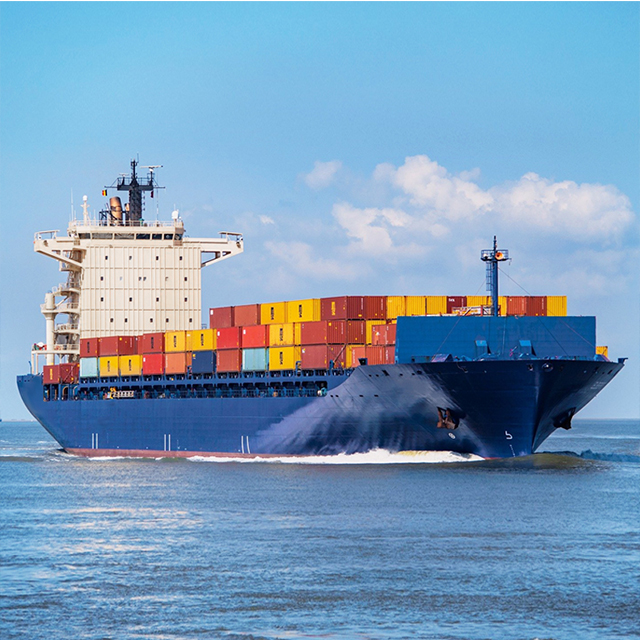
Standard cellular vessels rely entirely on port infrastructure for cargo operations. A 5000 ton self unloading container vessel operates independently. This configuration is ideal for short-sea, inter-island, or coastal routes with minimal port infrastructure. These vessels bypass the need for expensive shore-side gantry cranes.
The technical focus centers on automated deck systems. These vessels feature specialized gantry systems mounted directly on deck rails, allowing the crane to travel the entire length of the cargo hold. They require shallow draft capabilities to access remote river ports or unimproved concrete quays. The primary advantage is rapid turnaround time. The crew can discharge cargo without relying on local stevedores or waiting for shore-side crane availability. This autonomy reduces port stay durations and mitigates costly delays in underdeveloped regions.
Mid-sized regional trade requires a strict balance between volume and port accessibility. A 10000 ton cargo hold container vessel fits this profile perfectly. It provides enough capacity for profitable runs while maintaining dimensions suitable for secondary ports that cannot handle Neopanamax tonnage.
The technical specifications prioritize optimized cellular hold guides and heavy-duty pontoon hatch covers. These guides ensure rapid loading and secure stowage without extensive manual lashing inside the hold. Naval architects must balance engine space trade-offs during the design phase. They evaluate traditional heavy fuel oil (HFO) systems against modern dual-fuel engines. Dual-fuel systems require larger LNG membrane tanks, which consume internal volume and can reduce overall TEU capacity. Structural reinforcements are critical. The tank top and hatch covers must support high-density cargo and heavy deck stacks, requiring thicker steel plating and reinforced longitudinal framing.
Geared vessels bridge the gap between heavy-lift operations and standard container transport. A 20000 ton crane container vessel services developing markets, military logistics, or secondary ports lacking shore-side gantry cranes.
The technical focus involves deck-mounted heavy-lift pedestal cranes. These cranes typically offer a Safe Working Load (SWL) of 30 to 40 tons, sufficient to lift a fully loaded 40-foot container at maximum outreach. Installing these cranes requires massive structural deck reinforcement. The crane pedestals transfer extreme dynamic loads to the hull during lifting operations, requiring thick insert plates and direct tie-ins to the ship's transverse bulkheads. Shipowners face a trade-off. The physical footprint of the cranes and their required swing radius reduces the available deck space for container stacking. However, the self-sufficiency gained allows the vessel to command premium charter rates in under-equipped regions.
You cannot finalize vessel specifications without mapping them directly against your intended trade routes. Evaluate infrastructure constraints rigorously before committing to a hull design.
Hull dimensions directly impact propulsion efficiency and environmental compliance. Wider beams increase water resistance. This requires more engine power to maintain service speeds. However, a wider beam improves stability. Better stability reduces the need for heavy ballast water, which can offset the resistance penalty and increase actual cargo deadweight.
You must evaluate how dimensions affect the Energy Efficiency Design Index (EEDI) and the Carbon Intensity Indicator (CII). Regulatory bodies mandate strict emissions reductions. Optimizing the hull form, bow design, and propeller configuration is essential. Modern container vessel technical specifications now frequently include air lubrication systems, bulbous bow retrofits optimized for slow steaming, or wind-assisted propulsion to improve CII ratings and maintain compliance.
Choosing between geared and gearless vessels involves complex financial modeling and route analysis.
| Feature | Geared Container Vessels | Gearless Container Vessels |
|---|---|---|
| Capital Expenditure (CapEx) | Higher initial cost due to crane procurement and structural deck reinforcement. | Lower initial cost. Standardized hull design without pedestal reinforcements. |
| Payload Capacity | Reduced TEU capacity. Cranes consume deck space and add deadweight. | Maximum TEU capacity. Entire weather deck is available for container stacking. |
| Maintenance Costs | High. Hydraulic systems, wire ropes, and slewing bearings degrade rapidly in salt air. | Low. Minimal deck machinery requires servicing. |
| Operational Flexibility | High. Can load and discharge at any port, regardless of shore infrastructure. | Low. Entirely dependent on the reliability and availability of terminal gantry cranes. |
Sourcing new tonnage requires strict due diligence. When evaluating a China container vessel supplier, prioritize shipyard track records and physical infrastructure. Verify their compliance with the International Association of Classification Societies (IACS). IACS members, such as DNV, ABS, or Lloyd's Register, enforce rigorous construction standards and oversee the entire build process.
Assess the shipyard's physical capabilities. Do they possess drydocks large enough to handle your specific LOA and beam requirements? Evaluate their steel-cutting technology and welding automation. Shipyards utilizing CNC plasma cutting and automated panel lines produce higher quality hull blocks with tighter tolerances than those relying on manual welding. Understand the delivery timeline. A standard build progresses from conceptual design to tank testing, keel laying, block assembly, and finally sea trials. Delays in hydrodynamic tank testing or block assembly will push back the delivery date significantly.
Precision is mandatory when initiating the procurement process. Vague requests yield inaccurate pricing and lead to costly change orders. When you prepare to request container vessel quotation, include comprehensive technical data in your Request for Proposal (RFP).
Specify the required DWT and exact TEU capacity. Detail your allowances for 45-foot containers and High Cubes. State the required reefer plug count. Refrigerated containers draw heavy electrical loads, requiring larger auxiliary generators and upgraded switchboards. Specify your preferred main engine type and manufacturer. If you require LNG dual-fuel capabilities or methanol readiness, state this clearly. Define your specific operational drafts and required service speed.
Include a Maker's List in your RFP. This list dictates the approved manufacturers for critical components like pumps, purifiers, navigation radars, and ballast water treatment systems. Navigating the shipbuilding contract requires legal and technical expertise. Negotiate payment terms tied to verifiable construction milestones, such as steel cutting, keel laying, and launching. Secure robust refund guarantees from top-tier banks to protect your capital. Define the warranty periods for the hull, main engine, and auxiliary systems.
A: TEU capacity measures the maximum number of 20-foot containers a ship can physically fit on board. Deadweight Tonnage (DWT) measures the actual weight the ship can safely carry. This includes cargo, fuel, fresh water, ballast, and crew. A ship might have physical space for 10,000 TEUs but could exceed its structural DWT limit if operators load all containers with heavy industrial goods.
A: The 2.438-meter container width acts as a strict multiplier for the vessel's beam. Naval architects calculate the beam by multiplying this width by the desired number of container rows. They then add necessary clearances for steel cell guides, lashing gaps, and the double-hull structure. This ensures containers fit perfectly into the cargo holds without wasting internal volume.
A: The maximum draft for a Neopanamax container vessel is 15.2 meters (49.9 feet) in Tropical Fresh Water (TFW). This specific dimension aligns perfectly with the expanded locks of the Panama Canal and Lake Gatun. Operating at this maximum draft requires precise route planning, as many secondary ports lack the dredged deep-water channels necessary to accommodate it safely.
A: Yes, geared vessels remain highly cost-effective for specific regional routes. While major global hubs utilize automated shore cranes, many secondary ports and developing regions lack this heavy infrastructure. Geared vessels equipped with onboard heavy-lift cranes can service these profitable niche markets. The higher maintenance costs of the cranes are offset by the ability to access under-equipped ports and command premium charter rates.
A: You must provide the required TEU capacity, Deadweight Tonnage (DWT), and exact Length Overall (LOA) and beam limits. Additionally, specify the number of reefer plugs, preferred propulsion system (such as dual-fuel LNG or methanol), maximum operational draft, and whether you require onboard cranes. You should also define your preferred classification society and the intended operational route.
A: ULCVs manage extreme structural stress through advanced naval architecture and material science. Builders utilize high-tensile steel in critical areas such as the sheer strake and upper deck plating. Naval architects design specialized torsion boxes along the upper hull to prevent twisting in heavy seas. Advanced loading computers also distribute cargo weight evenly to prevent hull sagging or hogging.


