
- All
- Product Name
- Product Keyword
- Product Model
- Product Summary
- Product Description
- Multi Field Search
Views: 0 Author: Site Editor Publish Time: 2026-09-06 Origin: Site


Global port congestion forces logistics operators to rethink route planning. Regionalized supply chains demand agile solutions. Short-sea shipping and hub-and-spoke models now dominate intra-Asia, Mediterranean, and Baltic trade lanes. Deploying ultra-large container vessels on these short routes creates massive operational inefficiencies. Operators face exorbitant port dues, severe draft restrictions, and heavily underutilized cargo capacity. The operational math fails when massive ships operate outside their intended transoceanic environments. This analysis compares the operational realities of deploying a dedicated small container vessel against forcing mainline ships into regional schedules. We evaluate draft limits, cargo handling requirements, and financial viability to determine the optimal tonnage for short-haul maritime logistics. Understanding these dynamics allows fleet managers to match vessel capabilities directly to regional trade demands.
Capacity parameters dictate vessel classification and operational deployment. Standard feeder ships carry up to 3,000 TEU. Micro-feeders handle between 200 and 800 TEU. Shipyards design these specific container vessel ship types for coastal navigation, archipelago transit, and inland waterways. They form the backbone of the modern hub-and-spoke logistics model. Mother vessels discharge massive cargo volumes at major deep-water hubs like Singapore, Busan, or Rotterdam. Feeders then distribute this cargo to smaller regional ports that cannot accommodate massive drafts.
Their structural advantages are undeniable in restricted waters. Shallower drafts allow access to secondary ports without waiting for high tide windows. High maneuverability, often aided by advanced bow thrusters, reduces reliance on expensive tugboat services. Optimized deck layouts facilitate rapid intermodal transfer directly to truck-size containers. This agility ensures that regional supply chains remain fluid, even when major hub terminals experience severe congestion. We see this daily in Southeast Asia, where micro-feeders navigate river systems to reach inland manufacturing zones directly.
Large vessels range from 10,000 to over 24,000 TEU. Their sheer scale is staggering. A fully loaded 24,000 TEU ship carries enough containers to stretch nearly 90 miles if lined up end-to-end. These floating giants dominate the Asia-Europe and Transpacific trade lanes. They leverage massive economies of scale to move cargo across oceans efficiently. However, this massive scale creates severe diminishing returns on short regional routes.
Large ships spend disproportionate amounts of time in port relative to time at sea when deployed on short-sea schedules. Short hops mean constant loading and discharging operations. This requires deep-water berths, massive shore-side gantry cranes, and expensive pilotage services at every stop. The operational drag destroys schedule reliability. Maneuvering a 400-meter vessel through congested coastal shipping lanes increases the risk of delays. It requires complex navigational planning that smaller ships easily bypass. You cannot simply drop a ULCV into a regional loop and expect it to perform efficiently.
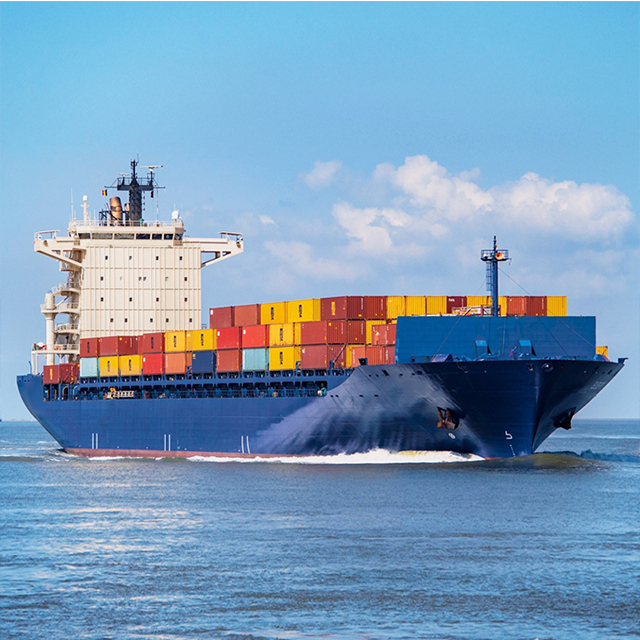
Draft limits absolutely dictate vessel selection in maritime logistics. A typical feeder ship requires an 8 to 10-meter draft. A fully laden ultra-large vessel demands 15 meters or more. Secondary regional ports lack the continuous dredging budgets required to accommodate deep-draft vessels. Attempting to force large ships into these ports results in costly delays waiting for tidal shifts or dangerous grounding incidents.
Berth length presents another hard physical constraint. A 400-meter mainline vessel physically cannot dock at a 150-meter regional pier. Turning basins in smaller ports severely restrict maneuverability. It becomes impossible for large ships to rotate without extensive tugboat assistance. Fleet operators must audit the physical infrastructure of every port on a proposed route. Selecting vessels that operate comfortably within these constraints ensures consistent schedule execution. It eliminates infrastructure-related delays. We always measure the turning basin diameter against the vessel's length overall (LOA) before approving a new port call.
Short routes often involve underdeveloped ports lacking modern shore-side gantry cranes. In these environments, onboard cargo gear becomes mandatory. Geared vessels operate autonomously. They load and discharge their own holds without relying on terminal infrastructure. While a massive 20000 ton crane container vessel offers substantial self-sustaining capacity for mid-range routes, smaller geared ships provide the ultimate operational flexibility for remote coastal trade.
Onboard cranes expand the accessible port network exponentially. Operators bypass terminal congestion by utilizing secondary berths or multi-purpose docks. This self-sufficiency protects schedules from shore-side equipment breakdowns or labor shortages. When evaluating geared tonnage, operators must carefully match the crane's Safe Working Load (SWL) and maximum outreach to the intended cargo profile. You must ensure the vessel can handle fully loaded heavy containers at maximum deck width. A 45-ton SWL crane is standard for handling fully laden 40-foot containers at maximum outreach.
Port turnaround time dictates route profitability. Unloading thousands of TEUs from a mother vessel requires multi-day port stays. Complex stowage plans slow down gantry crane operations. Terminal operators must shift containers multiple times to access specific cargo blocks. Conversely, smaller vessels execute rapid turnarounds. Their simplified deck layouts prioritize direct access to specific container blocks, minimizing unproductive restows.
This speed facilitates high-frequency, just-in-time delivery schedules. Regional manufacturers rely on this predictable frequency to minimize warehouse inventory and maintain lean production lines. A feeder vessel can often enter a port, discharge its regional cargo, load exports, and depart within a single operational shift. This velocity maximizes the vessel's earning potential. It keeps the ship at sea moving freight, rather than tied up at a berth incurring harbor fees.
| Operational Metric | Small Container Vessel (Feeder) | Large Container Ship (Mainline) |
|---|---|---|
| Typical Draft | 8 to 10 meters | 15+ meters |
| Port Accessibility | High (Secondary & River Ports) | Low (Deep-water Hubs Only) |
| Turnaround Time | Hours (Rapid discharge) | Days (Complex stowage) |
| Cargo Handling | Often Geared (Self-sustaining) | Gearless (Requires Shore Cranes) |
| Ideal Route Length | Under 1,500 nautical miles | Transoceanic (3,000+ nautical miles) |
| Fuel Efficiency at Low Speed | High (Medium-speed engines) | Low (Two-stroke engines suffer carbon buildup) |
| Port Dues Impact | Minimal (Low Gross Tonnage) | Severe (High Gross Tonnage penalties) |
Niche regional routes demand highly specialized tonnage. Deploying a 5000 ton custom container vessel prioritizes schedule frequency over maximum TEU capacity. Low-volume ports simply cannot generate enough cargo to fill a large ship. Waiting at the berth for cargo to accumulate destroys schedule integrity. It frustrates shippers who demand rapid transit times.
Custom builds offer critical regional modifications that standard designs lack. Shipyards add ice-class reinforcements for vessels operating in the Baltic Sea during winter months. They install high-capacity reefer plugs and upgraded generator sets for routes dominating in perishable agricultural exports. Shallow draft modifications allow navigation far up inland river systems. This connects deep interior manufacturing hubs directly to the global supply chain without intermediate truck or rail transfers. We frequently specify flat-bottom hull designs for river-sea vessels to maximize deadweight capacity while maintaining a minimal draft profile.
Mid-range tonnage bridges the operational gap between micro-feeders and massive mainline vessels. A 10000 ton cargo hold container vessel balances respectable scale with necessary operational flexibility. It handles higher cargo volumes while maintaining access to moderately restricted regional ports. This size class dominates intra-regional trade lanes where cargo density is high, but port infrastructure remains a limiting factor.
Operating larger holds on short, multi-stop itineraries complicates stowage planning. Planners must sequence containers perfectly to prevent discharging delays at intermediate ports. Crews must manage ballast water meticulously. Frequent partial discharges alter the vessel's center of gravity rapidly. Advanced ballast water management systems become critical to maintain stability. They also ensure compliance with strict environmental discharge regulations across different regional jurisdictions. A poorly planned stowage sequence on a multi-port regional loop will easily add 12 to 24 hours of unnecessary port time.
Vessel acquisition costs scale exponentially with size, but daily running costs dictate long-term route viability. Crew wages, complex maintenance schedules, and massive insurance premiums run significantly higher on large ships. Port dues inflict the heaviest financial penalty on short routes. Port authorities calculate harbor fees, pilotage, and tug requirements based on a vessel's Gross Tonnage.
Large ships pay massive premiums for every single port call. On short-sea routes characterized by frequent stops, these cumulative fees obliterate profit margins. A feeder vessel incurs a fraction of these costs per port call. Over an annual operating cycle, the savings in port dues alone often justify the deployment of smaller tonnage on regional loops. This holds true regardless of the theoretical economies of scale offered by larger ships. We track port disbursements closely, and a 15,000 TEU vessel calling a regional port can easily incur fees ten times higher than a 2,000 TEU feeder.
Massive two-stroke marine diesel engines achieve peak thermal efficiency at continuous high loads during long ocean crossings. Short routes force these massive engines into low-load operations. Running large engines at slow speeds causes severe carbon buildup. It increases maintenance requirements and results in terrible fuel efficiency. The engine simply operates outside its optimal power curve.
Smaller engines match the operational profile of short-sea shipping perfectly. They reach optimal operating temperatures quickly and maintain efficiency during shorter transits. Compliance with the Energy Efficiency Design Index and the Carbon Intensity Indicator regulations heavily favors right-sized vessels. Operating a massive ship inefficiently on a short route results in poor carbon ratings. This potentially forces operators to reduce speeds further or face regulatory penalties. We specify medium-speed four-stroke engines for regional feeders because they handle frequent load changes much better than slow-speed two-stroke variants.
Industry consensus often assumes that larger ships always deliver a lower cost-per-TEU. This metric only holds true mathematically when the vessel operates at or near full capacity. Empty slots destroy economies of scale. Deploying a 15,000 TEU ship on a regional route generating only 2,000 TEU of demand results in catastrophic financial losses. The vessel burns massive amounts of fuel simply pushing empty air and heavy steel through the water.
Smaller ships maintain high utilization rates consistently. A 1,000 TEU vessel operating at 95% capacity generates superior profit margins compared to a 10,000 TEU vessel operating at 10% capacity on the exact same route. Fleet managers must base tonnage decisions on realistic regional cargo demand forecasts, not theoretical maximum capacities. You cannot bank on phantom cargo to subsidize the operating costs of an oversized vessel.
Sourcing specialized tonnage requires rigorous vetting and technical due diligence. When evaluating a China container vessel supplier, operators must scrutinize the shipyard's historical track record. Verify their specific experience with feeder vessels and custom structural modifications. A yard that excels at building bulk carriers may lack the engineering precision required for complex container cell guides and reefer power distribution systems.
Demand strict adherence to International Association of Classification Societies standards throughout the build process. Review steel cutting schedules, block assembly sequences, and delivery timelines meticulously. Mitigate risks regarding intellectual property, warranty enforcement, and post-delivery technical support through ironclad contracts. Ensure independent marine surveyors conduct regular inspections at key construction milestones. They must verify weld quality, coating application, and system integration before the vessel leaves the drydock.
Integrating new specialized tonnage disrupts existing fleet operations. Geared vessels require specialized crew training. Crane operators must hold specific certifications to handle heavy lifts safely. This becomes critical in challenging weather conditions or ports with significant swell. Maintenance schedules expand to include hydraulic crane systems, advanced bow thrusters, and custom reefer plants.
Fleet managers must align the new vessel's maintenance intervals with existing drydock schedules to minimize operational downtime. Sourcing spare parts for custom machinery requires updating inventory management systems. Crews transitioning from gearless mainline vessels to geared feeders must adapt to faster operational tempos. More frequent port maneuvers require strict adjustments to rest hour compliance tracking. We implement dedicated familiarization programs for chief engineers taking over geared vessels to ensure they understand the hydraulic load demands.
Procurement begins with a highly detailed Request for Quotation. To get container vessel price quote accuracy, operators must define exact technical specifications. Detail the required TEU capacity, deadweight tonnage, draft limits, and crane Safe Working Load. Specify the required engine tier for emissions compliance and the preferred classification society.
Look beyond the baseline shipyard build cost. Identify hidden expenses that impact comprehensive lifecycle costs. Demand itemized estimates for commissioning fees, mandatory spare parts inventory, and crew familiarization training. Include the cost of the delivery voyage from the shipyard to the intended operational region. A transparent quote prevents budget overruns during the final outfitting phase. We always mandate a detailed makers list in the RFQ to ensure the shipyard uses reputable suppliers for critical components like purifiers and compressors.
A: A feeder vessel is a small to mid-sized ship, typically ranging from 200 to 3,000 TEU. Shipyards design them to transport cargo between smaller regional ports and major deep-water hub terminals. They feed containers to larger mainline vessels for transoceanic voyages, acting as the critical link in the hub-and-spoke logistics model.
A: Large ships require deep drafts and massive port infrastructure. On short routes, they spend too much time in port loading and discharging relative to sailing time. High port dues, expensive pilotage, and low capacity utilization destroy their profitability on regional loops.
A: Geared vessels are not mandatory everywhere, but they are highly recommended for routes involving underdeveloped or congested ports. Onboard cranes allow the vessel to load and unload autonomously. This bypasses the need for shore-side gantry cranes and ensures strict schedule reliability.
A: Port authorities calculate harbor fees, pilotage, and tug costs based on a vessel's Gross Tonnage. Large ships pay massive premiums per port call. On short routes with frequent stops, these cumulative fees quickly erase profit margins, making smaller vessels far more economical.
A: The hub-and-spoke model is a logistics network where massive mother vessels transport cargo between major global hubs. Smaller feeder vessels then distribute that cargo from the hubs to various smaller regional ports. This system optimizes efficiency across the entire maritime supply chain.
A: Building a custom feeder vessel typically takes between 18 to 24 months from contract signing to final delivery. This timeline includes design approval, steel cutting, block assembly, launching, outfitting, and rigorous sea trials to ensure compliance with classification society standards.


