
- All
- Product Name
- Product Keyword
- Product Model
- Product Summary
- Product Description
- Multi Field Search
Views: 0 Author: Site Editor Publish Time: 2026-09-11 Origin: Site


Expanding a commercial fleet requires operators to balance immediate operational capacity against long-term capital efficiency and stringent maritime regulations. The decision to commission a new build or acquire a secondhand vessel involves complex, high-stakes trade-offs. You must weigh upfront Capital Expenditure (CAPEX), ongoing Operating Expenditure (OPEX), environmental compliance, and deployment timelines. Evaluating a new ship vs used ship demands a rigorous technical framework. This guide provides an evaluation structure for commercial operators. It helps you assess whether a new or used vessel aligns with your specific route requirements, cargo profiles, and financial models. We will break down the mechanical realities of aging hulls versus the lead times of modern shipyards, giving you the exact parameters needed to make a profitable fleet expansion decision.
Define the urgency of deployment before reviewing any vessel specifications. Immediate contract fulfillment contrasts sharply with a long-term fleet modernization strategy. If you secure a lucrative charter contract starting next month, waiting for a shipyard is impossible. You must source existing tonnage immediately to meet the charterer's laycan (laydays and cancelling date). Missing a laycan window results in canceled contracts and severe reputational damage. Conversely, if you are replacing aging assets over a five-year horizon, construction timelines become highly manageable. Analyze current charter rates closely across spot and time charter markets. High charter markets often justify immediate secondhand acquisitions. When daily rates peak, the rapid revenue generated by an older vessel can offset its higher operating costs and eventual retrofitting needs. Delivery timelines directly impact potential revenue generation. A delay in market entry means lost capital, while early deployment captures peak seasonal demand. You must calculate the opportunity cost of waiting for a new hull versus the immediate cash flow of an existing asset.
Establish baseline financial metrics early in the procurement cycle. You will navigate the inverse relationship between CAPEX and OPEX. New builds demand high CAPEX but deliver exceptionally low OPEX during their first decade. Aging vessels require low CAPEX but consume high OPEX through increased fuel burn, frequent component failures, and extended maintenance periods. Factor in dry-docking frequency. Older vessels undergo more rigorous and frequent inspections, particularly after passing their third Special Survey at the 15-year mark. During these surveys, class societies demand extensive ultrasonic thickness measurements of the hull plating. Maintenance reserves must increase as steel thins, pipework corrodes, and machinery wears down. Calculate the financial value of operational peace of mind. Unplanned off-hire days destroy profit margins and damage relationships with charterers. Modern machinery runs reliably, keeping the asset earning continuously. You must model these expenses over a 10-year operational window to see the true financial impact.
Evaluate the impact of the Energy Efficiency eXisting ship Index (EEXI) on any older tonnage. Assess your Carbon Intensity Indicator (CII) ratings, which grade vessels from A to E based on operational efficiency. Environmental regulations reshape fleet strategies daily. Tonnage thresholds dictate varying safety regulations under SOLAS and MARPOL conventions. Older vessels face a significantly heavier compliance burden. Assess the risk of stranded assets carefully. If a used vessel cannot be economically retrofitted for future emissions standards, it becomes a liability. You might acquire cheap tonnage today only to be forced to scrap it prematurely tomorrow when it fails to meet regional emissions trading schemes. Port state control officers target older vessels for detailed inspections. Deficiencies lead to detentions, which immediately halt your revenue stream.
| Evaluation Metric | New Build Vessel | Used Vessel (Secondhand) |
|---|---|---|
| Deployment Timeline | 18 to 36 months depending on yard capacity and block assembly schedules | Immediate to 3 months following handover and flag registration |
| Initial CAPEX | Substantial upfront investment required via milestone installments | Significantly lower acquisition cost paid upon delivery |
| Regulatory Compliance | Meets all current and pending IMO standards out of the yard | May require expensive retrofitting (BWTS, scrubbers) for compliance |
| Operational OPEX | Low (efficient engines, minimal maintenance, intact coatings) | High (frequent repairs, higher fuel burn, steel renewal) |
| Asset Lifespan | 20 to 25+ years of economic viability before recycling | 5 to 15 years remaining depending on age and previous maintenance |
Exact specification alignment drives maximum operational efficiency. You tailor Deadweight Tonnage (DWT), draft limits, and cargo handling gear to specific operational routes and port constraints. If your trade route involves shallow river drafts, you dictate the exact scantlings to maximize cargo intake without grounding. Integration of modern propulsion systems lowers fuel consumption drastically compared to legacy engines. Hydrodynamic hull designs, optimized through computational fluid dynamics, reduce drag significantly. You can ensure alternative fuel readiness, preparing the vessel for LNG, methanol, or ammonia integration. Crew welfare impacts retention directly in a competitive labor market. Integration of Maritime Labour Convention (MLC) compliant crew accommodations attracts top maritime talent. Noise and vibration reduction minimizes crew fatigue. Advanced bridge automation enhances navigational safety in congested waterways. You gain an extended operational lifespan exceeding two decades. Comprehensive shipyard warranties protect your early cash flow from unexpected mechanical failures. You also secure a higher residual value at the end of the depreciation cycle.
Construction projects carry inherent exposure that requires active management. You face potential shipyard delays due to labor shortages or technical challenges during block assembly. Steel price fluctuations can alter final costs if contracts lack strict fixed-price clauses. Supply chain bottlenecks often delay critical components like main engines, specialized ballast pumps, or navigation electronics. Higher upfront financing requirements strain corporate liquidity. The cost of capital during the construction phase matters immensely. Pre-delivery installments tie up funds long before the asset generates its first dollar of revenue. You must monitor construction quality continuously through dedicated site teams. These teams verify that the yard adheres to approved drawings, inspect welding seams, and oversee the application of marine coatings. Poor oversight during the build phase leads to latent defects that only appear years after delivery.
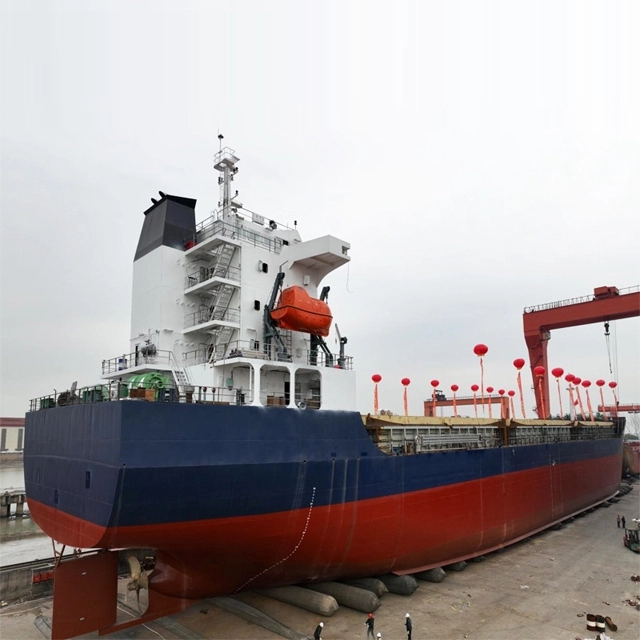
Immediate availability solves urgent logistical problems for fleet operators. You can fulfill urgent cargo contracts instantly without waiting years for construction. Sudden market opportunities require fast action to capture premium freight rates. Browsing commercial vessels for sale allows rapid fleet expansion. Lower initial purchase prices require less upfront capital. This potentially eases short-term financing hurdles with conservative lenders. Strategic capital allocation becomes possible across your organization. Lower acquisition costs free up funds for immediate fleet upgrades. You can invest in specialized cargo gear or build robust operational cash reserves. You also benefit from a proven operational history. Known performance metrics guide your deployment strategy, subject to rigorous log verification and sea trial data. You can review past fuel consumption records to model your exact voyage expenses before committing to the purchase.
Secondhand tonnage hides expensive secrets beneath fresh paint. Unforeseen structural fatigue plagues older hulls, particularly in high-stress areas like the midship section. Extensive steel renewal requirements often emerge during routine dry-dock inspections. Deferred maintenance by previous owners shifts massive repair costs onto your balance sheet. Costly mandatory retrofits drain capital rapidly. Installing Ballast Water Treatment Systems (BWTS) requires significant shipyard time and complex pipework modifications. Energy-saving devices and scrubber installations are often necessary to maintain class certification and commercial viability. You face a shorter remaining economic lifespan before the vessel must be recycled. Accelerated depreciation impacts your corporate balance sheet negatively. Reliance on outdated bridge electronics increases navigational risks and requires eventual, expensive replacement. You must hire independent marine surveyors to conduct thorough pre-purchase inspections, focusing heavily on the condition of the double bottom tanks and main engine crankcase.
Landing Craft Tanks endure brutal operational profiles due to their core function. When evaluating used LCT cargo vessel types, expect a high risk of bottom plating wear. Frequent beaching operations on unimproved shores grind away hull thickness rapidly. Ramp hinge fatigue is a constant threat requiring ultrasonic testing. Previous operators may have overloaded the deck, causing micro-fractures in the framing. The hydraulic systems operating the bow ramp often suffer from saltwater ingress and neglected maintenance. Conversely, commissioning a new LCT provides distinct operational advantages. You gain the ability to specify exact draft requirements for your specific shallow-water island routes. You can demand heavily reinforced hull plating for rocky shores. Customized deck load capacities ensure safe heavy machinery transport without compromising stability. You can also specify the exact winch capacities needed for your specific anchoring and beaching maneuvers.
Dry bulk transport demands absolute watertight integrity to protect sensitive cargoes. Used bulk carrier vessel types require meticulous pre-purchase surveys. You face the necessity of inspecting cargo hold coatings closely. Corrosive cargoes like sulfur or salt degrade these protective layers rapidly, leading to severe steel loss on the bulkheads. Hatch cover watertightness is critical to prevent cargo spoilage and stability loss. You must test the rubber packings and securing cleats rigorously. Grab damage from previous aggressive stevedoring operations weakens hold structures and hopper tanks. New bulkers offer a fundamentally different reality. You have the opportunity to integrate optimized loading and unloading systems. Eco-designs significantly reduce daily fuel consumption on long-haul routes. Modern hull forms maximize cargo intake while minimizing hydrodynamic resistance. You can specify high-grade epoxy coatings in the holds to extend the life of the steel and reduce turnaround times during hold cleaning.
Liquid bulk transport operates under intense regulatory and commercial scrutiny. Used oil tanker ship types encounter severe challenges with stringent Ship Inspection Report Programme (SIRE) vetting. Older vessels often face outright rejection by major oil companies due to age restrictions or minor structural defects. Charterers demand pristine safety records and modern equipment. The cargo pumping systems on older tankers often suffer from worn seals and reduced discharge rates, extending port stays. New tankers eliminate these commercial barriers entirely. They guarantee compliance with the latest double-hull requirements and structural fatigue standards. Advanced inert gas systems protect against explosive atmospheres reliably. You achieve maximum charterability in a highly risk-averse sector, ensuring continuous employment for the asset. You also benefit from modern cargo control rooms that automate valve operations, reducing the risk of spills during loading and discharging operations.
Capital acquisition dictates the pace of fleet growth. Compare loan-to-value (LTV) ratios offered by maritime banks carefully. Lenders offer highly favorable terms and longer repayment profiles for new builds due to their extended asset life. Interest rates for older tonnage often reflect higher risk profiles and shorter amortization periods. Banks view aging ships as depreciating collateral with high environmental liability risks. Analyze Hull and Machinery (H&M) insurance premium differences. Protection and Indemnity (P&I) clubs assess vessel age, safety features, and historical claims rigorously. Older ships attract substantially higher premiums due to increased mechanical failure risks and potential pollution liabilities. Modern safety systems on new builds actively reduce these recurring insurance costs. You must factor these monthly premium differences into your operational budget when comparing the two options.
Your construction partner defines the project's ultimate success. Evaluate how partnering with a reputable China commercial vessel supplier changes the financial equation. Experienced yards reduce new build CAPEX through highly efficient supply chains and economies of scale. They achieve this without sacrificing International Association of Classification Societies (IACS) standards. Assess the long-term value of comprehensive shipyard warranties. Predictable maintenance schedules stabilize your OPEX during the critical early years of operation. Post-delivery technical support ensures smooth initial operations and rapid troubleshooting. A strong shipyard relationship mitigates the traditional risks of new construction. They provide dedicated project managers who communicate progress transparently, allowing you to plan your crew deployment and charter contracts with confidence.
Vague requests generate inaccurate estimates and waste time. You must list mandatory data points required for a reliable baseline quote. Specify the Length Overall (LOA), breadth, and Deadweight Tonnage (DWT). Define the required operational speed, main engine preferences, and maximum draft restrictions for your intended ports. Select your preferred classification society early in the process, as their rules dictate structural scantlings. Providing detailed operational profiles ensures the yard understands your exact needs. When you request a custom vessel price quote, technical precision is your best tool for budget control. Include details about the intended cargo, required deck strength, and any specific flag state regulations you must meet. The more data you provide upfront, the tighter the yard can calculate their steel weight and labor hours.
Establish a strict framework for comparing quotes from competing yards. Look far beyond the initial sticker price to understand the true value. Evaluate payment milestones carefully. Heavy front-loaded payments strain your cash flow unnecessarily. Standard maritime contracts usually follow a milestone structure: signing, steel cutting, keel laying, launching, and delivery. Scrutinize the maker's lists attached to the specification. The brands chosen for the main engine, high-tech electronics, ballast pumps, and auxiliary equipment dictate future reliability. Cheaper initial components lead inevitably to expensive future breakdowns and off-hire time. Review penalty clauses for delayed delivery. Ensure the yard carries financial responsibility if they miss critical handover dates. A robust contract protects your interests and ensures the yard remains motivated to deliver the vessel on schedule.
A: The financial difference varies drastically based on vessel type, age, and market conditions. Generally, a 10-to-15-year-old secondhand vessel requires significantly lower initial capital than a new build. However, the new build provides lower daily operating costs, better fuel efficiency, and reduced maintenance expenses over its lifespan.
A: Construction timelines typically range from 18 to 36 months. This depends on the vessel's complexity, the shipyard's current order book, and the availability of major components like the main engine. Standardized designs are built faster than highly customized specialized vessels.
A: Many older vessels require modifications to comply with current IMO regulations like EEXI and CII. Operators often must install Engine Power Limitations (EPL) or energy-saving devices. Without retrofitting, older vessels may face operational restrictions or poor efficiency ratings.
A: Critical inspection points include cargo hold coatings, the structural integrity of hopper tanks, and hatch cover watertightness. Surveyors must also check for grab damage on the tank tops and assess the condition of the ballast tanks for severe corrosion.
A: Yes, reputable Chinese shipyards build vessels strictly to the standards of International Association of Classification Societies (IACS) members, such as ABS, DNV, or Lloyd's Register. The chosen classification society oversees the entire construction process to ensure compliance.
A: You must provide the required Deadweight Tonnage (DWT), Length Overall (LOA), draft restrictions, operational speed, intended cargo type, and preferred classification society. Detailed operational profiles and specific equipment preferences help the shipyard generate a highly accurate proposal.


