
Views: 0 Author: Site Editor Publish Time: 2026-09-08 Origin: Site


Acquiring commercial maritime tonnage represents a massive capital expenditure. Overlooking minor structural or mechanical defects often results in extended off-hire time, heavy drydocking fees, and strict regulatory penalties. Buyers face the challenge of balancing immediate acquisition costs against long-term operational viability. You must navigate complex variables like port infrastructure limitations, emerging environmental regulations, and specific cargo route demands. Finding a reliable container vessel for sale requires rigorous due diligence and technical verification. This guide provides a strict evaluation framework for assessing commercial tonnage. We cover structural integrity, mechanical reliability, compliance verification, and supplier vetting. You will learn how to assess hull fatigue, verify IMO mandates, and structure a handover protocol to ensure a commercially sound acquisition.
Matching vessel dimensions with intended trade routes dictates where a ship can physically operate. Length overall (LOA), beam, and draft form the hard limits of your operational profile. For example, Panama Canal transit requirements demand specific beam limits and draft clearances, while the Suez Canal imposes its own gross tonnage rules. Shallow draft ports restrict fully laden deep-sea vessels from entering safely, forcing operators to lighter cargo or wait for high tides. You must evaluate port infrastructure before finalizing any selection. Shore-based gantry cranes handle gearless ships efficiently at major hubs, offering rapid turnaround times. Underdeveloped ports require onboard cargo handling equipment to discharge freight. Ignoring these physical constraints leads to immediate operational bottlenecks, port congestion surcharges, and lost charter opportunities.
| Route Profile | Draft Limitations | Crane Infrastructure | Ideal Vessel Type |
|---|---|---|---|
| Major Hub-to-Hub (e.g., Shanghai to Rotterdam) | Deep water (15m+) | High-speed shore gantry cranes | Ultra-Large Gearless |
| Regional Feeder (e.g., Singapore to Jakarta) | Moderate (10m - 12m) | Mixed shore and mobile cranes | Mid-Size Gearless or Geared |
| Coastal / Island Hopping | Shallow (under 8m) | Minimal to none | Small Geared / Self-Unloading |
The global fleet spectrum ranges widely based on trade demands. Small 300 TEU regional feeders serve short coastal hops and river networks. Ultra-large vessels exceeding 24,000 TEU dominate major East-West intercontinental trades. Projected trade volumes must align perfectly with vessel capacity. TEU (Twenty-foot Equivalent Unit) capacity differs significantly from Deadweight Tonnage (DWT). Buyers must evaluate cargo intake at a specific homogenous container weight. A common industry benchmark is 14 tons per TEU. High DWT does not always equal high TEU intake if stability limits are breached early. Routes with high perishable cargo volumes require sufficient reefer plug capacity. You must also verify the onboard power generation capabilities to support these power-hungry refrigerated units continuously.
To accurately assess capacity, buyers should follow a strict evaluation sequence:
Failing to calculate the homogenous load intake often leaves operators with a vessel that reaches its maximum draft long before all container slots are filled. This dead space destroys voyage profitability.
Gearless vessels offer clear operational advantages for major hub-to-hub routes. They require much lower maintenance overhead because there are no complex deck cranes to service. Removing heavy lifting gear increases available TEU capacity and improves line-of-sight navigation from the bridge. Major ports possess rapid shore-based gantry cranes to handle these ships seamlessly. Conversely, some routes service underdeveloped ports lacking modern shore infrastructure. Here, a 20000 ton crane container vessel becomes an absolute necessity. Onboard hydraulic or electric cranes allow autonomous loading and discharging. However, buyers must account for the strict maintenance overhead. You will need to budget for regular wire rope replacements, hydraulic block overhauls, and mandatory annual load testing of these heavy-lift systems. Crane breakdowns during cargo operations cause immediate port delays and stevedore standby charges.
Feeder vessels form the critical backbone of regional distribution networks. They prioritize maneuverability, shallow drafts, and rapid turnaround times. These ships navigate congested coastal waters and access smaller river ports that ocean-going giants cannot reach. They often feature powerful bow and stern thrusters to berth without tug assistance, saving thousands in port fees per call. Specialized coastal trades often require highly niche tonnage. A 5000 ton self unloading container vessel fits island-hopping routes perfectly. These ships operate where port infrastructure remains minimal or non-existent. They reduce reliance on local stevedoring equipment, ensuring schedules remain intact despite poor port facilities. The self-unloading capability allows operators to discharge cargo directly onto barges or unimproved quays.
Mid-size vessels balance economies of scale with high operational flexibility. A 10000 ton cargo hold container vessel can enter secondary ports easily while carrying substantial cargo. It carries enough volume to remain highly profitable on regional loops without suffering the draft restrictions of larger ships. Structural differences exist in mid-size hold designs. The arrangement of cell guides must accommodate specific container dimensions tightly. Lashing bridges provide secure anchor points for deck cargo, preventing container loss during heavy weather transits. When evaluating mid-size tonnage, inspect the ballast water capacity. These ships frequently load and discharge multiple times along a single coast, requiring rapid ballasting operations to maintain stability and trim during fast port turnarounds.
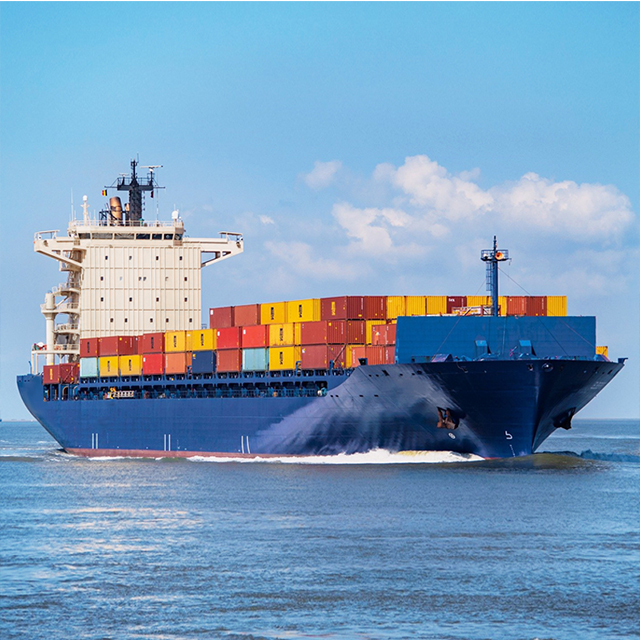
Evaluating container vessels for sale requires deep structural analysis. You must review Ultrasonic Thickness Measurement (UTM) reports thoroughly. These reports identify steel wastage accurately across the entire hull. Focus heavily on the splash zone, wind-and-water line, and double bottom ballast tanks. Container ships suffer from specific stress concentration areas due to their open-deck design. Hatch corners experience immense torsional stress during heavy weather pitching and rolling. The transition zones between cargo holds and the engine room are also highly vulnerable to fatigue cracking. Inspect the cargo hold flooring, technically known as tank tops. Look for severe indentations, major dents, or structural rust. Previous heavy cargo operations or repeated container drops cause this localized damage, requiring expensive steel renewal before the vessel can pass its next special survey. Check the condition of epoxy coatings and sacrificial anodes to gauge the effectiveness of the vessel's corrosion protection system.
Hatch covers remain a primary source of cargo damage claims in maritime shipping. Water ingress ruins valuable freight quickly, leading to massive insurance liabilities. You must conduct ultrasonic weather-tightness testing during the inspection. Sherlog testing is the recognized industry standard for this verification. Check the structural integrity of the steel pontoons for warping or heavy corrosion. Inspect the condition of rubber packing and steel compression bars along the coaming. Verify the functionality of all cleats, wedges, and securing devices. Worn rubber seals or grooved compression bars require immediate replacement before the vessel commences trading.
| Hatch Cover Component | Inspection Focus | Failure Consequence |
|---|---|---|
| Rubber Packing Seals | Check for hardening, cracking, or permanent compression. | Water ingress during heavy weather. |
| Steel Compression Bars | Look for grooving, rust scale, or uneven surfaces. | Tears the rubber seals, destroying weather-tightness. |
| Cleats and Wedges | Verify proper tension and lack of mechanical seizing. | Hatch covers shift during transit, causing structural damage. |
| Drainage Channels | Ensure non-return valves are clear of debris and rust. | Trapped water overflows the coaming into the cargo hold. |
Cell guides keep containers stacked securely within the holds without manual lashing. Inspect these vertical steel guides for deformation, grooving, or cracking. Damaged guides cause containers to jam during loading operations. This leads to costly port delays and potential damage to the cargo boxes. Verify the alignment tolerances for corner castings at the base of the holds. Ensure all loose lashing gear is fully accounted for onboard. Twistlocks, turnbuckles, and lashing rods must be classed and certified. They must be free of severe rust, mechanical seizing, or thread damage. Missing lashing gear forces operators to purchase expensive replacements at the first port of call to secure deck cargo legally.
The main engine dictates the vessel's reliability and daily operating costs. You need a strict framework for evaluating running hours on all major components, especially for two-stroke crosshead engines. Check the turbocharger overhaul history against the original manufacturer recommendations. Analyze the specific fuel oil consumption (SFOC) data closely. High fuel consumption destroys route profitability instantly. Require the review of recent lube oil analysis reports. High sodium levels indicate cooling water leaks, while high metal particles highlight internal engine wear before catastrophic failure. Check crankshaft deflection readings carefully to ensure proper main bearing alignment. Assess the condition of the stern tube seals to prevent oil leaks into the ocean. Finally, inspect the propeller blades for cavitation damage, which reduces propulsion efficiency and increases fuel burn.
Environmental regulations now dictate asset viability and global market access. The Energy Efficiency Existing Ship Index (EEXI) measures the fundamental design efficiency of the hull and machinery. The Carbon Intensity Indicator (CII) tracks operational emissions annually based on fuel consumption and distance traveled. These ratings dictate the vessel's legal ability to trade internationally. Poor ratings severely depress future market value and limit chartering options. Non-compliant vessels require immediate mitigation strategies to remain legal. Engine Power Limitation (EPL) physically restricts maximum fuel burn by capping engine output. Shaft Power Limitation (SHaPoLi) achieves similar regulatory compliance through torque monitoring. Both methods directly impact operational speed, forcing vessels into slow-steaming profiles that affect schedule reliability.
Untreated ballast water transfers invasive marine species globally, devastating local ecosystems. You must verify the installation of a Ballast Water Management System (BWMS). It must be type-approved to comply with the IMO BWM Convention. Check its operational status, maintenance logs, and whether it uses UV irradiation or electro-chlorination. Verify that filter backflushing mechanisms operate smoothly and sensor calibrations are up to date. Emissions control is equally critical for global compliance. Evaluate the presence of exhaust gas cleaning systems, commonly called scrubbers. Scrubbers allow the vessel to burn cheaper high-sulphur fuel. If scrubbers are absent, verify the vessel's capability to operate smoothly on Very Low Sulphur Fuel Oil (VLSFO). This ensures strict compliance with IMO 2020 sulphur caps without damaging fuel pumps or injectors.
Financial modeling drives the final acquisition decision. Buying older tonnage offers lower capital expenditure (CAPEX) upfront. However, it brings significantly higher maintenance costs and higher fuel consumption. Newer, eco-designed vessels demand a massive premium in upfront CAPEX. They offset this initial shock with significantly lower operational expenditure (OPEX) over their lifespan. The vessel's age impacts several critical financial metrics. Older ships face higher insurance premiums due to increased structural risks. Financing rates often increase for vessels nearing the end of their 25-year design life. The frequency of mandatory special surveys also accelerates as ships age, requiring more frequent and expensive drydocking periods.
| Vessel Age Bracket | Initial CAPEX | Fuel Efficiency (OPEX) | Maintenance Frequency | Insurance & Financing Rates |
|---|---|---|---|---|
| 0 - 5 Years (Eco-Design) | Very High | Excellent (Low Fuel Burn) | Low (Routine only) | Favorable / Lowest Rates |
| 10 - 15 Years (Mid-Life) | Moderate | Average (May require EPL) | Moderate (Component wear) | Standard Rates |
| 20+ Years (End of Life) | Low | Poor (High Fuel Burn) | High (Frequent steel renewal) | High Premiums / Difficult Financing |
Conduct a thorough class record review prior to any physical inspection. This desktop exercise reveals hidden risks and historical damage. Look for outstanding Conditions of Class (CoC) or Memoranda issued by the classification society. These indicate deferred maintenance or temporary repairs that you will inherit upon purchase. Verify the vessel's drydocking cycle accurately. Understand the exact scope of work completed during the last special survey. Missing drydock reports or incomplete maintenance logs are a major red flag. They suggest poor vessel management and guarantee unexpected mechanical failures shortly after delivery. Reviewing the continuous machinery survey (CMS) status ensures that all major engine components have been inspected within the required five-year cycle.
Sourcing tonnage globally requires strict supplier and shipyard vetting. When evaluating a China container vessel supplier, review their historical track record extensively. Assess their specific experience with the exact vessel classes you intend to purchase. Ensure strict adherence to IACS (International Association of Classification Societies) construction standards. Review the warranty terms provided for new builds or major retrofits. Verify the supplier's financial stability thoroughly to ensure they will remain operational throughout the warranty period. You must confirm their ability to provide long-term spare parts support and technical assistance post-delivery. Request references from previous buyers to validate the shipyard's build quality and adherence to delivery schedules.
Never rely solely on seller-provided documentation or broker descriptions. Hire an independent, specialized marine surveyor immediately. They must conduct a comprehensive Pre-Purchase Condition Survey (PPCS) on your behalf. This survey forms the baseline for your final price negotiation. Sea trials validate the vessel's actual performance against the provided specifications. Test the maximum continuous rating (MCR) to ensure engine health and cooling system efficiency. Check steering gear responsiveness under heavy load at maximum speed. Verify emergency system functionality, including the emergency generator, fire pumps, and quick-closing fuel valves. Run the onboard cranes through a full cycle to confirm hydraulic pressure stability and braking efficiency.
The vessel delivery process requires strict legal frameworks to protect your capital. Use standard industry forms like SALEFORM to draft the MOA. Ensure all inspection records, drawings, and manuals transfer formally to the buyer. The Continuous Synopsis Record (CSR) and historical maintenance invoices must be handed over intact. Execute a strict final handover checklist before releasing funds. Sign the Protocol of Delivery and Acceptance only after physical verification of the vessel's condition. Verify the onboard inventory of spare parts and bunkers against the agreed contractual list. Confirm the official transfer of all class certificates and registry documents. Any discrepancies found during the handover must be documented and financially compensated before the final signature.
A: TEU stands for Twenty-foot Equivalent Unit, measuring volumetric cargo capacity. DWT means Deadweight Tonnage, measuring the total weight a ship can safely carry, including cargo, fuel, and crew. Buyers must balance both to ensure the vessel can carry its maximum TEU at a realistic homogenous weight without breaching stability limits.
A: Hatch covers prevent water ingress into the cargo holds. Defective seals or damaged steel pontoons lead directly to severe cargo damage. Ultrasonic weather-tightness testing is mandatory before purchase to verify their integrity, prevent future insurance claims, and avoid costly steel renewals.
A: The Carbon Intensity Indicator (CII) grades a vessel's operational emissions from A to E. Ships rated D or E face regulatory pressure to improve efficiency. Poor ratings reduce the vessel's trading flexibility, lower its charter appeal, and significantly depreciate its resale value.
A: A PPCS is an independent inspection conducted by a qualified marine surveyor on behalf of the buyer. It assesses the structural, mechanical, and operational health of the vessel. The resulting report highlights defects, wear, and deferred maintenance, forming the basis for price negotiations.
A: No. Gearless vessels rely entirely on shore-based gantry cranes, making them lighter and more efficient for major hub routes. Geared vessels have onboard cranes, which are essential for trading in underdeveloped ports that lack dedicated container handling infrastructure.
A: The Memorandum of Agreement (MOA) outlines the strict terms of sale. It must include the purchase price, deposit details, inspection rights, delivery location, and a precise inventory of included spare parts. It also dictates the handover of statutory certificates and class records.


