
Views: 0 Author: Site Editor Publish Time: 2025-12-13 Origin: Site


In the world of maritime transport, the ability to efficiently and cost-effectively transport heavy cargo is a critical consideration, particularly in areas where shallow waters pose a challenge. Traditional shipping methods may not always be suitable for such conditions, which is where LCT (Landing Craft Tank) barges come into play. These specialized vessels offer a range of advantages, particularly when it comes to transporting heavy cargo in shallow waters. In this article, we’ll explore why LCT barges are ideal for such transportation needs, focusing on their cost-effectiveness, operational efficiency, and unique design features that set them apart from traditional vessels.
Before we dive into why LCT barges are particularly well-suited for heavy cargo transport in shallow waters, it’s important to understand what sets these barges apart from traditional vessels.
LCT barges (Landing Craft Tank barges) were originally designed for military operations, intended to transport heavy equipment, tanks, and vehicles directly onto shore. Their design features a ramp at the front, which allows them to unload cargo directly onto land without requiring cranes or docks. This design innovation makes LCT barges highly versatile, enabling them to operate in areas with minimal port infrastructure, such as remote or undeveloped regions. The ability to unload cargo directly onto land without the need for specialized equipment makes them highly efficient in delivering goods to locations where other vessels would face significant challenges.
One of the key advantages of LCT barges is their ability to operate in shallow waters. They are specifically engineered with a flat bottom and a strong hull, which allow them to carry substantial loads in areas where the water is too shallow for other types of vessels. This design is especially beneficial in regions with shallow harbors, where larger vessels with deeper drafts cannot safely navigate. LCT barges are ideal for locations with limited infrastructure, offering a practical solution for transporting heavy cargo to places that would otherwise be inaccessible by traditional vessels.
While traditional barges can also carry cargo, they generally require deeper waters to navigate safely. In shallow harbors, traditional barges often need to dock at ports with sufficient water depth, which can be both costly and time-consuming. In contrast, LCT barges can bypass these limitations, providing a more cost-effective and efficient solution for heavy cargo transport in shallow waters.
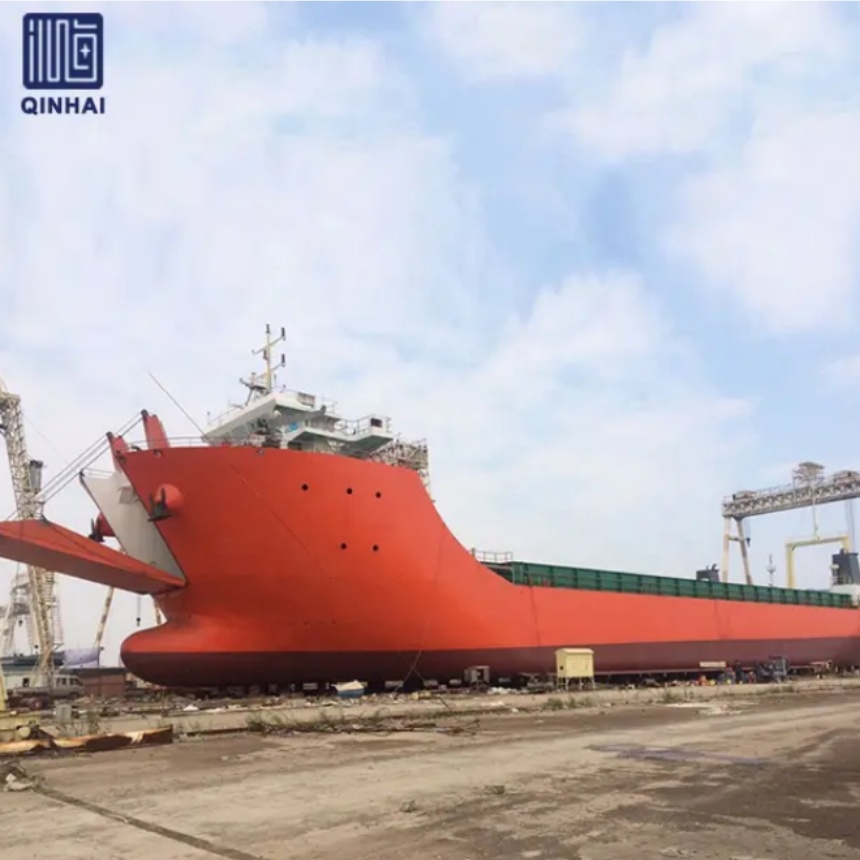
When considering the cost-effectiveness of transporting heavy cargo, the LCT barge offers several key advantages, particularly in shallow waters where infrastructure may be limited.
Reduced Infrastructure Requirements: Traditional barges require extensive port infrastructure, including cranes, piers, and deep water docks, to load and unload cargo. This can significantly increase the cost of transportation, particularly in remote areas or regions with limited port facilities. LCT barges, on the other hand, are designed to bypass the need for heavy infrastructure. The ramp feature allows cargo to be directly unloaded onto land, which reduces the need for expensive port facilities and makes the operation more cost-efficient.
Minimizing Port Fees and Delays: The ability of LCT barges to operate without the need for specialized port equipment or deep-water docking can help minimize port fees and reduce delays associated with loading and unloading. In contrast, traditional barges may experience longer turnaround times as they rely on the availability of cranes and other port services. This added time can result in increased operational costs, especially if the cargo needs to be moved quickly.
Fuel Efficiency and Operational Savings: LCT barges are designed for shallow water operations, which means they can navigate areas with less water depth, thereby reducing the need for longer routes or detours. This increased efficiency leads to savings in fuel consumption, making them a more cost-effective option for transporting heavy cargo. In contrast, traditional barges may require longer, more fuel-intensive routes to access deeper waters where they can dock and unload.
Flexibility in Operating Locations: The versatility of LCT barges means they can operate in a wide range of environments, from isolated islands to shallow riverbanks. This flexibility can significantly reduce the cost of accessing difficult-to-reach areas where traditional barges may not be able to operate. For industries that require transportation to remote or underserved regions, the LCT barge offers a more cost-effective solution.
In addition to cost savings, LCT barges offer superior operational efficiency, particularly when it comes to heavy cargo transport. Their design features and ability to operate in shallow waters make them a highly effective solution for ensuring that goods are delivered on time while minimizing operational downtime.
One of the most significant operational advantages of LCT barges is their ability to land directly on shore. Unlike traditional barges, which require cranes or other loading equipment to unload cargo, LCT barges are equipped with a ramp that allows them to drive directly onto the shore and unload cargo quickly. This streamlined unloading process eliminates the need for waiting times associated with crane operations, reducing the overall time required for loading and unloading. Faster unloading times translate into quicker turnaround times, allowing businesses to operate more efficiently and get goods to their destination faster.
In comparison, traditional barges are often subject to delays caused by equipment availability or port congestion. The need for specialized cranes or other unloading equipment can slow down the process, especially if there are multiple vessels waiting for access to the same dock. LCT barges eliminate this challenge by removing the dependency on port equipment, making the loading and unloading process faster and more efficient.
Traditional barges rely heavily on port facilities to load and unload cargo, and these facilities can be costly and limited in availability, particularly in regions with underdeveloped infrastructure. LCT barges, on the other hand, can operate independently of port facilities, giving them greater flexibility and allowing them to be deployed more quickly in areas with limited or no port access. This ability to bypass port constraints allows for faster deployment, ensuring that heavy cargo is delivered without the delays associated with waiting for access to docking infrastructure.
For industries with strict timelines and urgent shipping requirements, the ability to reduce dependency on port facilities is crucial. LCT barges provide businesses with a more agile and responsive shipping solution, allowing them to get goods to their destination faster and more efficiently.
The reduced dependency on cranes, docks, and other port infrastructure also leads to fewer delays and greater overall productivity. Traditional barges can be delayed if there is a shortage of cranes or loading equipment, or if port facilities are congested. These delays can be costly, particularly in industries where timely delivery is essential to the success of the operation.
The advantages of LCT barges in transporting heavy cargo in shallow waters have made them increasingly popular in various industries. Below are some real-world applications where LCT barges are particularly beneficial.
Oil and Gas Industry: In remote regions where oil and gas exploration take place, LCT barges are often used to transport heavy equipment and supplies. Their ability to operate in shallow waters without the need for port infrastructure makes them ideal for offshore platforms and oil fields located in areas with limited access to traditional ports.
Construction and Infrastructure Projects: For large-scale construction projects that require heavy materials to be transported to remote or undeveloped locations, LCT barges offer a practical and cost-effective solution. Their direct access to shore allows construction materials to be delivered efficiently, even in areas where infrastructure is not well developed.
Military and Disaster Relief Operations: The versatility of LCT barges makes them ideal for military and disaster relief operations, where quick access to remote or flood-affected areas is essential. Their ability to transport heavy machinery and supplies directly to shore can make a significant difference in emergency response times.
Agriculture and Forestry: In areas where agricultural or forestry operations take place in remote regions, LCT barges provide an efficient way to transport heavy machinery, equipment, and supplies. Their shallow-water capabilities make them ideal for transporting goods in rivers, lakes, and coastal areas where traditional vessels may not be able to reach.
LCT barges are a highly efficient and cost-effective solution for transporting heavy cargo in shallow waters. Their ability to operate in areas with limited infrastructure, combined with reduced dependency on port facilities, makes them an ideal choice for industries that require reliable and flexible transport solutions. The cost savings from reduced port fees, faster turnaround times, and increased operational efficiency make LCT barges a smart choice for businesses looking to optimize their cargo transport operations.
For companies in need of specialized heavy cargo transport in shallow waters, LCT barges provide a versatile, cost-effective, and efficient solution that can significantly improve logistics and reduce operational costs. To learn more about LCT barges and how they can enhance your business operations, feel free to get in touch with Qin Hai Shipping Science and Technology Co., Ltd.


