
Views: 0 Author: Site Editor Publish Time: 2026-09-16 Origin: Site


While 24,000 TEU megaships dominate industry headlines and global trade statistics, the backbone of resilient, regional, and specialized maritime logistics relies heavily on smaller, highly adaptable tonnage. The "bigger is always better" fallacy has led to severe port congestion and cascading supply chain delays. Operators and charterers face diminishing returns when deploying oversized vessels on routes with draft restrictions, underdeveloped port infrastructure, or volatile demand cycles. The challenge is identifying the exact operational threshold where a smaller vessel yields a higher Return on Capital Employed (ROCE).
This guide provides a technical and commercial evaluation framework for determining when to deploy smaller tonnage, analyzing specific vessel classes by capacity and configuration, and outlining the procurement realities of sourcing these assets.
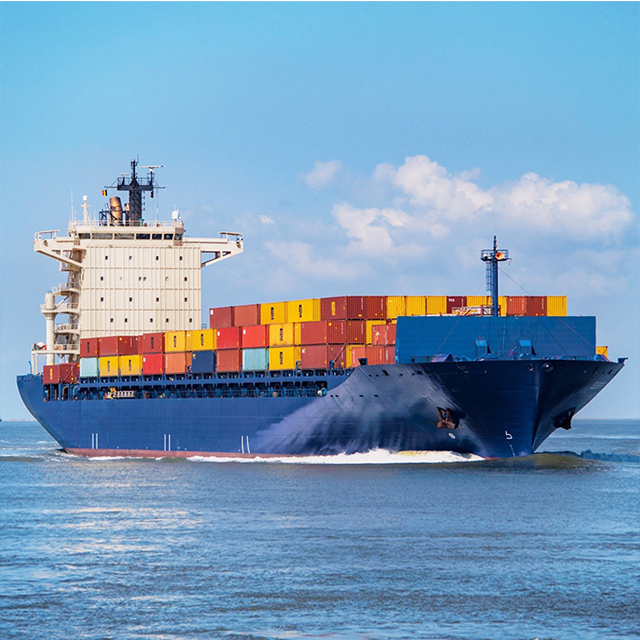
Maritime logistics requires a diverse fleet profile to function efficiently. You cannot service every global port with ultra-large container vessels (ULCVs). A small container ship typically falls into the sub-3,000 TEU category. Industry professionals often refer to these as feeder vessels or specialized short-sea ships. They serve a distinct and irreplaceable function in the global supply chain. These vessels navigate waters and enter facilities strictly off-limits to larger tonnage.
The hub-and-spoke model relies entirely on these smaller assets. Major deep-water transshipment hubs act as central collection points. Megaships discharge tens of thousands of containers at these primary hubs. Feeder vessels then distribute this cargo to secondary and tertiary regional ports. Without this distribution network, regional economies would lose access to global trade. The feeder network ensures cargo reaches destinations lacking 16-meter draft clearances.
Bypassing megaship bottlenecks offers a massive competitive advantage. Ultra-large vessels frequently suffer cascading delays. A delay at one major hub pushes the entire schedule off track. Smaller vessels avoid these cascading delays entirely. They utilize alternative regional ports. They navigate restricted waterways effortlessly. They avoid draft limits imposed by major canals during drought conditions. This agility keeps supply chains moving when primary arteries clog.
Market volatility mitigation represents another core advantage. Global trade experiences seasonal fluctuations and economic downturns. Operating a 20,000 TEU vessel at 40% capacity destroys profitability. Smaller vessels allow operators to maintain service frequency during economic downturns. You can sail a fully loaded feeder ship twice a week rather than waiting a month to fill a megaship. This maintains customer satisfaction without sailing at unprofitable, low-utilization rates.
Operators must also consider the physical limitations of secondary ports. Many regional facilities feature aging infrastructure. Quay walls may not support the displacement forces exerted by a megaship during berthing. Turning basins in river ports restrict the maximum length overall (LOA) a vessel can safely maneuver. Smaller tonnage fits within these hard physical constraints, allowing direct port calls that eliminate the need for costly overland trucking from distant deep-water hubs.
Selecting the right hull and configuration dictates your operational success. Various container vessel ship types serve distinct market segments. You must match the vessel's engineering profile to your intended route. We categorize these options by deadweight tonnage and specific cargo-handling capabilities.
Island-hopping routes and river-sea navigation demand highly specialized tonnage. A 5000 ton custom container vessel fits perfectly into highly restricted shallow-draft ports. Operators use these ships in archipelagos and inland waterway systems. They deliver essential goods to isolated communities and specialized industrial facilities.
Design realities for this class focus heavily on customized hull forms. Naval architects optimize these hulls for specific waterways. They feature specialized ballast systems to manage draft dynamically. You often see compromises in top speed. Builders sacrifice speed to maximize cargo density within restricted length and beam dimensions. A flatter bottom allows navigation in rivers but requires careful stability management at sea.
These vessels frequently employ twin-screw propulsion systems. This configuration provides superior maneuverability in tight river bends without relying entirely on bow thrusters. The cargo holds are often box-shaped to maximize the stowage of standard ISO containers without wasting space in the curvature of the bow or stern.
Standard regional feeder routes require efficiency and speed. The 10000 ton cargo hold container vessel dominates short-sea shipping corridors. You see fleets of these operating across intra-Asia routes, the Mediterranean, and the Caribbean. They form the reliable workhorses of regional trade networks.
Design realities here emphasize rapid turnaround times. Port congestion kills feeder profitability. These vessels feature standardized cell guides. These guides allow rapid mixed stowage of 20-foot and 40-foot containers. Engineering focuses heavily on optimized fuel efficiency. High-frequency, short-duration voyages require engines tuned for frequent maneuvering and varied load profiles. Hatch cover designs prioritize quick removal and stacking.
Operators deploying this class focus on maximizing the intake of high-cube containers. The deck layout and lashing bridges are engineered to support higher stack weights. This allows the vessel to carry lighter, voluminous cargo efficiently. The engine room is typically located aft to maximize the continuous cargo space forward, ensuring uninterrupted cell guide installation.
Many global ports completely lack shore-based infrastructure. A 20000 ton crane container vessel solves this problem directly. These geared vessels service underdeveloped ports. They handle multi-purpose breakbulk and container operations simultaneously. Operators also deploy them for specialized offshore and salvage support missions.
Geared vessels introduce complex design realities. Onboard cranes add significant capital expenditure (CapEx). They also increase maintenance operational expenditure (OpEx). However, they provide total operational independence. This independence commands premium charter rates. Engineering must safely support lifting fully loaded 40-foot containers. This requires active anti-heeling systems. The vessel must maintain strict stability parameters while swinging heavy loads over the side.
The deck cranes on these vessels typically feature a Safe Working Load (SWL) of 40 to 45 tons. They are mounted on heavy pedestals integrated directly into the ship's structural bulkheads. Operating these cranes requires specialized crew training. The hydraulic systems powering the lifting gear demand rigorous preventative maintenance schedules to prevent failures during remote port operations.
Choosing vessel size requires rigorous mathematical and operational analysis. You cannot base fleet procurement on assumptions. Operators must evaluate specific criteria to justify deploying smaller tonnage.
Port infrastructure limitations dictate the hard boundaries of vessel deployment. You must evaluate destination constraints meticulously. Maximum allowable draft determines if a ship will run aground. Turning basin diameters restrict the maximum length overall (LOA). Berth weight limits restrict how much cargo you can discharge at once. Smaller vessels fit where megaships simply cannot physically enter.
Route economics and frequency drive customer satisfaction. Supply chains demand just-in-time delivery. You face a mathematical trade-off. Moving one massive batch bi-weekly saves fuel per TEU. However, moving smaller batches twice a week keeps assembly lines running. High-value cargo requires frequency over sheer volume. Smaller vessels provide the schedule reliability modern logistics networks demand.
Manufacturing accessibility creates distinct CapEx advantages. Smaller container ships are significantly easier to manufacture. This reality opens up bidding to a wider array of shipyards. Increased shipyard competition drives down initial acquisition costs. You avoid the monopolized ULCV shipbuilding market. Shorter build times mean you deploy assets and generate revenue much faster.
CapEx versus OpEx trade-offs require careful modeling. Smaller vessels boast lower initial acquisition costs. They also incur reduced port and canal dues. However, they suffer a higher cost-per-TEU-mile compared to ULCVs on long deep-sea routes. You must deploy smaller vessels on routes where high freight rates or specialized access offset the higher per-unit fuel costs.
Cargo specificity and salvage operations demand specialized small tonnage. Hazardous materials isolation requires dedicated smaller vessels. Dynamic operations like at-sea container recovery require high maneuverability. Megaships cannot perform salvage operations. Smaller vessels provide the agility necessary for complex offshore tasks.
| Evaluation Metric | Ultra-Large Container Vessel (ULCV) | Small Container Vessel (Sub-3,000 TEU) |
|---|---|---|
| Draft Requirements | Exceeds 15 meters; limited to major hubs. | Under 10 meters; accesses regional/river ports. |
| Voyage Frequency | Low frequency; massive batch deliveries. | High frequency; supports just-in-time logistics. |
| Port Infrastructure Needs | Requires massive shore-based gantry cranes. | Can operate independently if geared (cranes). |
| Capital Expenditure (CapEx) | Extremely high; limited shipyard availability. | Lower; highly competitive shipyard bidding. |
| Cost-per-TEU-Mile | Highly efficient on long, deep-sea routes. | Higher, but offset by premium regional freight rates. |
| Maneuverability | Requires multiple tugs for basic berthing. | Highly agile; often berths without tug assistance. |
Procuring a smaller vessel involves strict technical evaluations. You must navigate complex engineering choices and regulatory frameworks. Mistakes during the specification phase haunt operators for the vessel's entire lifespan.
Evaluating engine selection forms the core of technical planning. Smaller hulls present unique space constraints. You must decide between standard Marine Gas Oil (MGO), dual-fuel systems, or LNG-ready designs. Methanol dual-fuel engines are gaining traction in the feeder market. You must balance the physical space required for alternative fuel tanks against lost cargo capacity.
Meeting environmental regulations poses distinct challenges. The Energy Efficiency Design Index (EEDI) and Carbon Intensity Indicator (CII) apply strict emissions limits. Smaller vessels struggle here. They possess less favorable volume-to-surface-area ratios than megaships. Achieving compliance requires optimized hull coatings, derated engines, and advanced hydrodynamic propeller designs. You cannot simply scale down a megaship propulsion system.
Shaft generators offer a practical solution for smaller vessels. By generating electrical power directly from the main engine shaft, operators reduce reliance on auxiliary diesel generators during transit. This lowers overall fuel consumption and improves the vessel's CII rating. However, integrating shaft generators requires precise load management systems to handle the fluctuating power demands of refrigerated containers (reefers).
Geared vessels face severe metacentric height (GM) challenges. Lifting heavy 40-foot containers alters the ship's center of gravity drastically. You must address these unique stability dynamics during the design phase. A crane swinging a 35-ton box over the port side induces massive heeling moments.
Active anti-heeling tank requirements are non-negotiable for geared vessels. High-capacity pumps must transfer ballast water rapidly between port and starboard tanks. This counteracts the crane's load in real-time. Additionally, lashing requirements for smaller vessels operating in rough regional seas differ from deep-sea ships. Smaller vessels experience faster rolling periods. This places higher stress on container twist-locks and lashing rods.
The structural integrity of the hatch covers must also be evaluated. Pontoon-style hatch covers are common on smaller vessels. They must withstand the point loads of stacked containers while maintaining a watertight seal. The lashing bridges must be positioned to allow crew members safe access to secure the cargo, even in adverse weather conditions.
Operators face specific implementation risks during procurement. Over-specifying custom features represents a major danger. You might design a vessel perfect for one specific river port. However, hyper-customization limits the vessel's resale value. It also destroys its charter appeal in the secondary market.
Mitigation requires discipline. Adhere to standardized modular designs even within custom tonnage brackets. Use standard engine makes and common crane models. Ensure the cell guides can accommodate standard ISO containers without specialized adapters. Build flexibility into the asset to ensure long-term commercial viability.
Building a vessel requires selecting the right manufacturing partner. The global shipbuilding market is highly segmented. You must approach procurement strategically to secure favorable terms and ensure build quality.
Evaluating a container vessel manufacturer in China offers distinct advantages. Chinese shipyards dominate the sub-3,000 TEU and custom tonnage markets. They provide unmatched manufacturing efficiency and scalable infrastructure. However, you must apply strict criteria for vetting yards. Assess their track record with specific vessel classes. Verify their tier-one equipment supplier networks for engines and navigation systems. Confirm their financial stability to avoid yard bankruptcies during construction.
Class society compliance ensures your vessel is insurable and legal. Ensure the shipyard works seamlessly with International Association of Classification Societies (IACS) members. DNV, Lloyd's Register, and ABS are standard choices. Class surveyors must approve the design phase. They must oversee steel cutting and keel laying. They must sign off on final sea trials. Never compromise on class society standards.
Contractual frameworks protect your capital investment. Structure solid refund guarantees backed by reputable international banks. Tie milestone payments directly to verified construction progress. Implement strict liquidated damages clauses for delayed delivery. Include performance shortfalls penalties for missed speed or fuel consumption targets. A tight contract prevents cost overruns and delivery nightmares.
Site supervision during construction is mandatory. Do not rely solely on the shipyard's internal quality control. Deploy an independent team of marine engineers and naval architects to the yard. They must inspect welding quality, verify paint application thicknesses, and ensure all piping systems meet the agreed specifications before the vessel is launched.
Small container ships are a strategic necessity for operators prioritizing route flexibility, servicing infrastructure-limited ports, and maintaining high-frequency schedules in an era of megaship congestion. Base the final vessel selection on a rigorous analysis of the intended route's most restrictive chokepoint, whether that is draft, crane availability, or volume consistency.
A: A small container ship generally falls into the sub-3,000 TEU range. Industry professionals classify these as feeder vessels. Deadweight tonnage typically ranges from 5,000 to 20,000 tons. These vessels operate primarily on regional, short-sea, or river-sea routes rather than deep-ocean transcontinental crossings.
A: While ultra-large vessels offer a lower cost-per-TEU on deep-sea routes, they cannot access many global ports. Smaller ships bypass port congestion, navigate shallow-draft regional waterways, and provide the high-frequency voyage schedules required for just-in-time supply chains. They are also faster and easier to manufacture.
A: Geared vessels equipped with heavy-lift cranes are essential for servicing underdeveloped ports lacking shore-based gantry infrastructure. Operators also require them for multi-purpose breakbulk cargo missions, specialized offshore support, and complex maritime salvage operations where self-sustaining cargo handling is mandatory.
A: Lifting a fully loaded 40-foot container requires a vessel with sufficient beam and stability. Even small custom vessels around 5,000 tons can perform this, provided they feature cranes with adequate Safe Working Loads (SWL) and robust active anti-heeling pump systems to maintain metacentric stability during the lift.
A: On a strict cost-per-TEU-mile basis, smaller ships burn more fuel per container than megaships. However, they optimize for different operational metrics. They offer faster port turnarounds, direct access to secondary markets, and route directness, which offsets the higher per-unit fuel costs through premium regional freight rates.
A: Building a custom 5,000-ton vessel typically requires an 18-to-24-month timeline from contract signing to final delivery. This includes design approval, steel cutting, keel laying, outfitting, and sea trials. Smaller vessels generally benefit from significantly shorter lead times compared to ultra-large megaships.
A: Accurate quotations require precise technical inputs. You must provide the required TEU capacity, deadweight tonnage, maximum draft restrictions, service speed requirements, preference for geared or gearless designs, engine type, and your preferred IACS classification society.


