
Views: 0 Author: Site Editor Publish Time: 2026-09-09 Origin: Site


While ultra-large crude carriers dominate global headlines, the final mile of petroleum distribution relies entirely on the operational flexibility of the small oil tanker. Moving refined fuels from major storage terminals directly to regional ports requires vessels engineered for specific navigational constraints. Fleet operators and logistics companies face distinct challenges in matching vessel specifications—such as draft limits, deadweight tonnage, and pumping capacities—to specific regional routes, shallow-water ports, and refined product demands. Overcapitalizing on vessel size leads to severe port access restrictions. Under-sizing limits route profitability and restricts payload capacity. You need exact alignment between hull design and terminal infrastructure. This guide breaks down the primary applications for smaller tankers, compares technical specifications across common tonnage classes, and provides a framework for evaluating custom builds and sourcing manufacturers. By understanding the exact operational boundaries of these vessels, procurement teams can align shipyard orders with their precise logistical requirements.
Defining the operational boundaries of small tankers requires positioning them within the broader Average Freight Rate Assessment (AFRA) scale. General Purpose (GP) tankers generally range from 10,000 to 24,999 Deadweight Tonnage (DWT). Vessels falling below the 10,000 DWT mark serve highly specialized roles. Success in fleet deployment requires understanding exactly where these smaller oil tanker ship types outperform their larger counterparts in the petroleum supply chain. You cannot force a Handysize vessel into a shallow river berth. You must match the hull to the environment.
The structural and operational differences between moving unrefined crude oil and refined petroleum products dictate vessel design. Crude oil transportation requires massive volume to achieve economies of scale. It relies on internal heating coils—often utilizing thermal oil or steam—to maintain the viscosity of heavy crude during transit. Without these heating systems, crude oil solidifies. Discharge operations become impossible. The pumps simply cavitate against the thick sludge.
Refined products like aviation fuel, marine diesel, and gasoline require strict purity standards. Small tankers operate almost exclusively as product tankers or chemical tankers. Shipyards treat their cargo tanks with specialized industrial coatings. Advanced epoxy or zinc silicate prevents cross-contamination between different fuel grades. These coatings also protect the mild steel structure from the corrosive chemical properties of the cargo. Applying these coatings requires extensive surface preparation, often blasting the steel to a SA 2.5 standard before application. These vessels bridge the gap between major refining hubs and local consumer markets. They ensure refined fuels reach end-users without degradation.
Port infrastructure directly dictates maximum allowable vessel size. Pier length, channel depth, turning basin diameters, and air draft create hard physical limits for maritime logistics. Many secondary ports, island nations, and coastal fuel depots lack the deep-water channels required to accommodate vessels exceeding 10,000 DWT. When a vessel enters shallow water, it experiences the squat effect, where hydrodynamic pressure pulls the hull deeper into the water. Small tankers are engineered with specific block coefficients to mitigate this effect and maintain safe under-keel clearance.
Deploying appropriately sized vessels provides a significant operational advantage by bypassing lightering operations. Lightering involves anchoring a massive tanker offshore and transferring its cargo to smaller shuttle vessels. This process introduces weather delays, increases environmental spill risks, and adds substantial operational time. A properly specified small tanker bypasses this bottleneck entirely. It navigates shallow estuarine channels to dock and discharge directly at regional storage terminals.
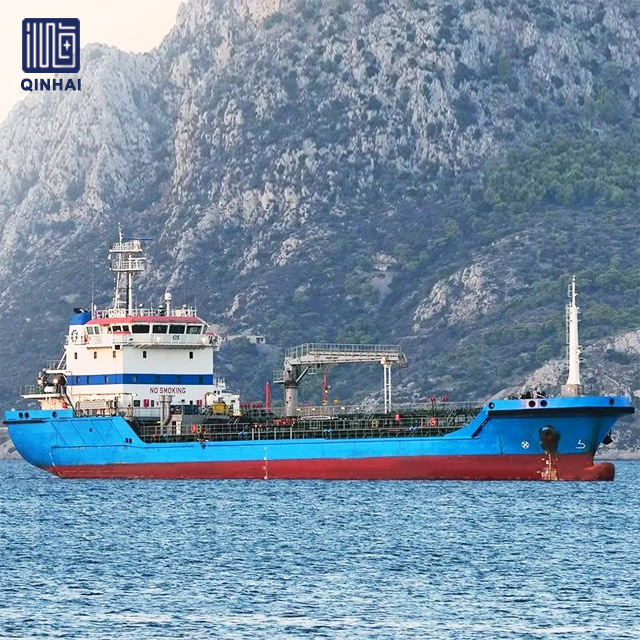
The operational footprint of small tankers spans from localized harbor limits to high-demand transoceanic corridors. Their structural design allows fleet managers to pivot between different logistical profiles based on seasonal fuel demands and regional supply chain shifts.
Coastal and short-sea shipping routes form the backbone of regional energy distribution. Small tankers execute rapid, high-frequency voyages. Marine operators often refer to these as quick runs. Common routes include navigating the dense maritime traffic between the Middle East and India. They also execute inter-island transport across the archipelagos of Southeast Asia. These routes demand high maneuverability. The vessels must dock at austere coastal facilities, often without the aid of harbor tugs.
Many of these vessels maintain full ocean-going certifications. This allows them to participate in high-demand transoceanic routes for specialized refined products. A small tanker might transport highly specific chemical payloads or specialized aviation fuels from European refineries directly to distribution terminals on the U.S. East Coast. The inherent flexibility of an ocean-going small tanker allows fleet operators to chase profitable spot-market contracts across international waters when regional coastal demand fluctuates.
Navigating inland waterways, major river systems, and canal networks requires specific engineering adaptations. Vessels operating in these environments face severe draft restrictions. They also deal with strict air draft limitations due to low-hanging bridges and power lines.
Tankers designed for river navigation feature flat-bottom hull designs. This maximizes cargo volume while minimizing underwater depth. Propulsion systems frequently incorporate azimuth thrusters or specialized shallow-water propellers. These systems maintain steering authority in strong river currents where traditional rudder setups fail. Retractable radar masts and collapsible wheelhouses allow the vessel to navigate beneath low-clearance infrastructure during high-water seasons.
Within harbor limits, small tankers serve as mobile refueling stations. The industry calls them bunker vessels. They supply heavy fuel oil (HFO), marine gas oil (MGO), and alternative marine fuels to larger commercial container ships, bulk carriers, and cruise liners. They perform these operations while the receiving vessels sit at anchor or actively load cargo at the berth.
Ship-to-Ship (STS) transfers require highly specialized deck equipment. Bunker tankers utilize high-capacity cargo pumps and calibrated flow meters for exact custody transfer. Robust vapor recovery systems capture volatile organic compounds displaced during loading. They carry heavy-duty primary and secondary fender systems. Pneumatic Yokohama fenders absorb impact energy and prevent hull damage when mooring alongside much larger vessels in open water.
Mapping specific deadweight tonnage classes to their most profitable operational use cases ensures fleet operators do not over-specify or under-equip their vessels. Capacity directly influences maritime utility.
The 1000 ton small oil tanker represents the workhorse of localized maritime logistics. With a typical fully laden draft ranging between 3 to 4 meters, these vessels effortlessly navigate estuarine ports, river mouths, and congested harbor anchorages.
Primary use cases for this tonnage class include local bunkering operations, short-distance fuel oil delivery to coastal power plants, and maritime waste oil collection. Their compact size allows for exceptional maneuverability. Powerful bow thrusters enable them to navigate tight turning basins without mandatory harbor tug assistance. The cargo manifolds on these vessels align perfectly with the bunker stations of larger commercial ships. They often feature specialized hose handling derricks to speed up the connection process.
Stepping up in capacity, the 3000 DWT oil tanker ship strikes a balance between substantial payload capacity and secondary port accessibility. Operating with a typical draft of 4 to 6 meters, this class transports commercially viable volumes of fuel while accessing ports off-limits to larger Handysize tankers.
A defining feature of the 3000 DWT class is its multi-grade segregation capability. Naval architects design these vessels with multiple independent cargo tanks. Each tank utilizes its own dedicated deep-well pump and segregated piping system. This engineering allows the vessel to transport and discharge multiple grades of refined products—such as marine diesel, unleaded gasoline, and jet fuel—during a single voyage. There is zero risk of cross-contamination. This multi-grade flexibility dominates regional distribution networks.
For complex logistical operations, the 5000 DWT custom oil tanker with crane provides dual-purpose utility. Integrating heavy-duty deck cranes transforms a standard product tanker into a vital asset for offshore support and remote infrastructure supply.
Deck cranes handle heavy cargo hoses during offshore loading. They transfer palletized supplies and move specialized equipment onto offshore oil rigs and production platforms. In remote island supply chains where shore-based unloading infrastructure does not exist, the onboard crane allows the vessel to independently discharge drums, equipment, and hoses directly onto austere piers. This self-sustaining capability makes the 5000 DWT crane-equipped tanker indispensable for offshore energy exploration and remote coastal development projects.
| Vessel Class | Typical Draft | Primary Operational Route | Key Technical Features |
|---|---|---|---|
| 1000 Ton | 3.0 - 4.0 Meters | Harbor Limits, Inland Rivers | High maneuverability, bunker masts, shallow flat-bottom hull. |
| 3000 DWT | 4.0 - 6.0 Meters | Coastal, Short-Sea Shipping | Multi-grade segregation, deep-well pumps, epoxy tank coatings. |
| 5000 DWT | 5.5 - 7.0 Meters | Offshore Support, Transoceanic | Deck cranes, dynamic positioning capabilities, heavy weather fendering. |
Procuring maritime assets requires deciding between purchasing second-hand tonnage on the spot market or commissioning a new build from a recognized shipyard. New builds provide exact technical alignment with specific route requirements and guarantee compliance with the latest environmental regulations.
Asian shipyards currently dominate the small-to-medium tanker market due to advanced block-construction techniques and robust steel supply chains. When evaluating an oil tanker manufacturer in China, procurement teams must enforce strict vetting criteria.
The primary indicator of shipyard quality is its standing with the International Association of Classification Societies (IACS). Members such as the American Bureau of Shipping (ABS), Lloyd's Register (LR), or Det Norske Veritas (DNV) provide independent verification that the vessel's structural integrity meets global standards.
Follow these steps when vetting a shipyard:
Shipyards offer standard, pre-engineered hull designs that reduce construction time. However, operational requirements often demand highly customized builds. Fleet operators must analyze the trade-offs between accepting a standard design and integrating specialized modifications.
Customizations such as advanced phenolic epoxy coatings for aggressive chemicals, specialized thermal oil cargo heating systems for heavy fuels, or structural deck reinforcements for heavy-lift crane integrations add to the construction timeline. These specific modifications ensure ocean-going flexibility. They allow the vessel to secure specialized charter contracts that standard vessels cannot execute.
Modern tanker construction falls under strict international maritime law. Mandatory compliance frameworks, particularly MARPOL, dictate structural requirements. MARPOL Annex I strictly mandates double-hull construction for all oil tankers to prevent catastrophic spills during groundings or collisions. The inner hull provides a protective buffer between the cargo tanks and the ocean.
Emerging environmental regulations require new builds to meet stringent Energy Efficiency Design Index (EEDI) standards. Shipyards optimize hull hydrodynamics, integrate fuel-efficient main engines, and install advanced ballast water treatment systems (BWTS). These systems ensure the vessel remains compliant and operational in highly regulated international waters.
Operating small tankers involves navigating specific implementation risks. Fleet managers must account for variables that directly impact voyage execution and asset longevity.
Vessel specifications dictate charter potential. Multi-grade tank segregation yields higher operational flexibility across diverse routes. A vessel capable of carrying three different grades of refined product simultaneously will secure more consistent work than a single-grade vessel. The ability to clean tanks quickly between voyages using fixed tank washing machines also minimizes downtime.
Operators face distinct challenges when deploying new tonnage. You must address crewing requirements immediately. Specialized equipment like deck cranes and deep-well cargo pumps require crew members with specific training and certifications.
Maintenance schedules for this equipment dictate vessel availability. A failed cargo pump delays discharge operations and incurs heavy demurrage penalties. Fleet managers must establish rigorous planned maintenance systems (PMS) for all critical machinery. Furthermore, regional port fees and pilotage requirements impact voyage planning. Shallow draft vessels often bypass mandatory pilotage in certain jurisdictions, providing a distinct operational advantage.
A: Crude tankers move massive volumes of unrefined, heavy oil and utilize internal heating coils to prevent the cargo from solidifying. Product tankers are generally smaller, feature specialized epoxy-coated tanks to prevent contamination, and are designed specifically to transport refined fuels like diesel, aviation fuel, and gasoline directly from refineries to consuming markets.
A: A 3000 DWT tanker typically operates with a fully laden draft ranging between 4 to 6 meters. This shallow draft allows the vessel to bypass major deep-water hubs and access secondary coastal ports, estuarine terminals, and regional fuel depots that larger commercial ships cannot safely navigate.
A: Deck cranes provide self-sustaining cargo operations. They are essential for offshore platform support, allowing the crew to handle heavy cargo hoses, transfer palletized supplies, and load or unload equipment in remote ports or island nations that completely lack shore-based lifting infrastructure.
A: Verification requires confirming the shipyard builds to International Association of Classification Societies (IACS) standards. Buyers should demand ISO manufacturing certifications, review the shipyard's past delivery portfolio for similar double-hull designs, and hire independent marine surveyors to monitor the steel cutting and welding processes on-site.
A: These highly maneuverable vessels are primarily deployed for harbor bunkering operations, inland river transport, and short-distance coastal deliveries. Their compact size and shallow draft make them ideal for navigating congested anchorages and delivering fuel directly to local coastal infrastructure.
A: Yes. While commonly utilized for regional coastal runs, properly certified ocean-going small tankers frequently execute high-demand international routes. They are often deployed to move specialized refined products or chemicals from Europe to the U.S. East Coast, or to manage complex supply chains between the Middle East and India.
A: Accurate estimates require specific technical inputs. You must provide the desired Deadweight Tonnage (DWT), exact cargo type and tank coating requirements, required operational speed, preferred classification society (e.g., ABS, DNV), and any custom equipment needs such as deck cranes, bow thrusters, or specialized cargo heating systems.


