
Views: 0 Author: Site Editor Publish Time: 2026-09-22 Origin: Site


Accepting delivery of a commercial vessel without a rigorous, standardized inspection protocol exposes buyers to severe financial and operational liabilities. Hidden defects in hull integrity, machinery wear, or compliance documentation often lead to immediate off-hire time. You might face unplanned dry-docking, safety hazards, and a severely compromised asset valuation. A systematic, multi-disciplinary evaluation framework ensures seaworthiness, class compliance, and operational readiness before final sign-off. You must verify actual conditions against statutory minimums. This protects your investment and ensures immediate deployment capability. By executing a structured evaluation, buyers transition from assuming risk to managing an asset with full transparency. We will break down exactly what you need to check, how to check it, and why it matters before you sign the acceptance protocol.
Skipping a detailed inspection frequently results in catastrophic post-delivery discoveries. Delayed deployment directly impacts your charter commitments and revenue generation. Unexpected shipyard periods require massive capital output for steel renewals or machinery overhauls. Discovering major defects after signing the protocol of delivery and acceptance complicates dispute resolution. Sellers or shipyards may void warranties if you cannot prove the defect existed prior to handover. A robust vessel delivery inspection checklist establishes a clear, documented baseline of the ship's condition. This baseline prevents costly legal battles and operational paralysis. You need empirical evidence to hold sellers accountable for pre-existing faults. Without it, you absorb the financial impact of every broken pump, cracked weld, and expired certificate.
Inspection strategies must align with the vessel's lifecycle stage. A new boat pre-delivery inspection focuses heavily on shipyard build quality. Surveyors look for commissioning errors, improper system integration, and warranty baselines. You must verify that the shipyard built the vessel strictly according to the approved specifications and drawings. Check paint thickness, weld porosity, and cable routing. Conversely, inspecting a pre-owned vessel requires hunting for wear-and-tear and deferred maintenance. Surveyors evaluate structural fatigue, corrosion progression, and the operational history of rotating machinery. Pre-owned inspections prioritize finding hidden defects that previous crews masked to pass basic class surveys. Look for painted-over rust, bypassed alarms, and temporary patches masquerading as permanent repairs.
Relying exclusively on a vessel's current class status presents a massive risk. Classification societies ensure the vessel meets minimum statutory safety and environmental standards. They do not guarantee operational efficiency, cosmetic condition, or long-term reliability. A vessel can hold a clean class certificate while suffering from severely degraded cargo handling gear or a poorly maintained engine room. Class surveyors check if a pump meets minimum pressure requirements without leaking. Independent surveyors check if that same pump vibrates excessively, draws too much current, or sounds like the bearings are failing. Third-party marine surveyors and technical superintendents evaluate the actual operational condition. They bridge the gap between minimum statutory compliance and the practical readiness required for profitable commercial deployment.
The inspection begins in the ship's office. You must verify the continuous syndication of class and statutory certificates. Check the validity of the International Oil Pollution Prevention (IOPP), International Air Pollution Prevention (IAPP), and Load Line certificates. Scrutinize the class status report for outstanding Conditions of Class (CoC), memos, or temporary exemptions. A vessel operating under multiple temporary exemptions indicates chronic underlying issues. Review the continuous synopsis record (CSR) to trace the vessel's ownership and flag history. Any gaps in certification or frequent changes in classification societies should trigger immediate suspicion. Verify the safe manning document matches the actual crew onboard during the handover phase.
Evaluate the Planned Maintenance System (PMS) logs for accuracy and completeness. Look for adherence to routine maintenance schedules rather than just reactive repairs. Cross-reference engine running hours with overhaul records. Falsified log entries often reveal themselves through perfectly consistent data that ignores normal operational variables. Identify recurring machinery failures by tracking spare parts consumption. If the vessel consumes an unusual amount of purifier spares, you likely have a severe fuel treatment problem. Verify the certification and quality of previous structural repairs. Any steel renewals must include class-approved drawings and non-destructive testing (NDT) reports. Undocumented repairs compromise hull integrity and void insurance coverage.
The thoroughness of this documentary review directly impacts the pre-purchase marine survey valuation. Financiers and underwriters require an accurate assessment of the vessel's worth. Missing maintenance records or outstanding class conditions depreciate the asset's value. A clean, well-documented history provides confidence to lenders and secures favorable insurance premiums. The documentary phase establishes the factual foundation for the physical inspection that follows. If the paperwork is chaotic, you can safely assume the physical condition of the vessel will reflect that same lack of discipline.
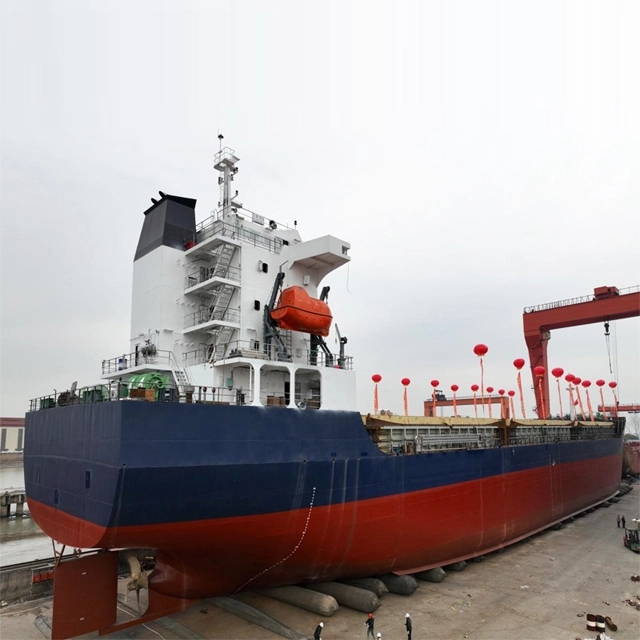
Evaluating below-waterline hull health requires careful analysis of hull plating and structural members. Review recent Ultrasonic Thickness Measurement (UTM) reports to quantify corrosion and steel wastage. Compare these readings against the original scantling drawings to ensure wastage remains within class allowable limits. Conduct a rigorous visual inspection for micro-cracks, structural fatigue, and weld integrity. Pay special attention to high-stress areas around the turn of the bilge, keel, and boot topping. Inspect the running gear thoroughly. Measure propeller blade condition, tail shaft wear down, and rudder pintle clearances. Look for cavitation damage on the propeller blades. For smaller commercial support craft, evaluate outdrives and bow thrusters. Finally, check sea chests and overboard discharge valves for marine growth and corrosion. Verify the condition of the impressed current cathodic protection (ICCP) system or sacrificial anodes.
Deck equipment must function flawlessly under load to ensure safe cargo operations and mooring. Test windlasses, mooring winches, and cargo cranes dynamically. Check brake holding capacities and hydraulic system integrity. Inspect the brake bands for wear and ensure the hydraulic lines show no signs of dry rot or leakage. Inspect hatch covers, rubber seals, and securing mechanisms to guarantee weather-tightness. Perform ultrasonic leak testing or chalk tests on hatch covers to identify compromised seals. Examine cargo hold structures, including corrugated bulkheads and lower hopper plates, for grab damage and coating breakdown. Check the condition of the Australian ladders and hold lighting. The integrity of these spaces directly dictates the types of cargo the vessel can safely carry.
The engine room represents the mechanical heart of the vessel. Analyze independent lube oil samples to detect internal bearing wear or coolant contamination. Review vibration analysis reports and exhaust temperature logs to assess engine balance and combustion efficiency. Conduct visual inspections for fluid leaks, localized corrosion, and jury-rigged repairs. Check crankweb deflections to ensure the crankshaft remains properly aligned. Verify the operation of the oil mist detector. Check the condition of exhaust lagging and heat shields to prevent fire hazards. Evaluate overall engine room hygiene. A spotless, well-organized machinery space usually indicates a disciplined engineering crew. Conversely, excessive oil in the bilges, bypassed safety sensors, and missing floor plates point to a neglected asset that will require massive capital injection.
Inspect ballast systems, bilge pumps, and fuel transfer lines for integrity and operational efficiency. Test the Oily Water Separator (OWS) to ensure strict compliance with MARPOL regulations. Verify the 15ppm alarm triggers correctly and stops the overboard discharge. Check pipe thickness in high-flow areas, particularly ballast lines passing through cargo holds. Hammer test suspect piping to identify internal thinning. Evaluate engine room automation and alarm systems. Simulate sensor faults to verify that alarms trigger correctly on the main console. Test the quick-closing valves on fuel tanks to ensure they operate smoothly during an emergency shutdown. Reliable piping and pumping systems prevent environmental disasters and maintain vessel stability.
Modern commercial vessels rely on complex bridge systems for safe navigation. Test critical bridge equipment, including the Electronic Chart Display and Information System (ECDIS), radars, and gyrocompasses. Verify steering gear response times from the main helm and emergency steering positions. Time the rudder movement from hard-over to hard-over to ensure it meets statutory requirements. Evaluate the Global Maritime Distress and Safety System (GMDSS) communication suites. Check battery backups and verify software updates for all electronic navigation aids. Test the voyage data recorder (VDR) and ensure no alarms are active. Seamless integration of navigation equipment ensures the crew can operate the vessel safely in congested waterways and adverse weather conditions.
Strict compliance with Safety of Life at Sea (SOLAS) requirements is mandatory. Check expiration dates and service records for all life rafts and hydrostatic release units. Inspect lifeboat davits, winches, and release gear. Test the lifeboat engine and verify the limit switches operate correctly. Verify the condition of portable fire extinguishers and fixed fire suppression systems, such as CO2 or hyper-mist installations. Weigh a sample of the CO2 bottles to ensure they have not leaked. Ensure all fire hoses, nozzles, and hydrants remain in good condition. Test the emergency fire pump to confirm it delivers adequate pressure to the highest deck. Compromised safety equipment leads to immediate port state control detentions.
The sea trial validates the vessel's performance against contract specifications and historical data. Establish clear success criteria before leaving the dock. Validate maximum speed, economical cruising speed, and fuel consumption rates. Execute crash stop tests to measure stopping distance and time. Perform steering gear hard-over tests to verify rudder response and hydraulic pump capacity. Conduct an endurance run at maximum continuous rating (MCR) to ensure the propulsion system can sustain heavy loads without overheating or triggering alarms. Test the blackout recovery sequence to ensure the emergency generator starts automatically and assumes the load within the required timeframe.
Monitor thermal dynamics and bearing temperatures continuously during the endurance run. Watch for abnormal structural vibration under full load conditions, which may indicate shaft misalignment or propeller damage. Evaluate the usability of systems and the required crew familiarization curve. Observe how the vessel handles in different sea states. Check for torsional vibration at various RPM ranges. The sea trial exposes hidden defects that remain dormant while the vessel sits idle at the pier. Document all anomalies immediately to form the basis of your final punch list. Do not accept verbal assurances that a problem will resolve itself after a break-in period.
When evaluating commercial vessels for sale, buyers must adapt their inspection criteria to the specific operational profile of the asset. A generic checklist fails to capture the unique stresses and regulatory requirements of specialized tonnage. You must align your technical evaluation with the intended commercial application of the ship.
Landing Craft Tanks operate in challenging, shallow-water environments. For LCT cargo vessel types, focus heavily on the bow ramp hydraulics and hinge integrity. Inspect the main deck load capacity and check for structural deformation caused by heavy rolling cargo. Evaluate the shallow draft operational integrity, particularly the protection of propellers and rudders from grounding damage. Check the bottom plating thoroughly, as these vessels frequently beach during cargo operations. Inspect the ballast tank coatings, as LCTs rely heavily on rapid ballasting to adjust trim during beaching maneuvers.
When inspecting bulk carrier vessel types, prioritize the cargo hold coating condition. Bare steel accelerates corrosion, especially when carrying acidic cargoes like coal or sulfur. Inspect bilge sounding pipes and top-side tank structures for fatigue cracks. Check the hatch cover securing cleats and compression bars meticulously. Verify the operation of the water ingress alarm system in the cargo holds.
For oil tanker ship types, evaluate the Inert Gas Systems (IGS) to ensure they maintain safe oxygen levels in cargo tanks. Inspect the Crude Oil Washing (COW) systems for pipe integrity and nozzle operation. Check cargo pump seals for leaks and verify manifold integrity. Tanker inspections require stringent adherence to hazardous area electrical classifications. Verify that all explosion-proof lighting and intrinsically safe equipment remain in certified condition.
| Vessel Type | Primary Structural Focus | Critical Machinery/Systems | Key Operational Risk Area |
|---|---|---|---|
| LCT Cargo Vessel | Bow ramp hinges, main deck plating, bottom hull | Ramp hydraulics, shallow-draft running gear | Frequent beaching damage, heavy deck loads |
| Bulk Carrier | Cargo holds, hatch covers, top-side tanks | Ballast pumps, deck cranes, mooring winches | Corrosive cargo damage, water ingress |
| Oil Tanker | Double hull spaces, cargo tank coatings | IGS, COW systems, cargo pumps, manifolds | Explosion hazards, environmental spills |
Partnering with a reliable China commercial vessel supplier requires navigating cross-border delivery protocols and export documentation. Verify local shipyard build standards against international class requirements, especially for newbuilds. Ensure the supplier provides complete, translated technical manuals and as-built drawings. Conduct milestone inspections during the build process rather than waiting for final delivery. This proactive approach ensures the vessel meets global operational standards before leaving the shipyard. Verify the availability of local service engineers for warranty claims and ensure the yard uses internationally recognized equipment brands to simplify future spare parts procurement.
A rigorous, evidence-based inspection remains the ultimate safeguard before assuming liability for a multi-million dollar maritime asset. Independent verification protects you from inheriting deferred maintenance and operational hazards. Use a structured shortlisting logic to weigh minor, rectifiable defects against major structural or mechanical flaws. Minor issues serve as leverage for price negotiation, while major flaws should trigger a walk-away decision.
A: A class survey only verifies that the vessel meets minimum statutory safety and environmental standards. A pre-purchase delivery inspection is a comprehensive evaluation by the buyer to assess actual operational condition, machinery wear, cosmetic state, and commercial readiness.
A: Yes. Newbuild inspections identify shipyard commissioning errors, improper system integration, and deviations from approved specifications. This process establishes a documented baseline for future warranty claims and ensures the vessel is truly ready for commercial operations.
A: A thorough survey provides empirical data on the vessel's condition. Financiers use this data to determine the asset's true market value. Underwriters assess the survey to evaluate risk, which directly influences coverage limits and insurance premium rates.
A: A thorough inspection typically takes three to five days, depending on the vessel's size and complexity. This timeframe allows for a complete review of documentation, dry and wet structural inspections, machinery testing, and a full sea trial.
A: The sea trial should include the buyer's technical superintendent, an independent marine surveyor, representatives from the classification society, and the seller's or shipyard's engineering team to operate the vessel and address immediate technical queries.
A: If a vessel fails to meet contract specifications, the buyer can demand immediate rectification, negotiate a reduction in the final purchase price, or reject the delivery entirely. You must document all failures to enforce contractual penalties.


