
Views: 0 Author: Site Editor Publish Time: 2026-09-21 Origin: Site


Maritime cement transport presents severe physical and logistical hurdles. Cement is a high-density powder highly susceptible to moisture. Even minor humidity exposure triggers hydration. This reaction ruins the cargo and causes severe structural damage to the vessel holds. Cement also fluidizes under vessel motion and compacts densely during transit. These properties create complex stability and handling issues.
Deploying inadequate tonnage introduces massive operational and regulatory risks. Standard dry cargo vessels suffer from extended port turnaround times and heavy fines for dust pollution. High-density powders impose extreme structural stress on non-optimized hulls, leading to accelerated wear. Fleet managers and procurement officers must prioritize specialized tonnage.
This technical evaluation guide provides a framework for assessing vessel specifications, capacity requirements, and regulatory compliance. You will learn how to evaluate moisture control, automated discharge systems, and structural reinforcement to ensure cargo integrity.
Standard dry cargo vessels fail to meet the environmental and handling requirements of modern cement transport. Aerated and settled cement demands containment solutions that conventional bulkers cannot provide. You cannot simply pour cement into a standard hold and expect a smooth discharge.
Conventional hatch-cover bulkers rely on shore-based grabs for unloading. This exposes the cargo to weather. A sudden rainstorm ruins thousands of tons of cement instantly. Grab-based unloading generates massive fugitive dust. This violates local port emission standards and causes cargo loss. Open-hatch designs complicate moisture control during transit. Condensation and caking risks increase significantly.
Evaluating different bulk carrier vessel types reveals that dedicated cement carriers use fully enclosed architectures. They load and unload through sealed pipeline connections. This achieves zero-emission operations. The enclosed design isolates the cargo from atmospheric moisture. It eliminates large hatch covers, enhancing structural rigidity. This architecture ensures continuous port operations regardless of weather. You eliminate rain delays entirely.
Operators often debate retrofitting a general cargo ship versus investing in a purpose-built vessel. Conversions involve installing fluidization floors into existing flat-bottomed holds. Flat bottoms require extensive fluidization padding to move cargo toward suction points. This leaves significant unpumpable residue behind. You spend hours manually sweeping the holds after every discharge.
Purpose-built carriers feature steep, V-shaped hopper holds. Gravity feeds the cement directly into the discharge system. Hopper angles typically range from 8 to 12 degrees to ensure optimal gravity feeding. This geometry minimizes dead cargo. Purpose-built vessels maintain a lower center of gravity. This counteracts the shifting nature of fluidized cement and provides superior intact stability during rough sea passages.
| Parameter | Standard Bulker | Purpose-Built Cement Carrier |
|---|---|---|
| Discharge Method | Shore-based grabs | Enclosed pneumatic or mechanical |
| Weather Dependency | High (operations halt in rain) | None (fully sealed operations) |
| Dust Emissions | Severe fugitive dust | Zero visible emissions |
| Hold Geometry | Flat bottom | V-shaped hoppers |
| Dead Cargo Percentage | High (requires manual sweeping) | Minimal (gravity-fed) |
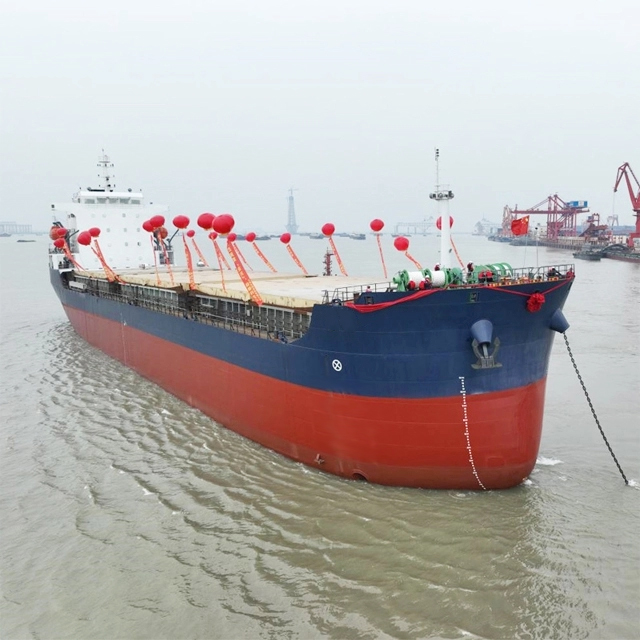
Evaluating a cement bulk carrier requires analyzing its specialized subsystems. Containment, discharge, environmental, and structural technologies determine operational viability.
Hermetically sealed holds defend against cargo spoilage. Cement carriers utilize small, watertight loading manifolds instead of expansive hatch covers. This minimizes the surface area susceptible to water ingress.
Advanced dehumidification systems prevent condensation. Temperature differentials between the hull and cargo cause condensation inside the holds. Moisture control systems circulate dry air through void spaces and above the cargo surface. This prevents the cement from caking. The internal atmosphere remains strictly controlled. The powder stays fluid and ready for immediate discharge. We see many operators fail because they neglect the dehumidifier maintenance.
Self-discharging capability defines these vessels. Systems fall into pneumatic and mechanical categories. The pneumatic discharge process follows a strict sequence:
The aeration pads consist of a permeable synthetic fabric stretched over a steel frame. When compressed air forces through this fabric, it creates a uniform air cushion. The cement loses its shear strength and flows like a liquid toward the suction bellmouths.
Mechanical systems rely on screw conveyors, bucket elevators, and drag chains. They consume less power and achieve high discharge rates. They require compatible shore-based receiving hoppers. Target discharge rates range from 500 to over 1,000 tonnes per hour. Higher rates minimize port turnaround times.
Compliance with MARPOL Annex V requires robust dust control. Pneumatic loading displaces massive volumes of air from holds and shore silos. This air carries heavy cement dust.
Modern carriers integrate high-capacity bag filters and closed-loop loading systems. Bag house filters capture particulate matter before venting air into the atmosphere. This ensures zero visible emissions. The system vibrates captured dust back into the cargo hold. This prevents cargo loss and environmental contamination. Port authorities will detain your vessel if these filters fail during operation.
Cement is exceptionally heavy. Aerated specific gravity ranges from 1.0 to 1.5 t/m³. It settles and compacts densely during transit. This exerts immense localized pressure on the structure.
High-strength tank tops and reinforced framing prevent hull deformation. The structural design accounts for dynamic loads when cargo compacts and shifts. Intact stability criteria address the free-surface effect. This effect occurs if cargo fluidizes due to vessel vibration or heavy rolling. Purpose-built hulls maintain safe metacentric heights under all loading conditions.
Centralized cargo control rooms manage loading and discharging. These rooms feature automated draft sensors, remote valve controls, and real-time fluidization monitoring.
Operators adjust air pressure and flow rates dynamically to prevent pipeline blockages. Automated systems monitor temperature and humidity within the holds. This alerts the crew to condensation risks. Automation reduces the physical workload on the crew and minimizes human error. You can monitor the entire discharge process from a single console.
Selecting vessel capacity dictates operational profitability. You must align vessel size with port draft limits, terminal infrastructure, and regional demand.
For short-sea shipping and coastal distribution, a 5000 ton cement bulk carrier offers unmatched agility. These vessels navigate shallow-draft ports. They access decentralized, secondary silos that larger ships cannot reach.
Their smaller size reduces port resource allocation. They maintain steady supply chains to remote construction projects or island nations. Demand in these areas is consistent but volume per shipment remains limited. Rapid loading and unloading capabilities allow for high-frequency voyage schedules. This maximizes asset utilization in localized trade routes.
Operating in the mid-range capacity, a 20000 ton bulk carrier balances economies of scale and port accessibility. This size suits regional trade routes like intra-Asia or the Caribbean.
These vessels service major regional hubs while entering moderately draft-restricted ports. They often serve a dual purpose. They act as primary transport vehicles and function as floating transfer stations. Operators anchor offshore and discharge into smaller coastal barges. This bypasses congested terminal infrastructure and streamlines regional distribution.
Handysize vessels dominate deep-sea, high-volume cement trades. When evaluating a 35000 DWT bulk carrier for sale, operators assess deep-sea capabilities and receiving terminal infrastructure.
These vessels require deep-water berths. They need robust shore-based receiving systems capable of handling massive discharge volumes. Manifold compatibility and shore-power connections ensure seamless integration with major import terminals. Deep-sea operations necessitate strict adherence to international environmental regulations. Buyers scrutinize Energy Efficiency Existing Ship Index (EEXI) and Carbon Intensity Indicator (CII) ratings. Operators often install Engine Power Limitation systems or retrofit energy-saving devices like Mewis ducts to maintain compliance. You must evaluate the vessel's historical fuel consumption data to project its CII rating trajectory over the next five years.
| Vessel Class | Primary Trade Route | Optimal Discharge Rate | Terminal Requirement |
|---|---|---|---|
| 5000 DWT | Coastal, Island Supply | 300 - 500 tph | Shallow draft, basic silos |
| 20000 DWT | Regional, Intra-Asia | 500 - 800 tph | Moderate draft, regional hubs |
| 35000 DWT | Deep-sea, High-volume | 800 - 1200+ tph | Deep-water berths, robust infrastructure |
Acquiring specialized tonnage involves complex strategic choices. The decision depends on immediate operational needs and long-term fleet modernization goals.
Commissioning a new build optimizes operations. When partnering with a custom bulk carrier manufacturer, operators tailor every aspect of the vessel to specific trade routes. Select a shipyard based on their track record with complex pneumatic systems and steel fabrication quality.
New builds integrate eco-friendly propulsion systems, advanced hull coatings, and shore-power readiness. Buyers customize discharge manifolds to match specific terminal infrastructure. This eliminates the need for shore-side adapters. The resulting vessel delivers maximum efficiency, lowest emissions, and an extended operational lifespan.
Purchasing second-hand tonnage provides immediate market entry. Evaluating used specialized carriers requires a rigorous technical inspection process. The abrasive nature of cement accelerates wear on critical components.
The viability of specialized cement transport relies on maximizing operational efficiency and minimizing downtime. Understanding the variables that drive voyage profitability is essential.
Self-discharging capabilities drastically reduce reliance on shore-based infrastructure. Conventional unloading requires hiring stevedores, renting port cranes, and coordinating grab operations. This inflates per-voyage port resource allocation.
Enclosed, automated systems allow a small crew to manage the entire discharge process from the cargo control room. This independence guarantees predictable port turnaround times. Faster turnarounds increase the number of revenue-generating voyages a vessel completes annually.
Specialized equipment requires rigorous preventative maintenance. Dust collectors, heavy-duty blowers, and rotary valves must be serviced according to strict schedules. Neglecting bag house filters leads to pressure build-ups that rupture pipelines.
Implement these standard maintenance protocols to prevent mid-discharge breakdowns:
The enclosed nature of these vessels results in favorable insurance terms. Purpose-built carriers secure lower cargo insurance premiums. They virtually eliminate the risk of moisture damage, weather delays, and cargo loss during transfer. Enhanced structural integrity mitigates hull damage risks.
When fleet managers expand capacity, initiating a highly detailed bulk carrier price inquiry is the first step. Vague requests yield inaccurate proposals. Prepare exact technical parameters to ensure the shipyard understands the operational profile.
Required specifications include the exact Deadweight Tonnage (DWT), maximum allowable draft, preferred discharge rate, and the specific route profile. Outlining environmental compliance targets and preferred discharge technology allows manufacturers to engineer accurate solutions. These variables influence the final engineering complexity and steel requirements.
The operational success of a cement bulk carrier depends on the precise synergy between discharge technology, structural reinforcement, and environmental compliance. Standard vessels cannot manage the high density, moisture sensitivity, and dust pollution risks associated with modern cement transport. Decision-makers must prioritize discharge efficiency, robust moisture control systems, and automated handling capabilities over raw cargo capacity.
Take the following immediate actions to advance your fleet procurement strategy:
A: While possible using jumbo bags or specialized shore-based grabs, it is highly inefficient. Standard bulkers are prone to severe weather delays, as open hatches expose cargo to moisture. They pose massive dust pollution risks and suffer from significant cargo loss compared to fully enclosed, self-discharging carriers.
A: Discharge rates vary significantly based on vessel size and the installed system. Rates typically range from 300 to over 1,200 tonnes per hour. Mechanical systems often achieve the higher end of this spectrum, while pneumatic systems provide superior flexibility for terminals with limited infrastructure.
A: Construction parameters are dictated by the selected shipyard's engineering capabilities and the complexity of the self-discharging equipment. Integrating advanced EEDI compliance features, eco-friendly propulsion, and high-capacity automated cargo control systems will heavily influence the final vessel design and resource allocation required for the build.
A: A 5000-ton vessel offers exceptional agility for coastal trades and short-sea shipping. Its shallow draft allows entry into restricted ports, making it highly efficient for supplying regional distribution hubs and decentralized silos without requiring massive, deep-water terminal infrastructure.
A: Key inspection points include hull integrity, as high-density cargo causes severe structural stress. You must inspect the condition of the pneumatic or mechanical handling systems, verify current EEXI/CII ratings, and ensure full compliance with modern ballast water treatment regulations.
A: Cement undergoes a chemical reaction called hydration when exposed to moisture. Even high humidity causes the powder to harden and cake. This ruins the cargo and causes catastrophic, irreversible blockages in the vessel's holds and discharge pipelines.
A: They utilize fully enclosed loading and unloading systems that prevent exposure to the elements. High-efficiency bag filters capture displaced cement dust during pneumatic operations, ensuring zero visible emissions and preventing both air and water pollution during port stays.


