
Views: 0 Author: Site Editor Publish Time: 2026-09-03 Origin: Site


In 2026, the maritime industry faces tightening environmental regulations, fluctuating global steel indices, and constrained shipyard capacity. Fleet expansion requires precise financial calculation. Retail searches often confuse shipping a single container with the capital required to acquire the vessel itself. This guide focuses strictly on the capital acquisition of commercial maritime assets.
Fleet managers and maritime investors struggle to secure accurate, transparent quotes for newbuilds and secondhand vessels. Opaque market conditions, varying propulsion technology premiums, and shifting regulatory frameworks complicate procurement. Understanding exactly how much does a cargo ship cost requires looking beyond basic tonnage. Buyers must evaluate baseline capital expenditure, analyze cost drivers across specific vessel classes, and develop a framework for evaluating shipyard proposals. We break down the baseline capital expenditure required to acquire a commercial vessel, analyze cost drivers, and provide a framework for evaluating shipyard proposals to ensure long-term operational profitability.
Establishing realistic budget expectations is mandatory before initiating shipyard negotiations or approaching maritime financiers. The maritime asset market operates under distinct pressures that heavily influence acquisition costs. You cannot simply look at historical data to predict current build costs. The current orderbook-to-fleet ratio dictates shipyard slot availability. Major global shipyards operate at near-maximum capacity. This high demand restricts available build slots, driving up the premium required to secure a near-term delivery. Buyers looking for expedited timelines must account for these capacity constraints in their initial capital expenditure planning.
Secondhand market dynamics also play a critical role in asset valuation. Depreciation curves for older vessels are accelerating rapidly. Looming retrofitting requirements for non-compliant ships make older tonnage less attractive without significant capital upgrades. Surging global freight rates directly influence secondhand asset valuation. When container shipping rates jump, the immediate revenue-generating potential of an existing vessel increases. This justifies the premium pricing seen in the secondhand market and simultaneously reinforces the high baseline costs of newbuild contracts.
Tonnage and capacity serve as the primary multipliers for baseline costs. Deadweight Tonnage and Twenty-foot Equivalent Units provide the framework for pricing floors and ceilings. Standard specifications, conventional fuel systems, and standard delivery timelines form the baseline. Any deviation from these standard metrics immediately scales the acquisition cost upward. If you request advanced propulsion systems or specialized cargo handling gear, expect the shipyard to revise the baseline quote significantly.
| Market Factor | Impact on Newbuild CapEx | Impact on Secondhand Valuation |
|---|---|---|
| High Orderbook-to-Fleet Ratio | Increases baseline cost due to slot scarcity | Drives up premium for immediate vessel availability |
| Tightening Emissions Regulations | Requires expensive dual-fuel engine integration | Accelerates depreciation of conventional diesel vessels |
| Surging Global Freight Rates | Shipyards hold pricing power, reducing negotiation leverage | Increases asset value based on immediate earning potential |
| Steel Index Fluctuations | Directly alters heavy plate procurement costs | Minimal direct impact, though scrap value fluctuates |
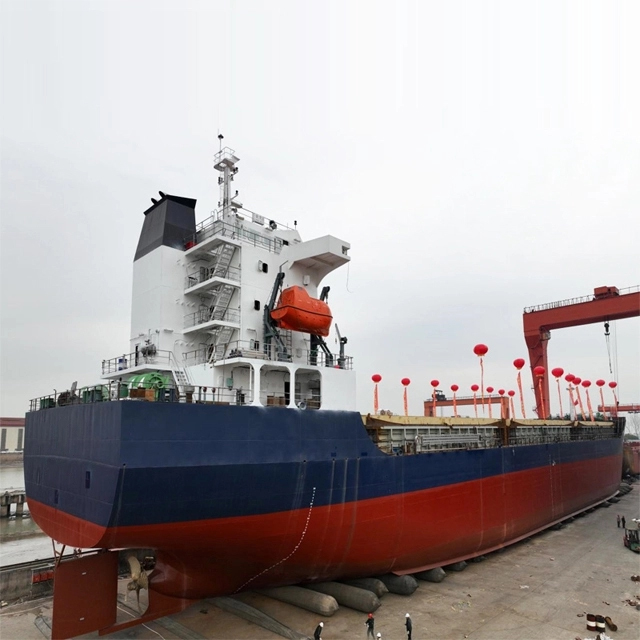
Categorizing asset costs based on operational profiles and specific trade route requirements helps buyers align their procurement strategy with their commercial objectives. Different commercial vessel types carry distinct engineering requirements that dictate their final build cost. You must match the vessel's technical specifications to the intended cargo and port infrastructure.
Container ship acquisition scales dramatically based on carrying capacity and route deployment. Regional feeder vessels represent the entry point for containerized asset acquisition. These smaller ships navigate shallow drafts and service secondary ports. They require less steel and utilize standard two-stroke marine diesel engines. Mid-size Panamax and Post-Panamax vessels require substantially higher capital due to their increased steel weight, larger engine requirements, and extended operational range. The structural reinforcements needed to support higher container stacks add significant material costs.
Ultra-large mega-ships demand the highest capital outlay in this category. Justifying the acquisition of these massive assets requires rigorous revenue generation and payback modeling. Beyond raw size, technical enhancements drive costs. Increased reefer plug capacity necessitates larger auxiliary generators and upgraded electrical distribution systems. Automated lashing systems and advanced bridge navigation suites further elevate the final shipyard invoice. The sheer volume of high-tensile steel required for the hull girder strength of a 24,000 TEU vessel pushes it into the highest capital tier.
Bulk carrier pricing depends heavily on the vessel's classification and cargo handling capabilities. When evaluating bulk carrier vessel types, you must consider the specific commodities they will transport. Handysize and Supramax vessels offer operational flexibility, allowing access to smaller ports with limited infrastructure. Panamax and Capesize vessels are designed for high-volume commodity transport, requiring massive steel structures and heavy-duty propulsion systems to move iron ore or coal across oceans.
Cargo handling gear is a primary cost variable. Geared bulk carriers, equipped with onboard cranes, require higher upfront capital than gearless vessels. The inclusion of heavy-duty deck cranes necessitates structural reinforcements in the deck plating and specialized hydraulic power units. Hatch cover configurations also impact pricing. Hydraulic folding covers, side-rolling covers, and specialized sealing mechanisms for moisture-sensitive cargoes add to the baseline build cost. Upgrading the cargo hold coatings to withstand abrasive materials like bauxite or steel coils will also increase the shipyard's quote.
Tanker acquisition involves stringent safety and environmental compliance features. Different oil tanker ship types require varying levels of specialized engineering. Aframax and Suezmax tankers serve as the workhorses of regional and international crude transport. Very Large Crude Carriers require immense capital due to their sheer scale and the volume of raw materials needed for construction. The longitudinal strength requirements for these massive hulls dictate the use of thicker, heavier steel plates.
Premium costs in this sector are driven by regulatory mandates. Double-hull requirements double the steel complexity in the lower sections of the vessel. Advanced pumping systems, designed for rapid loading and discharging, require high-grade materials to prevent corrosion and handle high-viscosity fluids. Inert gas systems, mandatory for preventing explosive atmospheres in cargo tanks, represent a significant technical addition. Cargo heating coils, necessary for transporting heavy fuel oil or bitumen, require extensive piping networks and high-capacity boilers, further increasing the overall acquisition cost.
Landing Craft Tanks serve specialized logistical needs, particularly in island logistics and heavy equipment transport. These vessels utilize a shallow-draft, roll-on/roll-off design. Pricing models for LCT cargo vessel types focus on deck strength and accessibility rather than deep-sea speed or massive volumetric capacity. The flat-bottom hull design simplifies construction, but the specialized bow ramp mechanics add engineering complexity.
Ramp load capacity is a critical cost factor. Heavy-duty hydraulic bow ramps designed to support mining equipment or construction vehicles require extensive structural engineering and robust hydraulic cylinders. Deck reinforcement, utilizing high-tensile steel to prevent buckling under point loads from tracked vehicles, adds to the material costs. Maneuverability enhancements, such as bow thrusters and specialized steering gears, are often necessary for navigating unimproved beachheads. Upgrading the ballast system to allow for rapid draft adjustments during beaching operations will also influence the final build price.
Understanding the macroeconomic and technical variables that dictate final shipyard pricing is essential for accurate procurement planning. Several core drivers determine the ultimate capital required to launch a new vessel. You must analyze these factors to negotiate effectively with shipbuilders.
Global steel indices directly correlate with heavy plate pricing. The hull constitutes the largest single material expense in ship construction. Fluctuations in iron ore and metallurgical coal markets immediately impact shipyard quotes. Standard marine-grade steel forms the baseline, but specialized vessels require advanced materials. Shipyards typically lock in steel prices at the time of contract signing, but extreme market volatility can trigger escalation clauses.
Vessels designed for cryogenic storage, such as LNG carriers or dual-fuel ships with LNG tanks, require specialized alloys. Invar or high-nickel steels are mandatory for maintaining structural integrity at extreme sub-zero temperatures. The procurement, cutting, and welding of these specialized alloys require advanced shipyard capabilities. Welders must hold specific certifications for these materials, and the inspection process is far more rigorous. This specialized labor and material requirement carries a substantial cost premium over conventional carbon steel construction.
Environmental regulations are the most significant technical cost driver in modern shipbuilding. Buyers must choose between conventional and alternative propulsion systems. Conventional heavy fuel oil engines equipped with exhaust gas cleaning systems offer a lower initial baseline. However, dual-fuel engines capable of burning LNG or methanol require complex fuel gas supply systems, double-walled piping, and specialized storage tanks. The integration of these systems requires extensive engineering hours and premium components.
Alternative fuel readiness, such as designing a vessel to eventually run on ammonia or hydrogen, requires upfront structural and piping accommodations. Energy-saving devices also impact the initial build cost. Air lubrication systems, rotor sails, and optimized propeller designs require additional engineering and material investment. You must evaluate the return on investment for these systems against the vessel's intended operational profile. Installing a shaft generator to reduce auxiliary engine run hours increases the initial capital expenditure but improves long-term fuel efficiency.
Forward-booking timelines currently stretch years into the future for top-tier yards. This constrained capacity drives up immediate acquisition costs. Shipyards hold the pricing power in a high-demand market. Securing a favorable delivery slot often requires a financial premium. Buyers prioritizing rapid fleet expansion must be prepared to pay higher baseline costs to secure expedited delivery schedules. If a shipyard has an unexpected cancellation, they will auction that near-term slot at a premium to the highest bidder.
Balancing upfront cost savings with long-term build quality is the primary challenge during shipyard selection. Chinese shipyards dominate the global orderbook, offering distinct advantages that buyers must carefully evaluate. Selecting the right builder dictates the operational reliability of the asset for the next two decades.
The dominance of Chinese shipbuilders stems from massive economies of scale, highly integrated domestic supply chains, and robust infrastructure. Proximity to raw steel production and tier-one equipment vendors reduces logistical overhead. This efficiency translates into highly competitive baseline pricing for newbuild contracts. Partnering with a reputable commercial vessel manufacturer in China allows buyers to leverage these systemic advantages.
However, buyers must implement a rigorous framework for auditing a shipyard's track record. Cost advantages must not compromise structural integrity. Audits should focus on steel cutting precision, welding automation, and coating application standards. Automated panel lines and robotic welding ensure consistent seam quality, which is critical for long-term hull integrity. Evaluating the shipyard's application of marine coatings, particularly in ballast tanks and underwater hulls, is essential for preventing premature corrosion. You should review the shipyard's block assembly tolerances and outfitting procedures before signing a letter of intent.
Securing favorable financing terms is a major component of the acquisition strategy. Buyers often leverage Chinese export credit agencies to structure competitive payment schedules. These institutions provide refund guarantees and export financing that mitigate the financial risk of heavy capital outlays during the construction phase. Understanding the documentation requirements for these financial instruments is critical for keeping the project on schedule.
Assessing geopolitical risks and potential import tariffs is also necessary when finalizing a build contract. Buyers must ensure the shipyard complies strictly with international maritime labor conventions and classification society standards. Engaging independent third-party inspectors during the build process guarantees that the final vessel meets all contracted technical specifications and international regulatory requirements. The site team will monitor daily progress, inspect weld radiographs, and verify that all equipment matches the approved maker's list.
Avoiding cost overruns and specification mismatches during the procurement phase requires meticulous planning. The process of requesting and evaluating a shipyard proposal demands high-level technical and commercial scrutiny. You cannot rely on a generic brochure to secure an accurate build price.
A comprehensive outline specification is mandatory before requesting a quote. This document defines the vessel's operational profile, including design speed, maximum draft, cargo capacity, and fuel consumption targets. Vague specifications lead to inaccurate pricing and inevitable change orders. The naval architect must detail the exact scantlings, paint specifications, and machinery redundancies required for your specific trade route.
The Maker's List is a critical component of the specification. This list dictates the approved vendors for all major onboard equipment, from the main engine to the navigation electronics. Aligning the Maker's List with the vessel's operational profile ensures reliability. Specifying top-tier equipment vendors increases the upfront quote but guarantees better global service availability. When you request a custom vessel price quote, the shipyard will base their initial numbers on their preferred, locally sourced equipment unless you strictly enforce your own Maker's List.
Evaluating a proposal requires identifying hidden risks. Overly optimistic delivery schedules often indicate a shipyard overpromising on its capacity. Vague warranty terms regarding hull coatings or main engine performance leave the buyer exposed to post-delivery defects. You must scrutinize the exclusions in the warranty clause to ensure you are protected against systemic manufacturing failures.
Reliance on unproven tier-three equipment suppliers is a major red flag. Shipyards may attempt to lower the quote by substituting specified tier-one equipment with cheaper alternatives. Buyers must strictly enforce the agreed Maker's List. Hidden costs often emerge in design modifications. Change orders initiated after steel cutting carry exorbitant premiums. Finalizing the design completely before contract signing mitigates this risk. Review the shipyard's standard contract terms for owner-supplied equipment to avoid unexpected handling fees.
Payment structures dictate the buyer's cash flow during the construction period. Standard heavy-tail payment structures defer the largest capital outlay until the vessel is successfully delivered. Top-heavy structures require more capital upfront, increasing the buyer's financial exposure. Negotiating a payment schedule tied to verifiable physical milestones, such as keel laying and main engine installation, protects your capital.
Refund guarantees provided by reputable international banks are non-negotiable. These guarantees protect the buyer's installments if the shipyard defaults or fails to deliver the vessel. Sea trial performance penalties must be written into the contract. If the vessel fails to meet contracted speed, fuel consumption, or cargo capacity metrics during sea trials, the final delivery payment must be proportionally reduced. Ensure the contract clearly defines the testing protocols and environmental conditions for the sea trials.
A: The capital required for an ultra-large container vessel sits at the absolute highest tier of commercial shipbuilding. The sheer volume of high-tensile steel, massive dual-fuel main engines, and specialized cargo securing systems drive the baseline cost. Additionally, increased electrical generation capacity for thousands of reefer plugs and automated bridge systems require substantial upfront capital investment.
A: Payback periods depend entirely on global freight rates and route optimization. During peak demand cycles, vessels can achieve rapid ROI through high-margin long-haul routes. Conversely, during market downturns, the massive operational overhead of ultra-large vessels extends the payback period significantly. Efficient fuel management and maximizing container utilization are critical for accelerating ROI.
A: High freight rates increase the immediate revenue-generating potential of active vessels. This demand drives up the valuation of secondhand ships, as buyers pay a premium for immediate operational deployment. Consequently, this high demand also allows shipyards to maintain premium pricing for newbuild slots, as operators rush to expand their fleets.
A: Smaller, gearless bulk carriers and basic regional feeder vessels generally require the lowest capital outlay. Their standardized designs, conventional propulsion systems, and lack of complex cargo handling equipment keep engineering and material costs to a minimum. The use of standard marine-grade steel and smaller two-stroke engines further reduces the baseline build cost.
A: The timeline depends heavily on shipyard slot availability. While the actual physical construction from steel cutting to sea trials typically takes 12 to 18 months, current high orderbook volumes mean buyers often wait two to three years from contract signing to final delivery. Expedited slots are rare and carry a heavy premium.
A: These vessels require highly specialized fuel gas supply systems, double-walled piping for safety, and advanced storage tanks built from specialized alloys. The engineering complexity and premium materials required to safely store and burn alternative fuels add significant costs over standard marine diesel systems. Specialized welder certifications also increase labor expenses.
A: Secondhand values fluctuate based on immediate freight demand and the vessel's age. While older vessels face steep depreciation due to impending regulatory non-compliance, modern, eco-efficient secondhand ships often command high valuations. They offer immediate deployment without the multi-year wait for a shipyard build slot, justifying a premium over older tonnage.


