


Modern maritime operations rely heavily on incredible engineering feats. Giant cargo vessels cannot function alone in tight spaces. We define the modern tugboat not just as a towing vessel. It operates as a high-density, critical maritime asset designed purely for maneuverability and torque. Mega-ships and ultra-large crude carriers (ULCCs) scale up rapidly today. However, port infrastructure remains constrained globally. These highly specialized tug boats serve as the essential eyes, radar, and muscle bridging this dangerous gap.
Acquiring the right vessel requires looking past baseline definitions. You must scrutinize bollard pull realities and propulsion configurations. You will learn how to evaluate operational specs effectively. We also explain how to select the right hull design for your specific environment. Finally, you will discover how to partner with a reliable shipyard to secure long-term maritime success, whether you are looking for tug boats for sale or custom new builds.
Operational Necessity: Mega-ships lose rudder efficacy at low speeds (under 6 knots), making specialized tug boats mandatory for safe berthing and maneuvering.
Specifying for the Environment: Selecting between Seagoing, Harbour, and River vessels dictates propulsion choices, from Azimuthal Stern Drives (ASD) to conventional shafts.
Metric Skepticism: Static Bollard Pull is the industry standard for power, but real-world dynamic towing conditions and hull hydrodynamics often yield different operational limits.
Vendor Vetting: Sourcing from a High performance tugboats manufacturer requires evaluating Class Society certifications (ABS, IRS) and custom engineering capabilities, not just upfront costs.
Commercial shipping relies entirely on physics. We must address the dynamics of giant vessels operating in confined spaces. Water flows across a massive container ship's rudder to provide steering. At low harbor speeds under six knots, this water velocity drops significantly. The rudder loses its operational efficacy entirely. The giant ship can no longer turn independently. It effectively becomes a drifting hazard. Crews need immediate external torque to change direction safely.
Operating without proper escort assistance introduces severe risks. Terminals face immense operational and financial threats daily. Berthing delays cascade through supply chains. Minor collisions cause millions in structural damage. Grounding incidents in narrow channels can shut down an entire port. Escort vessels mitigate these risks directly. They apply controlled force exactly where the larger ship needs it.
A successful deployment guarantees seamless berthing operations. It also provides proactive hazard monitoring. Modern fleets also deliver immediate emergency response capabilities. They pump water for firefighting and contain spills instantly. Most importantly, they accomplish these tasks without bottlenecking daily port operations. They move quickly, apply force securely, and detach swiftly.
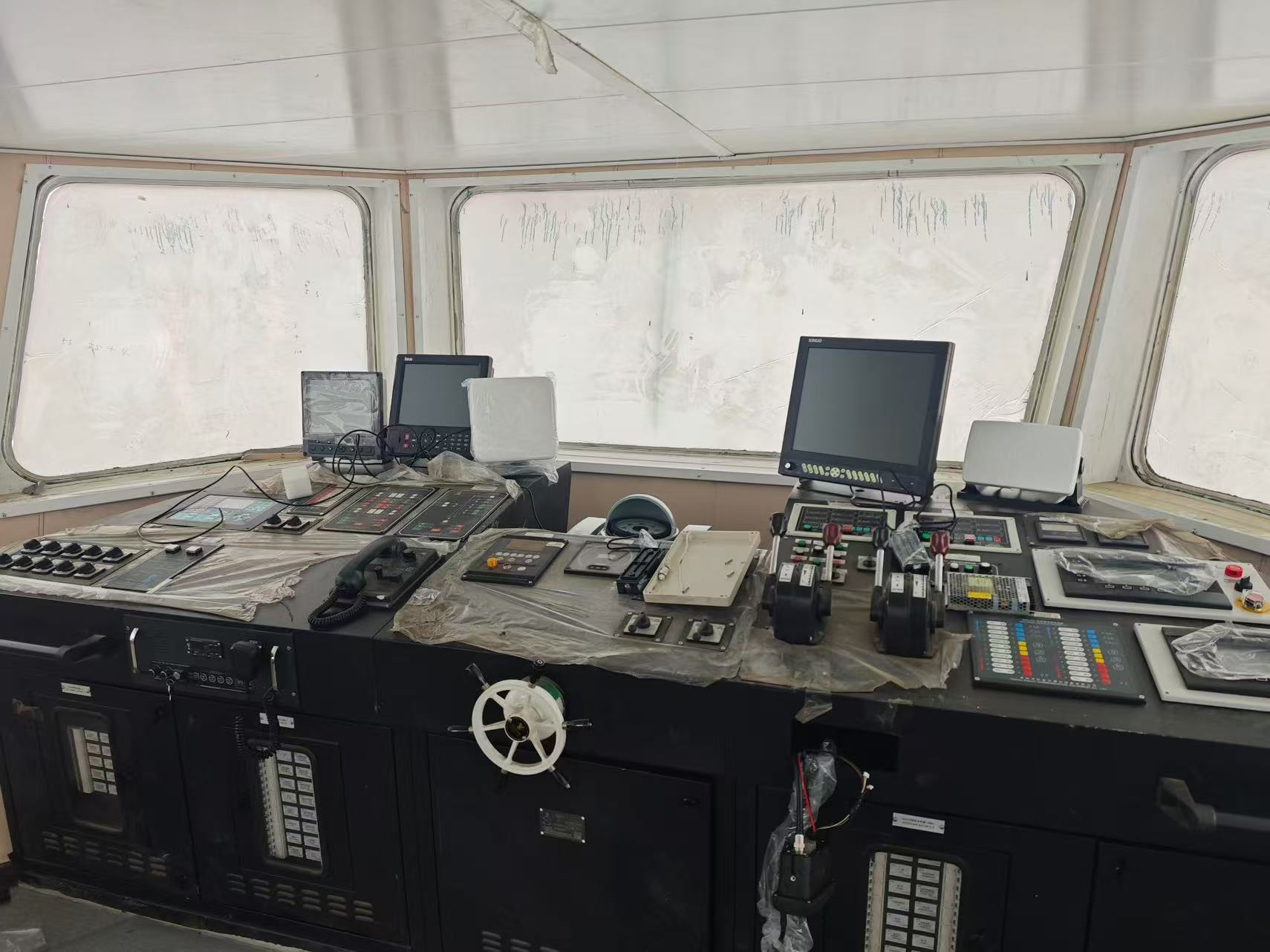
Engineers design hulls specifically for their operating environments. You cannot use a harbor vessel for deep-ocean transport safely. We break down the three primary environments and their engineered differences below. Understanding these categories prevents catastrophic deployment failures.
Harbour Tugs feature a highly compact footprint. They utilize an extremely high width-to-length ratio. This specific geometry prevents fatal capsizing during heavy side-loads. Operators value them for being highly maneuverable. Builders design them explicitly for tight berthing, gentle pushing, and indirect towing. They dart around massive container ships easily.
Seagoing (Ocean) Tugs tackle completely different challenges. Shipyards build them for extreme endurance and high sea states. They carry massive fuel reserves for long voyages. This category includes Articulated Tug and Barge (ATB) units. It also covers Integrated Tug and Barge (ITB) configurations. These advanced designs lock the vessel directly into a barge for efficient deep-water transport.
River Tugs (Pushboats) operate in shallow inland waterways. They utilize flat-bowed hulls equipped directly with heavy push knees. Designers engineer them strictly for the forward pushing of massive barge flotillas. They lack deep keels. Consequently, they remain fundamentally unsuited for rough ocean swells.
| Vessel Type | Primary Environment | Key Design Feature | Main Operation |
|---|---|---|---|
| Harbour Tug | Confined Ports | High width-to-length ratio | Berthing & Indirect Towing |
| Seagoing Tug | Deep Ocean | Deep draft, high endurance | ATB/ITB Transport & Salvage |
| River Tug (Pushboat) | Inland Waterways | Flat bow with push knees | Forward Pushing |
Smart buyers move beyond basic horsepower. You must evaluate commercial maritime metrics to gauge true capability. The most defining architectural philosophy of these vessels is "space-for-power." Engineers pack maximum engine capacity into minimum hull space.
Consider the power-to-tonnage ratio. Standard cargo vessels operate efficiently between 0.35 and 1.20. Specialized towing assets range dramatically higher, between 2.20 and 9.5. The hull essentially serves as a floating envelope for an enormous powerplant. Everything else remains secondary to thrust generation.
Propulsion technology dictates how you apply this power. We view technology through three primary lenses:
Conventional vs. Tractor vs. Azimuthal Stern Drive (ASD): Conventional shafts push water straight back. Tractor designs place propellers forward to improve turning. ASD systems provide the ultimate balance. They offer heavy towing power and 360-degree maneuverability. ASD virtually eliminates the fatal capsizing risks inherent in older conventional designs.
Kort Nozzles: Engineers often shroud the propeller inside a specialized hydrodynamic ring. This Kort Nozzle restricts outward water flow. It forces water straight back, dramatically increasing the thrust-to-weight ratio.
Cyclorotors: These advanced vertical blades offer instant, omnidirectional thrust. They excel in tight spaces and ice-breaking scenarios, increasing effective thrust significantly.
Buyers must approach Bollard Pull claims skeptically. Bollard Pull represents the industry standard for pulling power. Manufacturers usually conduct a "10-minute continuous static pull" test. They perform this test in deep, undisturbed water. However, this controlled environment rarely translates one-to-one in turbulent port wakes. Shallow water limits propeller efficiency. Ship wakes disrupt water flow. You must factor in dynamic loads and real-world hydrodynamics when evaluating raw spec sheets.
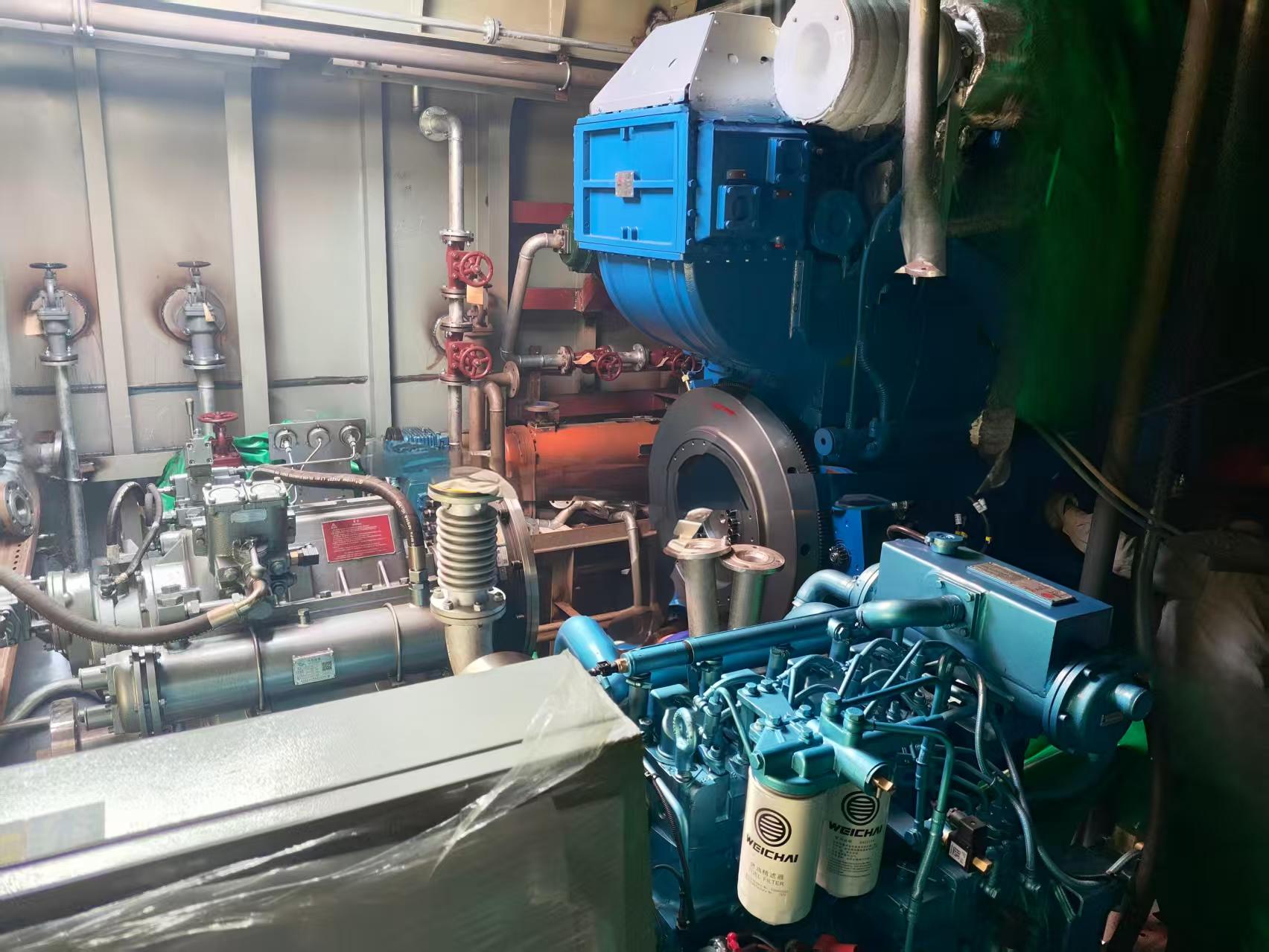
Selecting the right shipyard dictates your operational success for decades. You need rigorous shortlisting logic. Sourcing reliable vessels requires evaluating capabilities beyond upfront pricing models.
First, demand top-tier Class Society Certification. Ensure your builder routinely delivers vessels certified by tier-one societies. Look for stamps from the American Bureau of Shipping (ABS), Lloyd’s Register, or the Indian Register of Shipping (IRS). These certifications guarantee insurance compliance. They also prove underlying structural integrity.
Next, assess customization versus off-the-shelf limits. Ports feature unique regional anomalies. You might face shallow draft restrictions or require specialized winch configurations. Assess the builder's ability to modify draft depth safely. Verify they can customize fendering systems for your specific dock layouts.
Propulsion integration experience separates elite builders from average ones. Sourcing from a true High performance tugboats manufacturer mitigates severe integration risks. Verify their track record in integrating advanced systems. Ask about Common Rail fuel injection installations. Inquire about Propeller Boss Cap Fins for fuel efficiency. Elite yards do not just drop massive engines into standard hulls. They optimize the entire hydrodynamic envelope.
Your next-step action involves data collection. We strongly recommend conducting a comprehensive fleet audit. Determine your precise Bollard Pull requirements based on ship sizes visiting your port. Analyze your operational profiles. Once you define these parameters, issue a targeted RFP to your short-listed yards.
Defining these vessels today means understanding them as highly regulated, precision-engineered powerhouses. They represent the lifeblood of safe, modern port operations. You cannot rely on outdated assumptions about towing capacity or maneuverability.
We leave you with three critical action steps. First, do not over-buy on raw horsepower. Second, never under-buy on maneuverability or safety features like ASD. Third, align the vessel’s propulsion architecture strictly with your projected 15-to-20-year operational environment. A targeted, data-driven procurement strategy guarantees seamless berthing and a strong return on your maritime investment.
When you are looking for tug boats for sale, turn to Qinhai Shipyard — a professional shipyard focused on new vessel construction. All our tug boats are built from the ground up to meet your requirements.
Q: How is a tugboat’s pulling power measured?
A: The industry measures pulling power using Bollard Pull. This metric is expressed in metric tons or kilonewtons (kN). Engineers test it by attaching the vessel to a fixed bollard onshore. A static pull measures peak force, while a continuous pull measures sustained force over a 10-minute period.
Q: What is the lifespan of a commercial tugboat?
A: Commercial hulls often operate reliably for 25 to 40 years, or even longer. Achieving this lifespan requires proper daily maintenance. Operators must also perform comprehensive mid-life overhauls. These overhauls usually include engine rebuilds to maintain reliable performance.


