
Views: 0 Author: Site Editor Publish Time: 2025-12-19 Origin: Site


Oil tankers are crucial to the global economy, as they transport the vast majority of oil and petroleum products across the seas. However, with the growing awareness of environmental protection and the impact of industrial activities on marine ecosystems, there has been a significant push to regulate the environmental footprint of oil tankers. This has led to the introduction of numerous international and national regulations aimed at reducing pollution and ensuring safer and more sustainable shipping practices.
In this article, we will explore the various environmental regulations that oil tankers must follow, their importance in protecting the marine environment, and how they help improve the overall efficiency of oil transportation. By understanding these regulations, we can appreciate the role they play in ensuring a balance between the efficient movement of oil and the protection of our oceans.
The International Maritime Organization (IMO), a specialized agency of the United Nations, is the primary body responsible for regulating environmental standards in the maritime industry. The IMO sets global standards for the safety, security, and environmental performance of international shipping.
Several key regulations under the IMO's purview govern oil tankers' environmental compliance:
The International Convention for the Prevention of Pollution from Ships, or MARPOL, is one of the most important regulations governing the environmental standards for ships, including oil tankers. MARPOL consists of several annexes, each addressing different types of pollution from ships. Oil tankers, in particular, must comply with the following annexes:
Prevention of Pollution by Oil: This annex is dedicated specifically to reducing the risk of oil spills during operations, including loading, unloading, and ballast water discharge. It requires oil tankers to have specific equipment onboard, such as an oil-water separator and an oily water filtering system, to minimize the discharge of oil into the ocean.
Control of Pollution by Noxious Liquid Substances: This annex addresses the transportation of harmful liquids, such as chemicals, and sets standards for the containment and handling of noxious substances. Although primarily focused on chemical tankers, many oil tankers also transport chemicals, so they must adhere to these guidelines to prevent pollution from such substances.
Garbage from Ships: This annex regulates the disposal of waste and garbage from ships. Oil tankers are required to manage waste disposal and adhere to guidelines for preventing the discharge of garbage, including plastics, into the sea.
The Ballast Water Management (BWM) Convention, which entered into force in 2017, aims to prevent the spread of invasive aquatic species through ballast water discharge. Ballast water is essential for oil tankers as it helps maintain the ship's stability when it is not fully loaded with cargo. However, ballast water can inadvertently carry harmful organisms, such as algae, bacteria, and small marine animals, which, if discharged in a new location, can disrupt local ecosystems and lead to ecological imbalances.
To mitigate this risk, the BWM Convention mandates that oil tankers, along with all other ships, manage their ballast water in a way that ensures harmful organisms are removed or neutralized before the water is discharged into the ocean. This includes the installation of approved ballast water treatment systems (BWTS) onboard the vessel.
The treatment systems typically use methods such as ultraviolet light, chemical treatments, or filtration to kill or remove harmful organisms from ballast water. By treating ballast water, oil tankers can significantly reduce the risk of spreading invasive species, which is crucial for maintaining biodiversity and protecting marine ecosystems.
The International Ballast Water Management Convention (also referred to as the BWM Convention) was introduced to address the environmental concerns arising from the discharge of ballast water. This convention mandates that oil tankers must install ballast water treatment systems (BWTS) that meet the specific standards outlined by the IMO. These systems are designed to treat ballast water to reduce the number of invasive species being transported across seas and oceans.
Oil tankers must ensure that any ballast water discharged is in compliance with the standards set by the convention. This is achieved by treating ballast water before it is released into the sea, using technologies that neutralize harmful organisms. Additionally, oil tankers are required to maintain detailed records of ballast water management, which must be readily accessible for inspection by authorities. These regulations ensure that oil tankers contribute to protecting the marine environment by preventing the spread of invasive species.
In addition to treatment systems, the BWM Convention also outlines requirements for regular ballast water exchange, a method where ballast water taken from one port is replaced with water from another area. This process further helps in minimizing the risk of transferring invasive species.
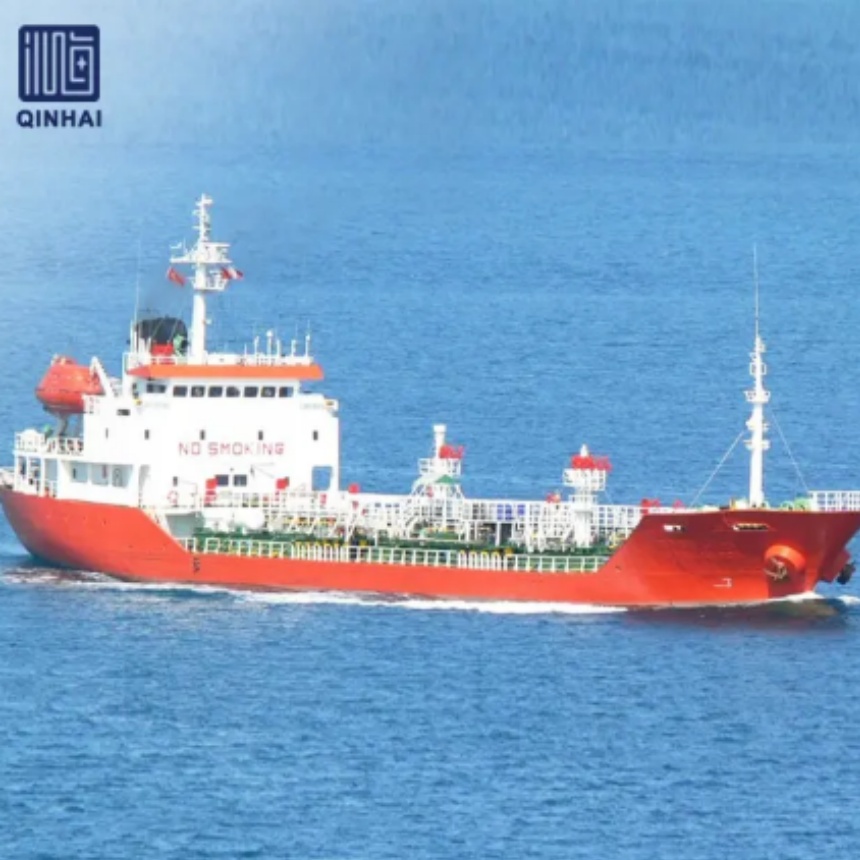
In 2020, the IMO introduced a significant environmental regulation that directly impacts oil tankers: the global sulphur cap. Under this regulation, the sulphur content in marine fuels must be reduced to 0.5% by weight, a dramatic decrease from the previous limit of 3.5%. This change was made to reduce air pollution and improve air quality by lowering the emissions of sulphur oxides, which can lead to the formation of acid rain and contribute to respiratory problems.
Oil tankers have been required to switch to lower-sulphur fuels or install exhaust gas cleaning systems (scrubbers) to comply with this regulation. The implementation of this sulphur cap has had a profound impact on fuel choice and the design of exhaust systems, with many oil tankers retrofitting their ships with scrubbers to remove sulphur from emissions, while others have opted for compliant fuels.
The sulphur cap is a prime example of how shipping regulations aim to address environmental challenges such as air pollution. By enforcing stricter limits on sulphur content, the IMO aims to significantly reduce emissions and improve the overall environmental impact of oil tankers.
Despite the best efforts to prevent oil spills, accidents can still occur. The IMO has established a set of regulations designed to minimize the risk of oil spills and to ensure quick and effective responses in case of an emergency.
The OPRC Convention outlines the responsibilities of ship operators, flag states, and coastal states in the event of an oil spill. Under the OPRC, oil tankers are required to carry an Oil Pollution Emergency Plan (OPEP), detailing the steps that must be taken to prevent and respond to spills. In addition, oil tankers must be equipped with oil spill response equipment and participate in regular spill-response drills to ensure preparedness.
After the catastrophic Exxon Valdez oil spill in 1989, regulations were introduced to reduce the risk of oil spills in the event of a hull breach. The IMO introduced the double-hull design regulation for oil tankers, requiring them to have two layers of protection around the cargo hold. This design helps to prevent oil leaks in the event of a collision or grounding, providing an added layer of safety for the environment.
The implementation of double-hull designs significantly reduces the risk of oil spills, making modern oil tankers safer for the environment.
The IMO has also introduced a series of regulations aimed at improving fuel efficiency and reducing the emissions of oil tankers. These regulations are designed to reduce greenhouse gas emissions, particularly CO2, which contribute to climate change. Under the Energy Efficiency Existing Ship Index (EEXI) and Carbon Intensity Indicator (CII) regulations, oil tankers are required to improve their energy efficiency by adopting measures such as hull modifications, improved engine performance, and the use of cleaner fuels.
The goal of these regulations is to reduce the carbon footprint of the shipping industry and promote more sustainable practices in the transport of oil and petroleum products. As the global shipping industry continues to face increasing pressure to reduce its environmental impact, these regulations will likely evolve and become more stringent over time.
Oil tankers play a vital role in the global economy by transporting oil and petroleum products across oceans. However, their environmental impact cannot be ignored. As a result, numerous regulations have been introduced to minimize the ecological footprint of oil tankers and ensure their safe operation. From the IMO’s MARPOL Convention and ballast water management protocols to sulphur cap regulations and oil spill prevention measures, these rules aim to balance the need for efficient oil transport with the protection of our marine environments.
At Qin Hai Shipping Science and Technology Co., Ltd., we are committed to ensuring that our oil tanker fleet complies with the latest environmental regulations. Our focus on sustainability and environmental responsibility guides our operations, ensuring that we meet both industry standards and our commitment to the protection of marine ecosystems. For more information on how we adhere to these regulations and to learn more about our services, please contact us directly. We are here to help you navigate the complex world of shipping while maintaining the highest environmental standards.


