
Views: 0 Author: Site Editor Publish Time: 2025-12-11 Origin: Site


In the world of maritime transport, barges play a pivotal role in the movement of bulk materials across rivers, lakes, and oceans. They are commonly used in industries such as shipping, construction, and logistics to transport goods like coal, grain, oil, and even heavy machinery. However, there are several different types of barges, and one that has gained significant attention in recent years is the LCT (Landing Craft Tank) barge.
While traditional barges have been around for centuries, the LCT barge brings a host of modern benefits that make it a highly efficient and cost-effective option for various industries. In this article, we will explore how LCT barges differ from traditional barges from a cost-effectiveness perspective, and why they are becoming increasingly popular for transporting goods in modern logistics operations.
An LCT (Landing Craft Tank) barge is a type of flat-bottomed vessel designed primarily for transporting large quantities of goods, including cargo, equipment, and vehicles, from the shore to offshore locations or between vessels. It was originally developed during World War II for military purposes, mainly for transporting tanks and other military vehicles across bodies of water. Over time, LCT barges evolved into an essential tool for civilian purposes, particularly in the shipping and logistics sectors.
Unlike traditional barges, which are typically used for river and inland waterway transport, LCT barges are specially designed to operate in shallow waters, often near shorelines or in harbors. They are equipped with a ramp or other means of loading and unloading cargo directly onto the shore or onto other vessels. This makes them ideal for situations where ports are not accessible or where direct unloading onto land is needed.
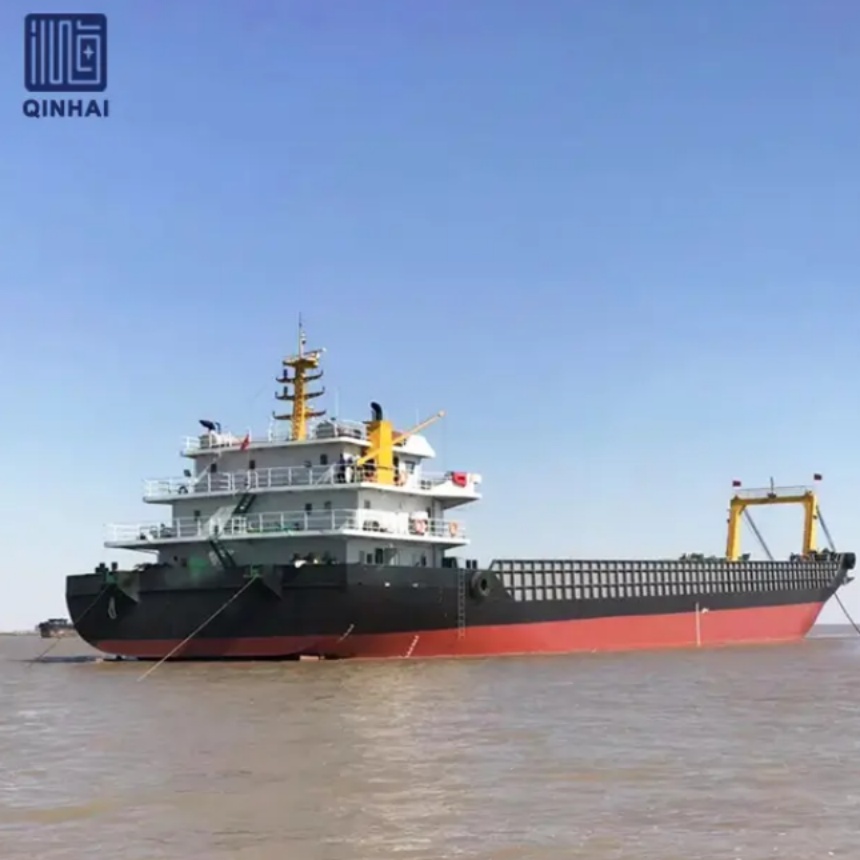
While both LCT barges and traditional barges share the same basic purpose—transporting goods—there are several key differences between them that can influence cost-effectiveness, efficiency, and overall performance. Let’s explore some of the main differences between these two types of barges.
One of the most significant differences between an LCT barge and a traditional barge is the loading and unloading process.
LCT Barge: LCT barges are specifically designed with a built-in ramp or door at the front, allowing for direct loading and unloading of goods onto shore or onto other vessels. This feature allows for more flexibility in terms of docking and unloading, as it doesn’t require specialized port facilities. This makes LCT barges particularly useful in remote or underdeveloped areas where port infrastructure may be lacking.
Traditional Barge: Traditional barges, on the other hand, typically require specialized port facilities for loading and unloading. They often rely on cranes or other equipment to offload cargo onto shore, which can be time-consuming and costly. Additionally, traditional barges may need to dock at designated ports with deeper water, limiting their access to certain areas.
From a cost-effectiveness perspective, the built-in ramp or unloading feature of an LCT barge significantly reduces the time and labor costs involved in loading and unloading. This streamlined process helps reduce overall operational expenses.
LCT barges are renowned for their versatility, making them an ideal choice for various industries requiring a high degree of operational flexibility. The unique design of LCT barges allows them to be used for a wide range of applications, from transporting heavy machinery and bulk materials to facilitating military operations and delivering humanitarian aid. This versatility is a major advantage over traditional barges, which are typically limited to specific types of cargo and environments.
LCT barges are incredibly adaptable and can be used for a variety of tasks. They are especially useful in construction projects, offshore oil rigs, military operations, and humanitarian aid deliveries. These barges can carry heavy machinery, vehicles, construction materials, and even personnel, making them invaluable in projects that require transporting large or bulky goods. Their ability to load and unload directly onto shore or onto other vessels provides unparalleled flexibility, especially in regions where conventional port infrastructure is either unavailable or not cost-effective.
The design of LCT barges allows them to operate efficiently in shallow waters, which opens up the possibility of using them in areas that traditional barges cannot reach. For instance, they can be deployed to transport supplies to areas affected by natural disasters or military zones that lack proper docking facilities. LCT barges are also crucial in industries that operate in more challenging environments, such as offshore oil platforms, where conventional barges would be inefficient or incapable of docking.
From a cost-effectiveness perspective, the versatility of LCT barges eliminates the need for multiple specialized vessels. A single LCT barge can handle a variety of cargo types, making it a more economical option for companies with diverse transport needs. The ability to operate in multiple settings—whether it’s near shorelines or in shallow waters—further reduces operational costs, as businesses don't need to rely on external infrastructure or other forms of transport.
While traditional barges are highly effective for transporting bulk materials, such as coal, grain, or petroleum, their versatility is much more limited. These barges are generally used for transporting goods along rivers, inland waterways, or between established port locations. They typically cannot operate in shallow waters, meaning they are restricted to areas with deep enough water for docking.
The inability to operate in more challenging environments, such as shallow bays or narrow waterways, reduces the operational flexibility of traditional barges. Furthermore, traditional barges often require additional support vessels or infrastructure to transfer cargo from ship to shore, adding further complexity and cost to logistics operations.
Another important difference between LCT barges and traditional barges is their mobility and accessibility. LCT barges are designed for both deep and shallow waters, allowing them to operate in areas where traditional barges might not be able to reach.
LCT Barge: The shallow draft of an LCT barge allows it to operate in areas with limited water depth, such as near shorelines or in shallow bays. This makes it ideal for projects in remote or coastal regions where larger vessels cannot operate. Additionally, the ability to load and unload directly onto land eliminates the need for a deep-water port or specialized docking equipment.
Traditional Barge: Traditional barges, while effective in deeper waterways, are typically less flexible when it comes to accessing shallow waters or working near shorelines. They require specialized docks or port facilities, which can increase costs and make them less suitable for remote or difficult-to-access locations.
From a cost-effectiveness standpoint, the ability of LCT barges to access shallow waters and operate in areas with limited infrastructure means that businesses can avoid the additional costs associated with finding suitable port facilities or having to use cranes or other equipment for unloading.
When it comes to operating costs, LCT barges often prove to be more fuel-efficient than traditional barges due to their design and operational features.
LCT Barge: LCT barges tend to have more streamlined hulls, which reduce water resistance and improve fuel efficiency. Furthermore, their shallow draft means they can operate in areas with less water resistance, reducing the amount of fuel required to transport goods. This can lead to significant savings in fuel costs, particularly on long journeys or frequent trips.
Traditional Barge: Traditional barges, especially larger ones, are often more fuel-intensive due to their bulkier design and deeper draft. They require more fuel to move through deeper waters, and because they often rely on larger port facilities for loading and unloading, additional fuel costs are incurred during the docking process.
From a cost-effectiveness perspective, the improved fuel efficiency of LCT barges can result in substantial savings over time, particularly for businesses that rely on frequent barge transport.
LCT barges offer numerous advantages over traditional barges when it comes to cost-effectiveness, efficiency, and operational flexibility. The ability to load and unload directly onto shore, their ability to operate in shallow waters, and their fuel-efficient design all contribute to their appeal for modern businesses looking to optimize their logistics operations.
Moreover, LCT barges’ versatility allows them to be used in various industries, from construction and mining to humanitarian aid and military operations. Their adaptability to different environments and cargo types makes them an essential asset for companies looking to streamline their operations and reduce costs.
When considering the most cost-effective solution for heavy material handling and transport, LCT barges offer significant advantages over traditional barges. Their advanced design, ability to operate in shallow waters, flexibility in loading and unloading, and fuel efficiency make them a smart investment for businesses involved in logistics, construction, and offshore operations.
If you are looking for high-quality LCT barges or need expert advice on how to integrate these vessels into your operations, we invite you to explore the solutions offered by Qin Hai Shipping Science and Technology Co., Ltd. With years of experience and a wide range of advanced barge models, we are ready to help you meet your transportation and logistics needs in the most cost-effective manner. Our team is here to guide you through the selection process and ensure that you make the best decision for your business.


