
Views: 0 Author: Site Editor Publish Time: 2025-12-24 Origin: Site


The transport of crude oil by sea is a critical part of the global energy supply chain. Oil tankers, often carrying millions of barrels of oil, play an essential role in the delivery of crude oil to refineries and markets worldwide. However, the oceanic transport of crude oil is fraught with numerous risks, from oil spills and environmental damage to potential collisions and technical failures. Given the immense value of the cargo and the environmental concerns associated with spills, minimizing these risks is a top priority for oil tanker operators.
The design of oil tankers has evolved significantly over the years, with a focus on improving safety and minimizing risks during transport. Modern oil tankers are built with advanced materials and structural features that enhance their durability and safety. Some of the key design aspects that help minimize risks during crude oil transport include:
One of the most important safety features in oil tanker design is the double hull. Double-hull tankers have two layers of steel—an outer and inner hull—separated by a void space. This design helps to reduce the risk of oil spills in case of an accident or collision, as the inner hull provides a secondary barrier to contain the oil. Double-hull tankers are significantly less likely to suffer catastrophic leaks compared to single-hull vessels, which have only one layer of protection.
In addition to the double hull, the space between the two layers can be used for ballast water, which helps maintain the vessel's stability during transit. The introduction of double-hull requirements by international regulators like the International Maritime Organization (IMO) has significantly reduced the number of oil spills from tankers over the years.
To further reduce the risks associated with crude oil transport, modern oil tankers are equipped with advanced cargo segregation systems. These systems divide the cargo tanks into smaller sections, allowing different grades of crude oil to be transported separately without mixing. This ensures that there is no contamination of the cargo and helps minimize the environmental impact in case of a leak. Tank monitoring systems are also integrated into the vessel's operations, allowing the crew to continuously track the status of the cargo, including the temperature, pressure, and flow rate.
This real-time data ensures that the tanker operates efficiently and can quickly respond to any operational issues that might arise during transport.
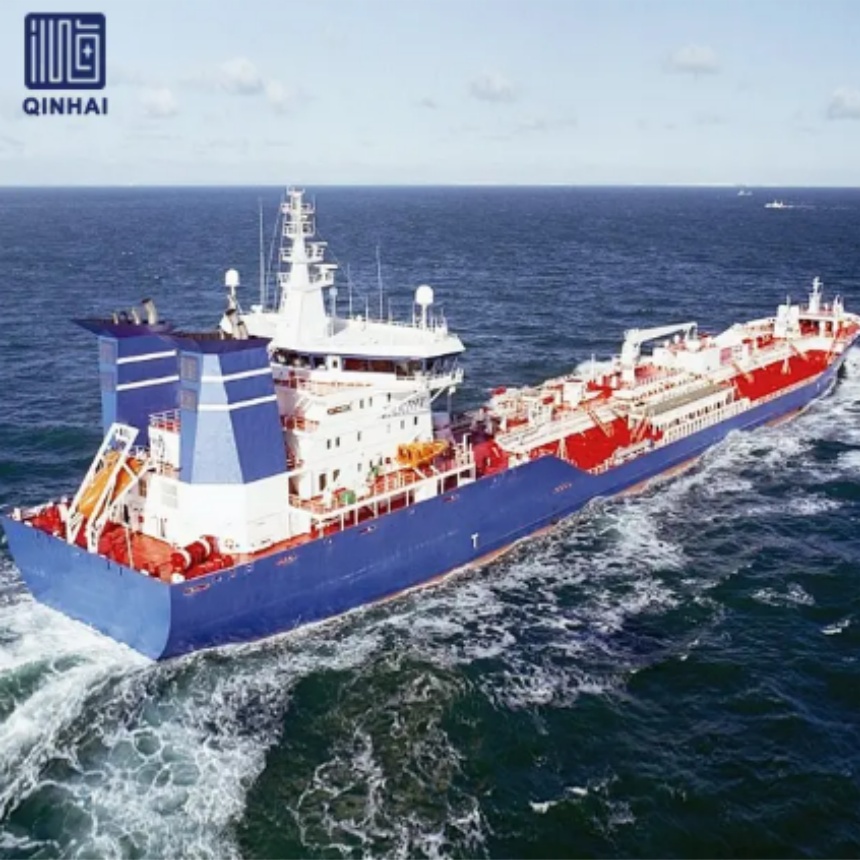
Oil tankers operate in some of the most challenging and hazardous environments, so minimizing the risk of accidents and failures is crucial. To ensure the safety of both the vessel and the environment, oil tankers are equipped with a variety of advanced safety features. These features help address potential issues such as mechanical failures, fires, leaks, or collisions, and ensure that the ship operates efficiently and safely during transport.
One of the most significant risks for oil tankers is the potential for collisions, particularly in congested shipping lanes. To reduce this risk, modern oil tankers are often equipped with collision avoidance systems. These systems utilize radar, GPS, and AIS (Automatic Identification System) technologies to monitor surrounding vessels, detect potential hazards, and provide early warnings to the crew.
These systems help oil tankers navigate busy waters safely, ensuring that the vessel maintains a safe distance from other ships. In the event of an imminent collision, the system can trigger automatic evasive maneuvers, adjusting the tanker’s speed or direction to prevent accidents. These technologies significantly reduce the likelihood of collisions and help protect the vessel, its crew, and the environment from potential spills or other damage caused by accidents.
Fires are another major risk when transporting flammable substances like crude oil. Oil tankers are equipped with fire suppression systems designed to detect and extinguish fires quickly. These systems use a combination of water, foam, and CO2 to suppress fires, especially in high-risk areas such as the cargo holds and engine rooms. Oil tankers are also constructed using fire-resistant materials in critical areas, such as the deck and cargo tanks, to minimize the risk of a fire spreading.
The fire suppression systems are designed to act swiftly, limiting damage to the ship and preventing the spread of flames that could endanger the crew or cause further safety issues. These technologies ensure that oil tankers are well-equipped to handle fire-related emergencies efficiently.
To maintain stability and prevent capsizing, oil tankers must manage their ballast water carefully. The Ballast Water Management System (BWMS) regulates the intake and discharge of ballast water, ensuring that it is treated and controlled to prevent the spread of invasive species. Ballast water is often taken from the sea to maintain the stability of the ship when it’s not carrying a full load of oil. However, when discharged in a new location, ballast water can introduce harmful organisms into ecosystems, particularly in coastal areas.
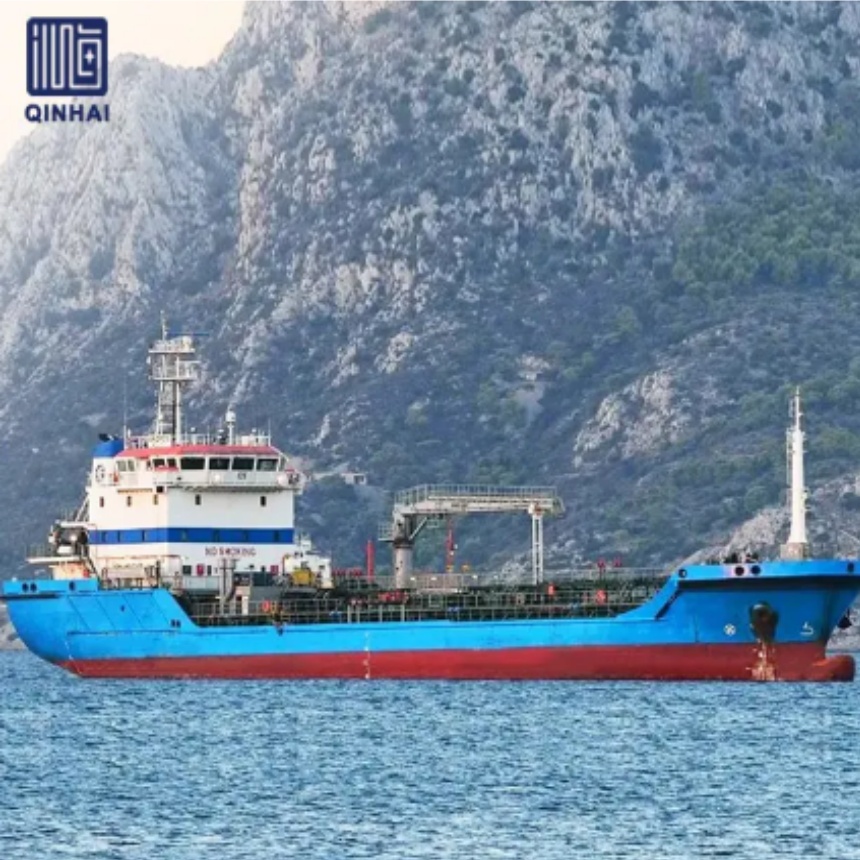
Even with the best technology and equipment, human error remains a significant risk in the operation of oil tankers. To minimize risks, oil tanker operators place a strong emphasis on crew training and operational best practices. Well-trained crews are better equipped to respond to emergencies, follow safety protocols, and operate the vessel efficiently.
Crew members undergo extensive simulation-based training that allows them to practice dealing with emergency scenarios such as oil spills, fire outbreaks, and vessel collisions. Using virtual reality (VR) and other simulation technologies, crew members can experience high-risk situations in a controlled environment and learn the appropriate responses without the pressure of a real-life crisis. This training ensures that the crew is well-prepared to handle any situation that may arise during the transport of crude oil.
Oil tankers are subject to stringent international regulations and standards aimed at reducing risks. The International Maritime Organization (IMO) sets the rules and guidelines for the construction, operation, and maintenance of oil tankers. These regulations include requirements for vessel design, safety equipment, pollution control, and crew training. Tanker operators must comply with these regulations to ensure the safe transport of crude oil and to minimize risks to the environment.
Furthermore, oil tanker operators are also required to submit to regular inspections and audits to verify compliance with international safety standards. These inspections are conducted by classification societies and regulatory authorities to ensure that the vessel is fit for operation.
Despite the rigorous safety measures in place, accidents can still occur, and oil spills remain a significant concern. To mitigate the environmental impact of a spill, oil tankers are equipped with spill containment and response systems. These systems are designed to contain and clean up any oil that escapes the vessel in the event of a leak or spill.
Modern oil tankers are designed to minimize the spread of oil in the event of a spill. Containment booms, oil skimmers, and vacuum systems are commonly used to collect spilled oil and prevent it from spreading across the ocean’s surface. These systems can be deployed quickly to contain the spill and begin the cleanup process.
Oil tanker operators are also required to have emergency response teams in place to address any oil spill that might occur during transport. These teams are trained to deploy the necessary containment and cleanup measures and are equipped with the right tools and technology to respond to a spill effectively. The teams work closely with local authorities and environmental agencies to ensure that any spill is contained as quickly as possible and that the damage to the marine ecosystem is minimized.
In addition to the traditional safety measures, the oil shipping industry is constantly adopting new technologies to further minimize risks. Innovations in artificial intelligence (AI), big data, and Internet of Things (IoT) are transforming the way oil tankers operate, making them smarter, safer, and more efficient.
For example, AI-powered predictive maintenance systems can monitor the condition of the vessel's machinery and predict potential failures before they occur. This helps operators schedule maintenance and repairs proactively, reducing the risk of mechanical breakdowns during transport. Similarly, IoT sensors are used to collect real-time data on various parameters such as pressure, temperature, and humidity, enabling operators to monitor the health of the vessel and its cargo at all times.
The transport of crude oil by sea remains a complex and high-risk operation, but with advances in vessel design, safety features, crew training, and regulatory compliance, oil tankers are safer than ever before. The adoption of cutting-edge technologies and the constant focus on environmental protection have significantly reduced the risks associated with oceanic crude oil transport. By prioritizing safety and efficiency, oil tanker operators continue to ensure the safe and sustainable movement of this vital resource.
If you're interested in learning more about the latest innovations in oil tanker technology and how we’re working to improve safety and efficiency in oil transport, please contact Qin Hai Shipping Science and Technology Co., Ltd. for further information.


