
Views: 0 Author: Site Editor Publish Time: 2026-04-22 Origin: Site


Global maritime logistics relies heavily on extreme contrasts. Over 90,000 massive commercial vessels cross the oceans daily to support global trade. However, preventing port paralysis ultimately depends on agile, concentrated power. These small yet mighty tug boats act as the actual linchpin of supply chain efficiency. They guide massive freighters through perilous channels and tight harbor berths.
The evolution from 19th-century mule-drawn canal boats to today's 27,000-horsepower vessels represents more than historical trivia. It showcases a continuous timeline of relentless engineering problem-solving. Shipbuilders constantly adapted to heavier cargo demands and tighter navigational constraints.
Understanding this mechanical progression provides the exact framework fleet operators need today. You will learn how to evaluate crucial power-to-tonnage ratios and assess modern compliance risks. We will also explore the exact criteria required to select a reliable High performance tugboats manufacturer for your modern operational demands.
Efficiency Leap: Modern tug boats have compressed port turnaround times for massive cargo ships from an average of one week down to under 24 hours.
Architectural Shift: The transition from 1930s riveted wood to welded steel and modern diesel-electric systems established the extreme power-to-tonnage requirements (2.20–4.50) used to benchmark vessels today.
Safety & Compliance: Historical incidents (like the 1993 Mauvilla disaster) fundamentally rewrote navigation and captain-certification requirements, shaping modern procurement standards.
Vendor Evaluation: Choosing a builder today requires moving beyond raw horsepower to evaluate DPS (Dynamic Positioning Systems), omnidirectional thrust capabilities, and lifecycle maintenance support.
In the early 19th century, logistics faced a massive geographical bottleneck. Moving deep-draft cargo ships through narrow, shallow, or highly congested inland waterways presented severe economic challenges. Ocean currents and shifting winds rendered traditional sails useless in tight canals. Operators relied on slow, manual methods to navigate these restricted zones. If a ship stranded in a narrow harbor inlet, it could block dozens of other vessels. This created massive financial delays across the entire shipping network.
Early inland transit heavily utilized mule-drawn canal lines. Animals walked along adjacent towpaths pulling "double headers," which consisted of four barges chained in a line. This grueling process took days to complete relatively short journeys. Animals required frequent rest, and towpath maintenance became a logistical nightmare for canal operators.
The introduction of steam power fundamentally changed waterway economics. When the steam-powered Charlotte Dundas debuted in Scotland in 1805, it proved the commercial viability of mechanical force. Transit times dropped from several days to mere hours. Operators could transport heavier loads against strong river currents without relying on animal endurance. This early mechanical intervention laid the groundwork for modern maritime logistics.
As cargo freighters grew larger, structural compression forces increased exponentially. Early builders constructed hulls entirely from wood. Wooden hulls flexed and splintered under the crushing impacts of daily operations. They required constant, expensive dry-dock repairs to maintain seaworthiness.
By the 1930s, shifting to welded steel hulls became a strict commercial necessity. Steel offered the rigid structural integrity needed to push thousands of tons safely. Moving away from early iron rivets to seamless welded steel distributed kinetic force evenly across the hull structure. This materials evolution allowed shipyards to install massive, heavy engines without compromising hull buoyancy.
Early vessel designs relied on simple steam engines and side paddlewheels. Side paddlewheels provided decent linear thrust but severely lacked maneuverability. They also widened the vessel's footprint, making tight harbor navigation difficult. Shipbuilders soon replaced them with submerged steam propellers to protect the propulsion system from dock collisions.
By the 1920s, the maritime industry eagerly adopted diesel-electric systems. This propulsion revolution allowed operators to generate massive torque instantly. The diesel engine spins a generator, which then powers independent electric motors connected to the propellers. This separates the prime mover from the propeller shaft, granting captains unprecedented throttle control in high-stakes situations.
Engineers evaluate maritime power using specific efficiency ratios. Standard commercial freighters operate at a power-to-tonnage ratio of 0.35 to 1.20. They need just enough steady power to cruise across open oceans. Conversely, tug vessels require an extreme 2.20 to 4.50 ratio. They must arrest the momentum of ships weighing tens of thousands of tons.
Modern deep-sea variants possess up to 27,000 horsepower. They deliver unparalleled torque inside a highly miniaturized footprint. Packing this much kinetic energy into a small frame represents the pinnacle of naval architecture.
Vessel Category | Typical HP Range | Target Power-to-Tonnage Ratio |
|---|---|---|
Commercial Freighter | 10,000 - 80,000+ | 0.35 - 1.20 |
Standard Harbour Tug | 2,000 - 5,000 | 2.20 - 3.50 |
Deep-Sea Salvage Tug | 10,000 - 27,000 | 3.50 - 4.50 |
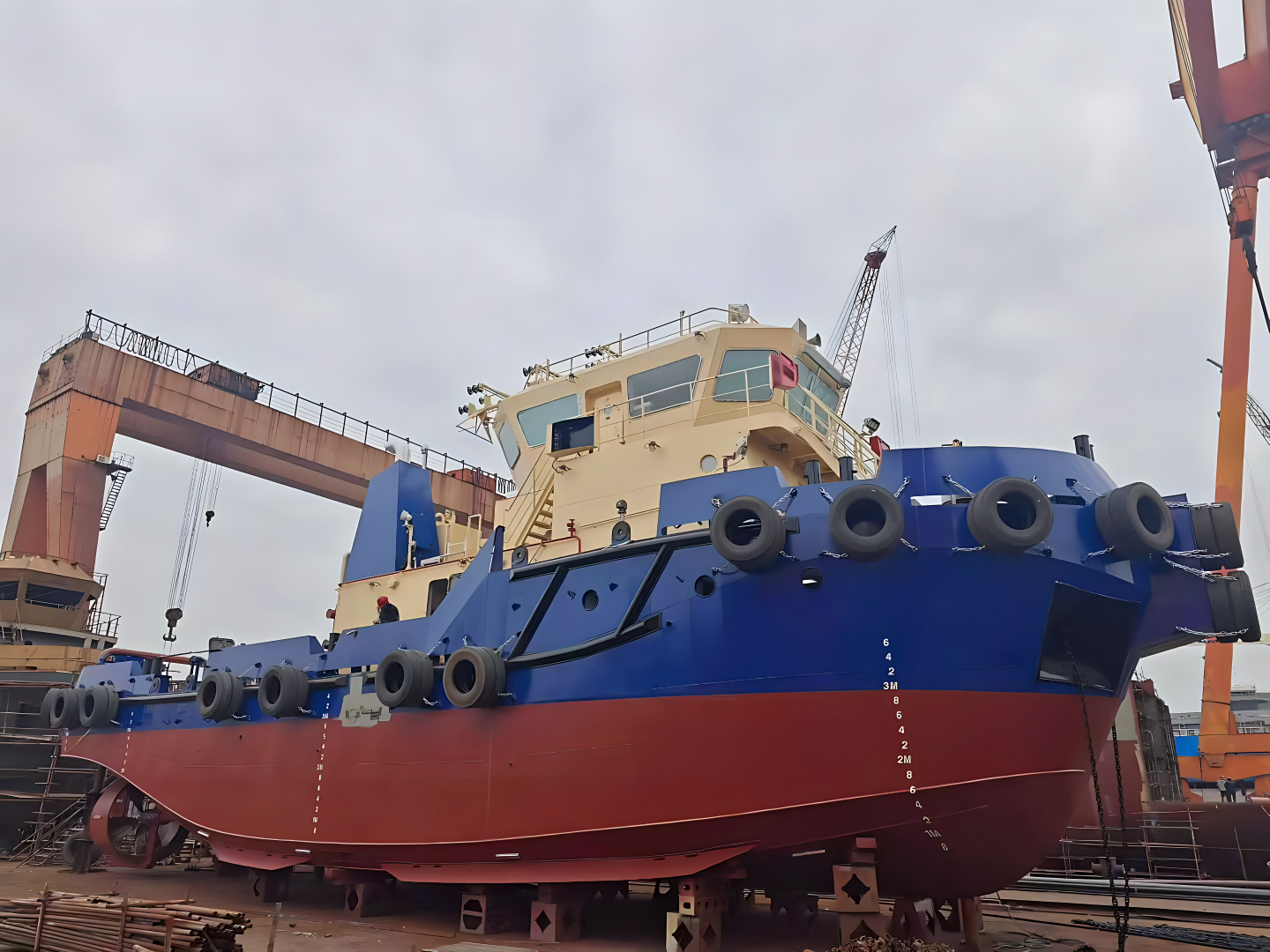
Generating extreme mechanical power creates equally extreme friction and structural stress. Manufacturers continually innovate robust hull protection mechanisms. Early crews used woven rope or discarded timber to cushion impacts between hulls. Today, heavy-duty extruded rubber fenders absorb immense kinetic energy. Builders install cylindrical, W-block, or D-fender rubber profiles around the bow and stern. These advanced materials protect both the pushing vessel and the delicate plating of the assisted cargo ship.
A vessel built for ocean swells will perform terribly in a shallow river canal. Operators must match the architectural design strictly to their unique environmental hazards.
Harbour operations demand extreme, pinpoint maneuverability. These vessels feature high beam-to-length ratios to maximize lateral stability. They frequently utilize omnidirectional thrusters, such as Cyclorotors, allowing them to thrust in any direction instantly without turning the hull.
Captains assisting mega-ships face severe capsizing risks if the towline pulls them sideways. Advanced anti-capsize systems, like the Dutch-engineered Carousel design, solve this problem. The Carousel features a free-rotating towing ring mounted around the superstructure. It prevents the vessel from tripping over its own center of gravity during heavy side-loads.
River environments dictate entirely different structural requirements. Towboats feature uniquely flat bows and heavy push knees. They lack traditional towing winches because they push barges rather than pulling them. Builders optimize them strictly for line-haul pushing in constrained draft environments. They navigate shallow waters safely while pushing immense cargo loads upriver.
Offshore models handle deep-water salvage, oil rig positioning, and long-haul transport. They endure brutal weather and massive open ocean swells. You must carefully consider the mechanical connection utilized when pairing them with ocean barges:
ATB (Articulated Tug and Barge): Features a hinged mechanical connection. It allows independent pitching in rough seas while maintaining forward push.
ITB (Integrated Tug and Barge): Uses a rigid, locked connection. Maritime law often classifies ITBs as single independent ships. This classification heavily alters regulatory oversight and crew staffing requirements.
Vessel Type | Defining Architectural Feature | Primary Operational Environment |
|---|---|---|
Harbour | Omnidirectional Cyclorotors, Carousel systems | Deep-water ports, congested harbors |
River (Towboat) | Flat bow, heavy push knees, no rear winch | Shallow inland waterways, canal locks |
Seagoing | Deep-v hulls, ATB/ITB integration locks | Open ocean, offshore oil platforms |
Buying modern tug boats requires far more than checking basic engine specs. Fleet managers must look beyond raw "Bollard pull" metrics. Modern operations require integrated Telematics for real-time remote engine monitoring. You should demand Dynamic Positioning Systems (DPS). DPS uses satellite data to automate thrusters, holding the vessel precisely in heavy currents.
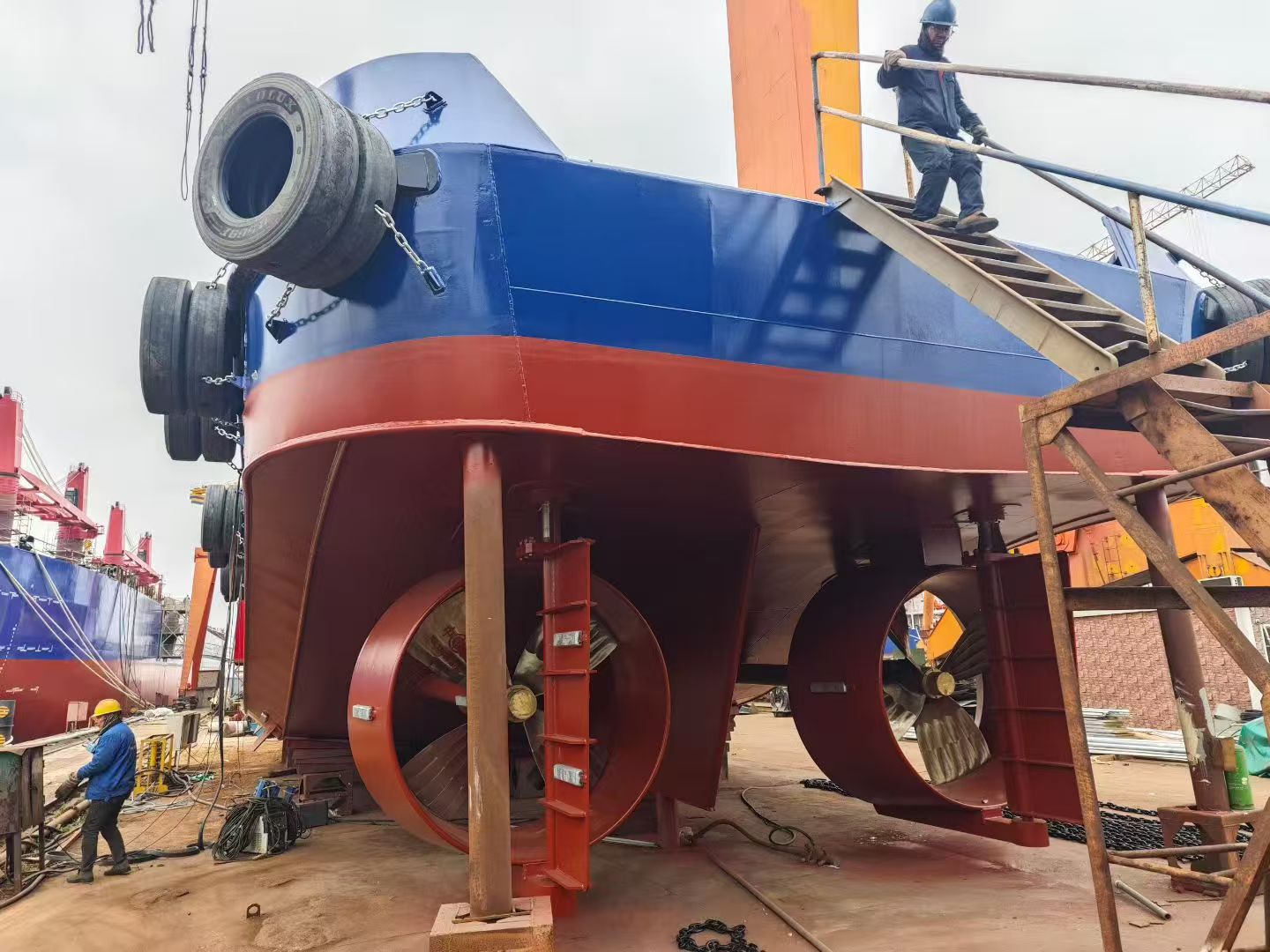
You also need Kort nozzle propulsion. A Kort nozzle surrounds the propeller blades inside a hydrodynamically shaped shroud. This shroud prevents water from slipping off the blade tips, maximizing linear thrust and significantly boosting fuel efficiency during heavy pushing.
Ignoring modern safety and navigation standards carries devastating human and financial costs. The 1993 Mauvilla disaster serves as a dark historical pivot point for the entire industry. A towboat captain strayed off course in dense fog without a working radar. The vessel pushed its barges into a critical rail bridge support. The resulting collision caused the Sunset Limited passenger train to derail into the water, resulting in massive fatalities.
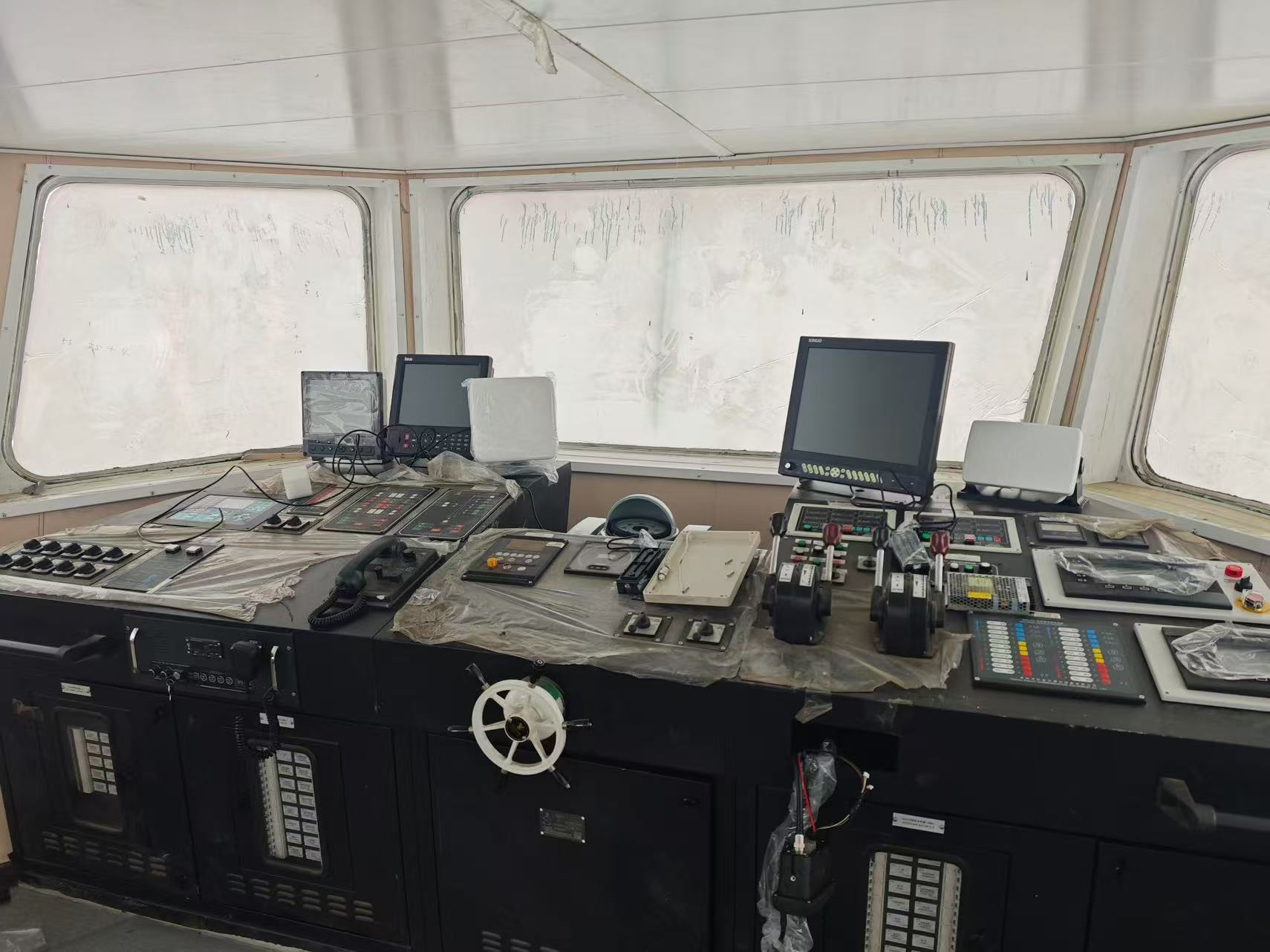
This tragedy made advanced navigational equipment non-negotiable. Modern fleets must deploy digital compasses, integrated radar, and automated warning systems. Regulators enacted stringent captain licensing standards immediately following the disaster. Safety compliance dictates every procurement conversation today, preventing amateur operations from risking public infrastructure.
Selecting the right shipyard dictates your fleet's future reliability. You need a partner capable of executing complex engineering flawlessly.
Always demand clear evidence of successful deployments. A premier High performance tugboats manufacturer must prove they build durable assets for your specific environment. Designing vessels for icy deep-sea rescue differs vastly from constructing shallow-draft towboats for muddy inland rivers. Check their historical launch records and speak directly to previous buyers.
A competent builder balances customization against scalable standardization. Base standardized architectures ensure reliable part replacement worldwide. If an engine component fails in a foreign port, standardized parts prevent month-long delays. However, the builder must also offer modular upgrades. Inland operators frequently request hydraulic elevating pilot houses. These lifting cabins allow captains to see over massive cargo stacks, then lower instantly to pass under low-clearance canal bridges.
Assess the builder's capability to integrate sophisticated software. Mechanical brawn means nothing without digital oversight. Real-time engine monitoring prevents unexpected offshore breakdowns. Predictive maintenance software analyzes vibration and temperature data to schedule part replacements before catastrophic failures occur. This keeps vessels active and generates higher revenue.
Follow a structured, evidence-based approach when beginning your procurement journey:
Define minimum Bollard pull requirements based on local tidal currents and typical freighter displacements in your target port.
Request detailed compliance documentation to ensure the hull design meets specific maritime jurisdictions (e.g., USCG or classification societies like RINA).
Confirm the availability of long-term parts support and global maintenance networks.
Evaluate fuel capacity limits to guarantee the vessel can complete demanding offshore operations without emergency refueling.
Tug boats evolved remarkably from experimental steam paddleboats into highly specialized, digitally monitored powerhouses. They act as the ultimate linchpin of global supply chain efficiency. Without their immense power, modern mega-ships would remain completely paralyzed outside harbor walls.
That is why treating tug boat procurement as a strategic infrastructure investment—rather than a simple commodity purchase—makes all the difference for long-term operational success. The most reliable results come from a disciplined approach: start by auditing your current fleet's port turnaround times to identify where mechanical bottlenecks occur, then work closely with marine engineers to specify a vessel that matches your true operational demands. Prioritize builders that can demonstrate extreme power-to-tonnage reliability under harsh conditions, and always verify safety compliance records before signing any agreement.
When you evaluate tug boats for sale, choosing a shipyard that builds only new vessels ensures you receive a clean, customized asset with full warranty and modern engineering. Qinhai Shipyard is exactly that kind of partner—a professional shipyard focused on new construction, delivering vessels tailored to your environment without the unknowns of used equipment or third-party leasing.
A: Modern models operate at an extreme 2.20 to 4.50 ratio. Standard commercial freighters only reach 0.35 to 1.20. This massive disparity exists for a critical reason. These vessels must generate incredible torque to push or stop ships weighing tens of thousands of tons within very short distances. They require specialized engineering to translate massive horsepower into usable pulling force without tearing the hull apart.
A: An Articulated Tug and Barge (ATB) uses a hinged mechanical connection. This allows independent pitching in rough ocean swells. An Integrated Tug and Barge (ITB) uses a rigid, locked connection. Maritime law often classifies an ITB as a single, unified ship. This classification heavily alters regulatory oversight, insurance obligations, and mandatory crew staffing requirements. Operators must choose the correct system based on their specific operating conditions.
A: The 1993 Mauvilla disaster occurred when a towboat lost its bearings in heavy fog. It struck a railway bridge support, causing a fatal passenger train derailment. This horrific tragedy forced industry-wide regulatory changes. Authorities mandated advanced navigational technology, including integrated radar and digital compasses. It also triggered much stricter credentialing and licensing requirements for all commercial operators on inland waterways.
A: You should look for proven safety records and successful deployments matching your specific operational environment. Require advanced propulsion options, such as Kort nozzles or Cyclorotors, to maximize thrust. Ensure the builder provides excellent post-delivery lifecycle support. They must also possess the capability to integrate digital telematics for real-time engine monitoring and predictive maintenance. Avoid treating this procurement as a basic commodity purchase.


