
Views: 0 Author: Site Editor Publish Time: 2026-07-08 Origin: Site


Marine logistics forms the backbone of offshore energy and construction operations. Vessel downtime translates directly to lost operational revenue. Capability mismatches cause severe project delays and safety hazards. Matching specific offshore project requirements demands absolute precision. Deepwater drilling, offshore wind installation, and subsea construction require exact vessel specifications. You must evaluate dynamic positioning capabilities and payload capacities carefully.
This article provides a technical procurement framework for industry professionals. Fleet operators and project managers will learn how to evaluate vessel classes effectively. We will explore how to vet builders and optimize fleet deployment. You will gain actionable insights to secure the right maritime assets for your offshore campaigns.
Vessel-to-Mission Alignment: Selecting the right offshore supply vessel requires mapping deck space, below-deck tank capacities, and dynamic positioning (DP) class directly to the project's environmental harshness and supply frequency.
Shipyard Vetting is Critical: Evaluating a shipyard offshore vessel build requires analyzing the manufacturer’s track record with classification societies (e.g., DNV, ABS) and their adherence to delivery timelines.
Regulatory & Emission Pressures: Modern procurement must account for tightening emissions regulations (such as IMO CII and EEXI targets), making hybrid propulsion and alternative fuels (LNG, methanol) critical factors in long-term asset viability.
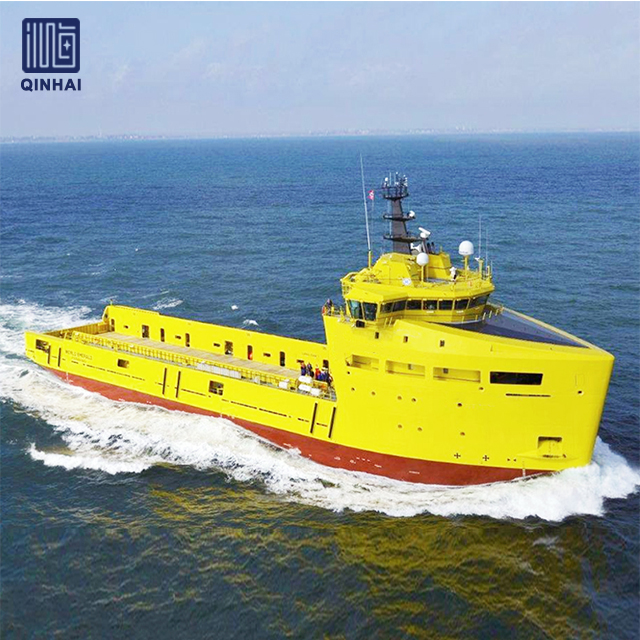
You must understand exactly what an offshore supply vessel does. It is a specialized ship designed to transport cargo, goods, supplies, and personnel. These vessels service offshore installations like oil platforms and wind farms. They operate in some of the harshest marine environments globally. The hull design prioritizes seakeeping and cargo capacity over transit speed. A wide beam provides stability during loading operations at sea. The forward superstructure protects the crew and bridge equipment from heavy weather. The expansive aft deck remains clear for oversized cargo.
The modern marine support vessel has evolved significantly. Early versions were basic transport boats with limited capabilities. Today, they are highly sophisticated, multi-role assets. They feature advanced station-keeping systems and subsea intervention capabilities. Automated cargo handling improves safety and operational efficiency. Integrated bridge systems consolidate navigation, propulsion, and cargo control into a single interface. This integration reduces crew workload and minimizes human error during complex maneuvers.
The green transition heavily impacts modern fleet requirements. A modern OSV vessel must balance heavy-duty freight capacity with decarbonization mandates. Clean-technology supply chains demand lower emissions and higher efficiency. Operators face strict regulations regarding fuel consumption and carbon output. Hull forms now incorporate bulbous bows and optimized waterlines to reduce drag. Variable frequency drives control thruster motors, matching power output to exact demand.
You measure a successful deployment through specific operational metrics. Payload efficiency dictates how much cargo reaches the platform per trip. Fuel consumption rates directly impact daily operating expenses. Safety records determine insurance premiums and contract eligibility. The vessel must maintain operations during adverse weather windows. High-capacity mud pumps and dedicated dry bulk compressors ensure rapid discharge rates. Faster discharge means less time spent loitering near the rig.
Below-deck tank configurations dictate the vessel's versatility. Dedicated tanks hold drill water, potable water, and fuel oil. Specialized tanks handle liquid mud and brine. These mud tanks require continuous agitation to prevent solids from settling. Dry bulk tanks utilize compressed air to fluidize and transfer cement and barite. The piping systems must prevent cross-contamination between different fluid types. Stainless steel piping often handles corrosive completion fluids.
Deck strength is a primary limiting factor for cargo operations. Standard deck loading capacities range from 5 to 10 tons per square meter. Heavy-duty wooden sheathing protects the steel deck from impact damage. Flush-mounted securing sockets allow crews to lash down pipes and containers safely. High bulwarks protect the cargo from boarding seas. Safe haven areas provide the deck crew with immediate shelter during heavy lifts.
Platform Supply Vessels (PSVs) handle high-capacity transport tasks. They move deck cargo like pipes and heavy equipment. Below deck, they carry bulk liquids including drilling mud, cement, and fuel. You evaluate PSVs by comparing deck area against deadweight tonnage. A larger deck area allows for more efficient cargo segregation. High deadweight tonnage ensures the vessel can carry maximum liquid volumes without compromising stability.
Anchor Handling Tug Supply (AHTS) vessels perform heavy towing operations. They tow drilling rigs and handle massive anchor chains. These ships often serve as emergency rescue and recovery vessels. You evaluate them based on bollard pull capacity and winch specifications. A high bollard pull rating indicates superior towing power. Heavy-duty winches manage thousands of meters of wire rope and chain. Stern rollers facilitate the safe recovery of anchors over the aft deck.
Multi-Purpose Support Vessels (MPSVs) handle complex underwater tasks. They support subsea construction and remotely operated vehicle operations. They also perform routine offshore maintenance. You evaluate them by checking crane heave compensation and moonpool dimensions. Active heave compensation keeps suspended loads stable despite vessel motion. Moonpools allow equipment deployment directly through the hull, protecting it from surface waves.
Offshore Wind Support Vessels service the renewable energy sector. They handle wind farm turbine maintenance and personnel transfer. They also support turbine component installation. You evaluate them based on motion-compensated gangways and hull stability. Walk-to-work gangways provide safe access to turbines in rough seas. Catamaran hull designs offer superior stability during personnel transfers. High transit speeds reduce travel time between the shore base and the wind farm.
Vessel Class | Primary Function | Key Evaluation Metrics | Typical Operating Environment |
|---|---|---|---|
PSV | Cargo and liquid transport to platforms | Deck area (sqm), Deadweight tonnage | Deepwater and shallow water fields |
AHTS | Rig towing and anchor handling | Bollard pull, Winch capacity | Harsh weather, deepwater mooring |
MPSV | Subsea construction and ROV support | Crane heave compensation, Moonpool size | Subsea infrastructure sites |
Wind Support | Turbine maintenance and personnel transfer | Walk-to-work gangways, Transit speed | Offshore wind farms |
Selecting the correct vessel type requires a detailed operational analysis. You must define the primary mission profile before reviewing specifications. Consider the following factors when evaluating vessel classes:
Determine the maximum required deck load for your heaviest equipment.
Calculate the total volume of liquid mud and dry bulk needed per trip.
Assess the environmental conditions of the operating area, including wave height and wind speed.
Identify any specialized requirements, such as ROV support or heavy lifting.
Evaluate the distance between the shore base and the offshore installation.
Dynamic Positioning (DP) systems control vessel stability without anchors. DP1 provides basic automated positioning with no redundancy. DP2 offers redundancy for standard rig supply operations, ensuring a single fault does not cause position loss. DP3 provides maximum redundancy for close-quarters subsea construction, featuring physically separated backup systems. You must match the DP class to your project's risk profile. Operating near a manned production platform strictly requires DP2 capability.
Below-deck cargo systems require careful evaluation. You must verify the segregation of tanks for dry bulk and liquid mud. Brine and potable water need dedicated, clean storage. Ensure the vessel's pumping discharge rates align with the receiving platform. This alignment minimizes turnaround time at the rig. High-capacity centrifugal pumps handle liquid transfers efficiently. Dedicated stripping pumps ensure tanks are completely emptied, preventing cargo contamination.
Propulsion systems dictate long-term operational viability. Diesel-electric systems offer reliable, standard performance by running generators at optimal loads. Hybrid-battery setups reduce fuel consumption during standby operations by handling peak power demands. Alternative fuels like LNG and methanol ensure regulatory compliance. These choices improve Carbon Intensity Indicator ratings. Azimuth thrusters provide 360-degree thrust vectoring, essential for precise dynamic positioning.
Smart systems and digitalization optimize fleet management. AI-driven route optimization reduces transit times by analyzing weather and current data. Autonomous collision avoidance systems improve navigational safety in congested waters. Digital twin technology allows for predictive maintenance scheduling. These tools minimize fuel waste and reduce unplanned downtime. Continuous data logging provides a clear audit trail for operational performance and environmental compliance.
The integration of these technical features directly impacts operational outcomes. A well-equipped vessel completes missions faster and safer. Consider these technical outcomes during your evaluation:
Redundant DP systems prevent catastrophic collisions with offshore infrastructure.
High-capacity cargo pumps reduce the time spent exposed to hazardous weather near the rig.
Hybrid propulsion systems significantly lower daily fuel consumption and emissions.
Predictive maintenance software prevents unexpected equipment failures during critical operations.
Advanced bridge systems reduce operator fatigue during extended station-keeping tasks.
Selecting a shipyard offshore vessel builder requires strict due diligence. You must evaluate their drydock capacity and steel-cutting technology. Assess their supply chain resilience for critical components like engines. A reliable yard prevents catastrophic project delays. Inspect their block assembly methods and welding automation capabilities. High-quality welding ensures hull integrity in harsh marine environments. Review their history of delivering similar vessels on schedule.
Classification society compliance is non-negotiable. Builders must adhere to standards set by ABS, DNV, or Lloyd's Register. Proper classification ensures structural integrity and operational safety. This compliance directly impacts your insurance premiums and charterability. The classification society reviews all engineering drawings before construction begins. Their surveyors inspect the vessel continuously throughout the build process. They verify that all materials and equipment meet rigorous marine standards.
Contractual security protects your capital investment. Shipbuilding contracts require robust Refund Guarantees. You must establish strict milestone payment structures. Include liquidated damages clauses for performance shortfalls. Align all terms with standard BIMCO clauses. Define clear parameters for sea trials and factory acceptance tests. Ensure the contract specifies the exact make and model of critical equipment. This prevents the shipyard from substituting inferior components.
Lifecycle maintenance determines long-term asset value. Assess the offshore vessel manufacturer for global service networks. Verify their spare parts availability across your operational regions. Check their capability to integrate digital twin technology for maintenance. A strong after-sales support system minimizes operational downtime. Request documentation on their warranty claim process and response times. Evaluate their training programs for your crew regarding new onboard systems.
The vetting process should include physical inspections of the shipyard facilities. Do not rely solely on marketing materials. Conduct a thorough audit of their quality control procedures. Verify their environmental and safety certifications. Speak with previous clients to gauge their satisfaction with the delivered vessels. A reputable builder will transparently share their track record and facilitate client references.
Supply chain delays present a massive risk to deployment. Shipyard delays cause missed charter windows and lost project bids. You must implement strict milestone-based penalty clauses. Require transparent, real-time project management reporting from the builder. Monitor the delivery schedules of critical long-lead items like engines and thrusters. Establish alternative sourcing plans for secondary equipment. Maintain regular communication with the shipyard's project management team.
Technological obsolescence threatens long-term asset value. Investing in traditional diesel propulsion carries regulatory risks. Regional carbon taxes and green-tech policies are expanding rapidly. Specify alternative-fuel ready designs to allow for future retrofitting. Ensure the hull design accommodates the installation of battery racks or alternative fuel tanks later. Select modular equipment that can be upgraded without major structural modifications.
Contractual and performance disputes often arise during handover. The built vessel might fail to meet specific speed metrics. Cargo discharge rates might fall short of contractual promises. Integrate rigorous sea trials and independent marine surveyor verification. Define the exact testing protocols in the initial contract. Require the shipyard to rectify any deficiencies before signing the final acceptance protocol. Hold back a percentage of the final payment until all warranty issues are resolved.
Crew familiarization presents another significant implementation risk. Modern vessels feature highly complex integrated systems. Inadequate training leads to operational errors and equipment damage. Mandate comprehensive training programs from the equipment manufacturers. Utilize bridge simulators to train officers on the specific DP system installed. Ensure the engineering crew understands the maintenance requirements of hybrid propulsion setups.
Regulatory changes during the construction phase can impact the final design. New environmental mandates might require equipment modifications before delivery. Maintain a close relationship with the classification society to anticipate rule changes. Include clauses in the shipbuilding contract that address how regulatory modifications will be handled. Allocate a contingency budget to cover unexpected compliance upgrades.
Procuring maritime assets requires balancing immediate payload needs with long-term compliance. You must prioritize operational flexibility and environmental policies. Follow these actionable steps to secure the right vessel for your fleet:
Define your primary mission parameters before contacting any shipyard.
Determine the exact DP class required by your operational environment.
Engage independent marine architects to review all technical specifications.
Execute comprehensive requests for information with shortlisted shipyards.
Mandate strict performance warranties in your final shipbuilding contracts.
A: OSV is the umbrella term for all offshore support craft. A Platform Supply Vessel (PSV) is a specific type of OSV. PSVs are dedicated primarily to transporting deck cargo and bulk liquids to offshore installations.
A: Evaluation depends heavily on vessel size, DP class, and propulsion type. Standard designs require different assessments than custom subsea support vessels. You must factor in advanced automation systems and alternative fuel readiness when reviewing the technical specifications.
A: Dynamic positioning is a computer-controlled system. It uses propellers and thrusters to maintain the vessel's exact position and heading. This allows the ship to operate safely near rigs without dropping anchors.
A: Prioritize yards with proven classification society approvals. Check their historical on-time delivery rates. Ensure they offer robust refund guarantee structures and demonstrate strong financial stability throughout the build process.
A: The standard operational lifecycle is 20 to 25 years. This lifespan factors in mandatory mid-life refits. The harsh marine environment significantly impacts hull integrity, requiring strict adherence to maintenance schedules.
A: Yes, they are critical to offshore wind operations. Specialized variations like Service Operation Vessels support turbine maintenance. They utilize motion-compensated gangways to safely transfer personnel to wind turbines in rough seas.


