
Views: 0 Author: Site Editor Publish Time: 2026-04-08 Origin: Site


Tug boats are more than just vessels; they are essential assets in maritime operations. Modern large ships often lack low-speed maneuverability, making tug boats critical for safe navigation, berthing, and port efficiency. Understanding the primary applications of tug boats helps fleet operators, port managers, and maritime professionals optimize operations and minimize risks.
Tug boats support port efficiency and maritime safety by providing external control for large vessels.
Applications dictate design: harbor, seagoing, and river operations require different propulsion and hull setups.
Performance evaluation focuses on continuous bollard pull, propulsion type, and onboard safety systems.
Choosing the right tug boats for sale depends primarily on its intended operational use rather than just technical specifications.
Large cargo ships, tankers, and container vessels lose steering authority at very low speeds, especially in congested ports and narrow channels. Tug boats guide them safely to their berths, pushing or pulling as necessary.
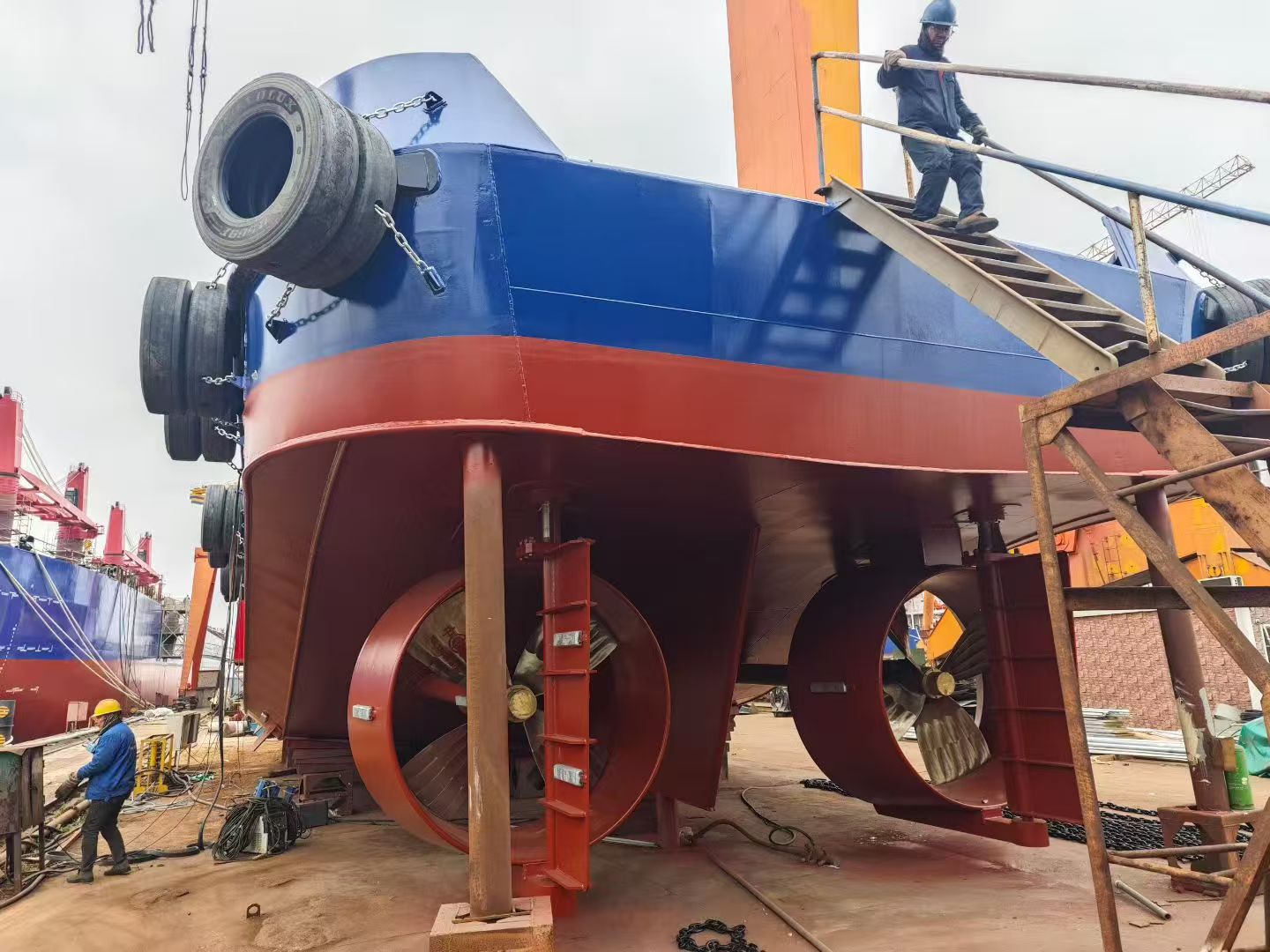
High maneuverability is essential. Harbor tugs, often equipped with Azimuthal Stern Drives (ASD) or tractor propulsion, provide 360-degree control, enabling precise docking and efficient turnaround. These maneuvers reduce delays and improve overall port throughput.
Transporting liquefied natural gas (LNG), liquefied petroleum gas (LPG), or other volatile materials requires extreme caution. Escort tugs provide continuous guidance, correcting course if the main vessel loses power.
They monitor environmental risks, acting as a frontline defense against leaks or accidents. Regulatory authorities often mandate these tugs to protect sensitive coastal ecosystems during hazardous cargo operations.
Ocean-capable tugs relocate unpowered vessels, offshore platforms, and barges over long distances. Continuous pulling power is required to counter ocean currents and harsh weather.
Seagoing tugs have deep drafts, reinforced hulls, and high-capacity engines. Bollard pull ratings ensure the vessel can tow safely under sustained load. These tugs are essential for offshore oil rigs, large barges, and distressed ships.
In shallow rivers and canals, towboats maneuver barge fleets efficiently. Flat bows and shallow drafts prevent grounding, while structural strength allows for safe pushing of heavy loads.
These tugs focus on control and stability rather than speed, ensuring smooth inland waterway operations.
During maritime crises, tug boats act as rapid-response units. Equipped with firefighting systems, high-capacity water cannons, and towing winches, they suppress fires, refloat stranded ships, and minimize environmental damage.
Emergency tugs combine speed, robustness, and safety redundancy to handle critical situations effectively. Partnering with a high performance tugboats manufacturer ensures vessels meet these demanding operational standards.
| Type | Primary Operating Environment | Key Features | Dominant Propulsion |
|---|---|---|---|
| Harbor Tugs | Congested ports and terminals | High maneuverability, compact hull | ASD / Tractor Thrusters |
| Seagoing Tugs | Open ocean & offshore | Deep draft, reinforced hull | Twin-screw / High-capacity engines |
| River Tugs | Rivers and inland canals | Shallow draft, flat bow, strong pushing capability | Conventional propellers / Flanking rudders |
When sourcing a tug boat, operators must evaluate multiple technical and operational factors to ensure the vessel meets the intended application.
Propulsion and Steering: The choice of propulsion system directly affects maneuverability. ASD (Azimuthal Stern Drive) or Z-drive systems provide omnidirectional thrust, allowing precise control during port navigation and docking. Conventional twin-screw or propeller setups are suitable for simpler open-water towing but may lack agility in confined spaces. Understanding the operational environment is crucial when selecting the correct propulsion type.
Bollard Pull: Continuous bollard pull ratings indicate the vessel's sustained pulling capacity under operational load. Operators should verify that the tug boat can maintain consistent power during extended towing or emergency maneuvers, rather than relying on short-term peak ratings. Matching bollard pull to vessel size and cargo weight prevents operational delays and ensures safety.
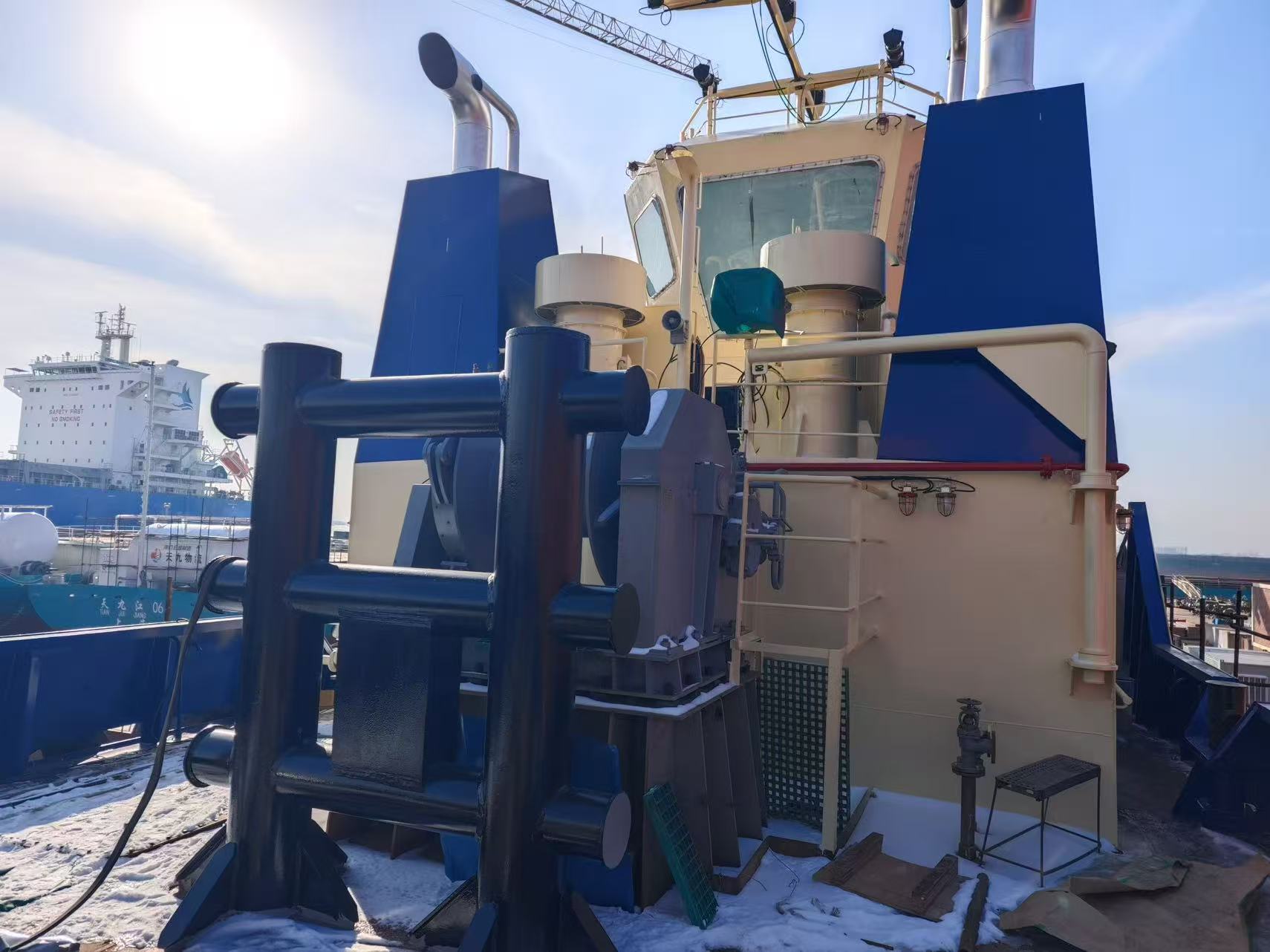
Hull Protection: Tug boats frequently come into contact with other vessels during pushing or docking operations. Durable fendering and reinforced hull structures reduce wear and prevent accidental damage to both the tug and assisted vessels. Proper hull protection is critical for maintaining long-term operational integrity and minimizing repair costs.
Safety Systems: Reliability is essential in maritime operations. Tug boats should be equipped with dual engines, redundant steering, and emergency systems to handle mechanical failures or unexpected conditions. These systems allow the vessel to operate safely under high-stress situations, such as emergency salvage, firefighting, or escorting hazardous cargo.
Customization: Each port, river, or offshore environment has unique requirements. Draft depth, hull profile, propulsion type, and onboard equipment must be tailored to the intended operational scenario. A high degree of customization ensures the tug can perform efficiently, even in challenging or restricted conditions.
A reputable Tug Boat manufacturer provides:
Customization for local port or river conditions.
Accurate matching of bollard pull and propulsion systems.
Structural and safety redundancy.
Comprehensive post-sale support, including training and maintenance.
Selecting the right supplier ensures operational continuity and asset longevity. Qinhai Shipyard is a professional shipyard that builds only brand‑new vessels. When you explore tug boats for sale, you are sourcing directly from a high performance tugboats manufacturer that delivers new construction tailored to your operational needs.
Q: How is bollard pull measured?
A: True bollard pull is measured by connecting the tug to a fixed bollard with a dynamometer at zero forward speed, running engines at maximum continuous rating.
Q: What is the difference between a conventional tug and an ASD tug?
A: Conventional tugs use fixed propellers and rudders, limiting maneuverability. ASD tugs have 360-degree rotatable thrusters for omnidirectional movement and precise control.
Q: What should I consider when buying a tug boat?
A: Evaluate operational environment, continuous bollard pull, propulsion type, safety systems, and long-term durability.


