
Views: 0 Author: Site Editor Publish Time: 2026-04-29 Origin: Site


Selecting the right maritime asset remains a high-stakes decision for marine construction, fleet expansion, and daily port operations. You need reliable vessels to move massive payloads across unpredictable aquatic environments safely. Unfortunately, confusing vessel capabilities often leads to compromised safety, strict regulatory non-compliance, and highly inefficient project execution. Misclassifying a shallow-draft pusher for an open-ocean tow can place both your crew and cargo at catastrophic risk.
This article provides a rigorous, engineering-focused breakdown to help you evaluate and choose between towboats and tugboats. We will explore how operational environments, structural designs, and specific towing methodologies strictly dictate your best maritime option. You will learn to navigate the structural complexities of hull specifications, evaluate propulsion types, and assess deployment scenarios. Mastering these nuances ensures you maintain highly efficient and safe maritime operations across any waterway.
Operational Direction: Despite the counterintuitive names, towboats almost exclusively *push* barges (referred to as "the tow"), while tug boats have the versatility to both push and pull.
Hull Design & Draft: Tug boats feature deep V-hulls and watertight designs for open-ocean stability, whereas towboats utilize flat-bottomed, shallow-draft hulls for inland waterways.
Connection Mechanisms: Towboats rely on "push knees" for rigid, Mississippi-style towing, whereas tug boats utilize marine rubber fenders and long tow lines for flexible, shock-absorbing maneuvers.
Procurement Logic: Choosing a vessel requires matching the project location (inland vs. ocean) with the correct propulsion type (Conventional, Tractor, or ASD).
Procurement managers often fall victim to a confusing industry paradox. They assume a towboat naturally pulls its cargo. In reality, towboats do not pull. The confusing name originates entirely from the cargo itself. In maritime logistics, a linked group of barges is collectively called "the tow." Therefore, a towboat is simply the vessel pushing the tow forward.
Unlike their inland counterparts, tug boats deliver true operational duality. They are designed to execute direct towing. This involves pulling dead ships or massive barges using heavy hawsers. They also perform indirect towing. In this mode, operators alter a larger vessel's heading using powerful stern thrust. Furthermore, they can execute direct pushing. They accomplish this using high-impact marine rubber fenders to absorb massive physical shocks during tight port maneuvers.
Towboats serve a highly specialized role. They provide controlled, forward propulsion for massive barge flotillas. Operators deploy them almost exclusively in narrow or restricted channels. Because they rigidly lock onto their cargo, they act as a single, massive rudder. They steer thousands of tons of cargo around tight river bends efficiently. They lack the deck hardware to pull loads securely behind them.
The physical environment dictates every aspect of vessel engineering. You can easily spot the difference by examining hull geometry.
Tug Boats: Engineers design these vessels using a "model bow." This pointy bow slices through heavy waves. They feature a deep hull to maintain stability in open swells. Builders install watertight doors and heavy longitudinal bulkheads. These elements maintain structural integrity during violent sea states.
Towboats: These vessels feature a distinct squared-off bow. They utilize a flat-bottomed hull design. This engineering choice prioritizes shallow-water maneuverability. They navigate calm inland waterways where wave-piercing capabilities are entirely unnecessary.
How a vessel physically connects to its payload fundamentally changes its operational risk profile. Towboats rely on heavy-duty steel "push knees." Compressed rubber pads face these knees to prevent metal-on-metal damage. Crews use heavy facing wires to lash the towboat tightly against the barge. This creates a rigid lock known as the Mississippi Towing Style. It turns the entire flotilla into one steering unit.
Open-ocean towing requires a completely different approach. Rigid connections shatter under the extreme dynamic tension of ocean swells. Therefore, ocean-going tugs maintain a massive safety buffer. They often deploy tow lines extending thousands of feet. This flexible connection allows the towing vessel and the barge to ride different wave frequencies safely.
Feature | Towboats | Tug Boats |
|---|---|---|
Primary Function | Pushing only | Pushing and Pulling |
Hull Type | Flat-bottomed, shallow draft | Deep V-hull, deep draft |
Bow Shape | Squared-off | Pointy (Model Bow) |
Connection Method | Rigid (Push knees & facing wires) | Flexible (Long tow lines / hawsers) |
Water Integrity | Standard weatherproofing | Fully watertight doors & bulkheads |
Towboats dominate calm inland waterways. You will find them operating across major rivers, interconnected lakes, canal systems, and protected estuaries. Their flat design gives them an incredibly shallow draft. This allows them to navigate shifting riverbeds without running aground. However, this exact design makes them dangerously unstable in rough water. They are physically incapable of safely navigating open-ocean conditions. A flat hull will capsize rapidly when hit by lateral ocean swells.
When you move operations offshore, deep-water physics takes over. Ocean ports and exposed coastal routes belong exclusively to tugs. These environments demand high-horsepower engines. They require deep-water propellers to maximize thrust against heavy currents. Furthermore, high-lift rudders provide necessary steering authority when pulling dead weight through rough seas. These features keep the vessel upright and moving forward during severe weather.
You may occasionally encounter an anomaly known as the ocean push boat. Most push vessels operate strictly inland. However, builders engineer specialized ocean push boats for specific coastal tasks. Contractors use them for short-distance coastal construction. They might move a crane barge from one side of a bay to another. Even so, they still lack true transoceanic capability. Do not deploy them for long-haul offshore voyages.
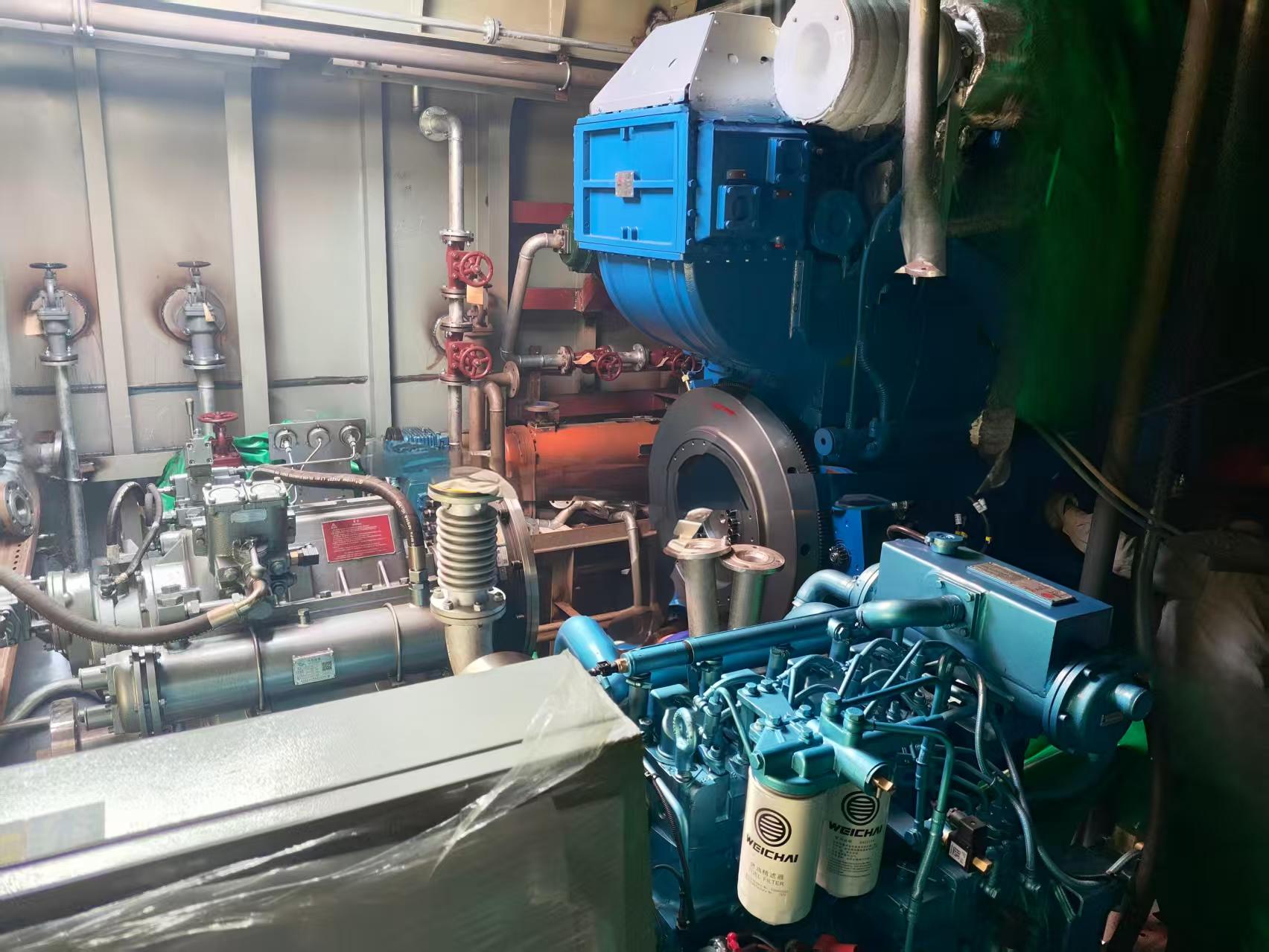
Selecting the right power output prevents operational failure. Standard inland push vessels range from 600 hp to roughly 10,000 hp. The industry average hovers around 1,200 hp. You must calculate necessary thrust based strictly on your barge payload. For context, these inland fleets handle massive scale. Standard metrics show inland river networks move over 600 million tons of cargo annually. If you underestimate horsepower, river currents will overpower your vessel. This leads to dangerous loss of steering control.
Agility thresholds dictate your propulsion system. You must break down your requirements into one of three core classifications. Each serves a specific maneuverability standard.
Conventional Tugs: These feature standard diesel engines and fixed-pitch propellers. They provide reliable, low-maintenance power. They excel at straight-line pulling but lack tight-quarters agility.
Tractor Tugs: These utilize specialized drive units located under the hull. They deliver enhanced multidirectional agility. Port authorities rely on them heavily for tight port constraints and complex ship assists.
Azimuthal Stern Drive (ASD): This represents the modern hybrid standard. ASD drives rotate a full 360 degrees. They deliver complex maneuvers seamlessly. They combine immense pushing power with precise pulling control.
Contractors often face rapid deployment requirements. Inland marine construction demands extreme logistical flexibility. In these scenarios, you should evaluate "truckable" vessel options. Builders design these small towboats specifically for highway transportation. You can load them onto standard flatbed trailers. This allows rapid deployment to remote inland lakes or landlocked construction sites. They eliminate the need for long, complicated water transits to reach isolated projects.
Deploying the wrong vessel type guarantees catastrophic operational failure. We strongly warn against utilizing shallow-draft vessels in unprotected coastal zones. Wave action aggressively compromises rigid push-knee connections. When facing wires snap under dynamic load, loose barges become deadly navigational hazards. Always match hull design to the most extreme sea state expected in your operating area. Never assume a river vessel can survive a short coastal transit safely.
Long-term vessel performance relies entirely on initial build quality. When procuring new maritime assets, look closely at structural welding quality. Welds must withstand decades of severe vibration and physical impact. Corrosion resistance is equally critical, especially for saltwater exposure. Insist on high-grade marine coatings and sacrificial anode systems. Review the builder's historical output. Reliable maintenance histories from previous clients indicate a trustworthy engineering partner.
The maritime industry continues to evolve in terms of engineering precision and operational safety. When you search for tug boats for sale, working directly with a shipyard gives you full control over build quality and customization. Qinhai Shipyard is a professional shipyard that builds only brand‑new vessels, ensuring every weld, coating, and system is fresh and fully warranted.
Partnering with a reliable high performance tugboats manufacturer ensures you secure durable, well-engineered assets. A capable builder will help you select the right propulsion configuration, hull design, and safety features for your specific waterway—whether inland river or open coast. This partnership guarantees that your fleet remains dependable and cost-effective for decades of hard service.
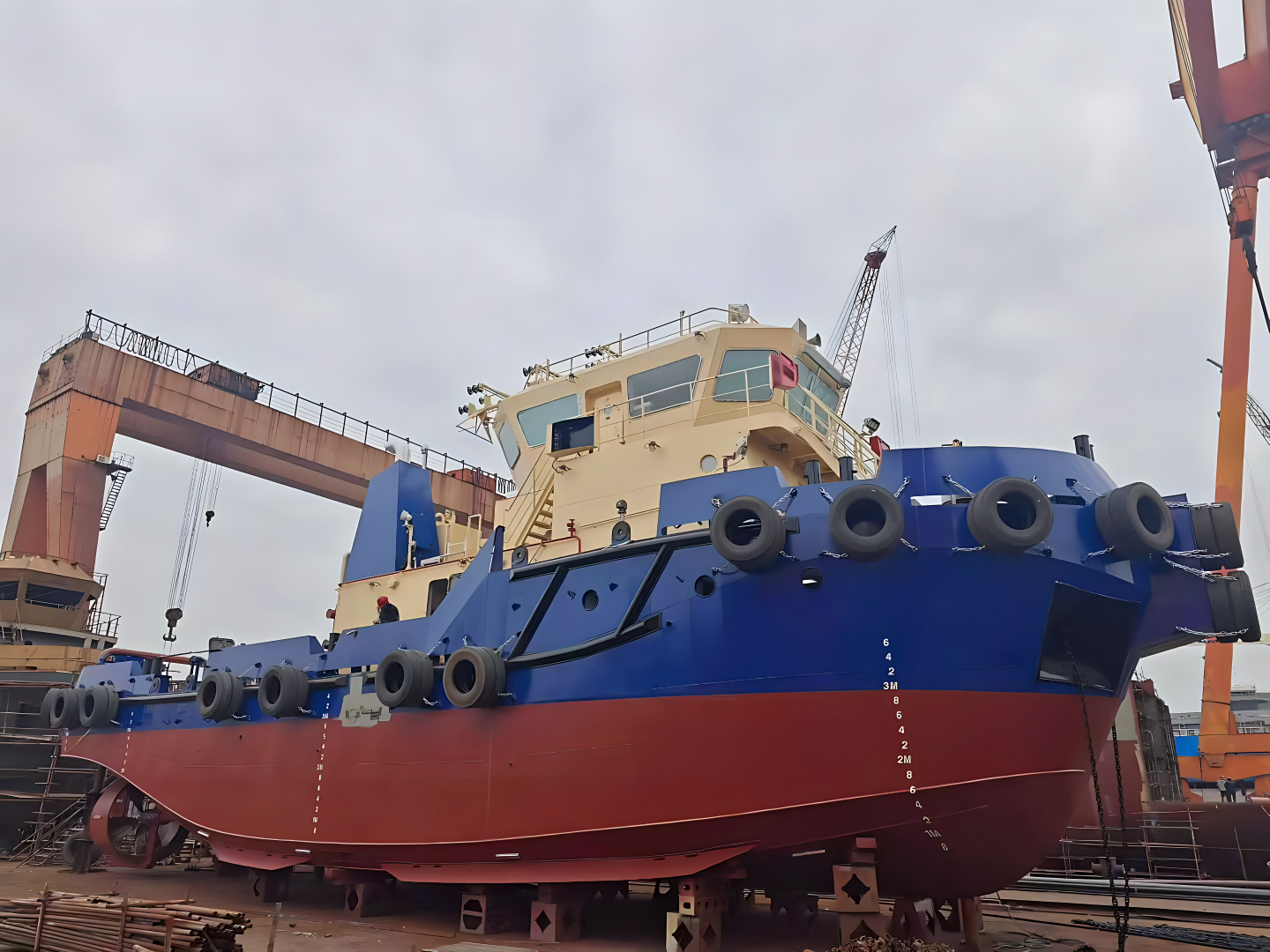
The choice between these two distinct vessel types ultimately hinges on your specific project location. You must carefully assess required maneuverability and strict draft restrictions before finalizing any procurement decision. Precision in vessel selection directly prevents costly operational bottlenecks and potentially fatal safety failures on the water.
As you evaluate your fleet expansion, prioritize engineering reality over assumed naming conventions. Understand exactly how hull shapes interact with local wave frequencies. Calculate your required bollard pull meticulously. Procurement leaders and project managers must consult directly with skilled engineering teams. We recommend assessing specific horsepower requirements immediately. Review custom hull designs tailored to your waterways. Request comprehensive technical spec sheets for high-performance vessels to guarantee operational success.
A: Generally, no. Towboats feature flat-bottomed hulls engineered for calm, shallow inland waters. They lack watertight bulkheads and wave-piercing bows. Deploying them in open ocean swells causes severe instability and risks rapid capsizing. The only exception involves specialized, short-distance "ocean push boats" utilized strictly for protected coastal construction, not open-ocean transit.
A: The name does not describe the physical action of the boat itself. Instead, it refers to the cargo it moves. In maritime terminology, a linked group of river barges is collectively called "the tow." Therefore, the vessel moving them is the towboat, even though it strictly pushes.
A: This describes a highly rigid connection method used in inland waterways. The towboat aligns its heavy-duty steel "push knees" against the rear of a barge. Crews then tightly bind the vessel to the barge using heavy facing wires. This creates a single, rigid steering unit optimized for narrow rivers.
A: Your choice depends entirely on required maneuverability. Conventional tugs use fixed propellers. They are cost-effective and excel at long, straight-line open-ocean transit. ASD (Azimuthal Stern Drive) tugs feature 360-degree rotating thrusters. Choose an ASD tug if you require extreme precision and multidirectional agility within tight, crowded port environments.


