
Views: 0 Author: Site Editor Publish Time: 2025-12-16 Origin: Site


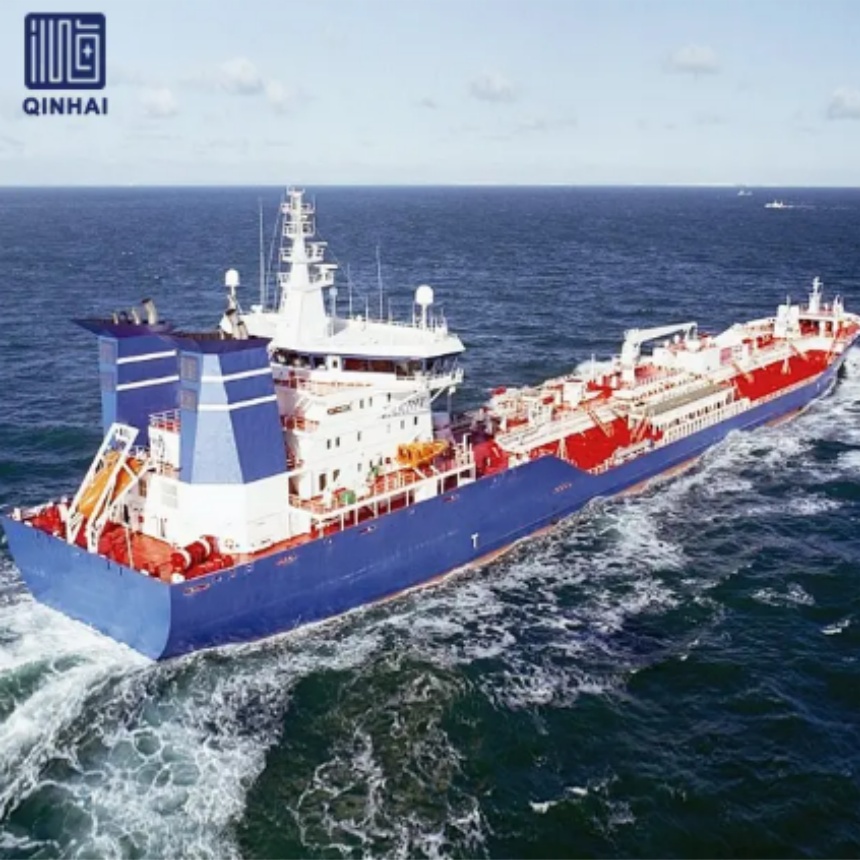
Oil tankers are a critical part of the global energy infrastructure, ensuring that petroleum products are transported efficiently across vast distances to meet the ever-growing energy demands of the world. With the rise in industrialization, population growth, and the demand for energy in emerging markets, oil tankers play an indispensable role in supplying the world with the fuel necessary for transportation, manufacturing, and energy production. But how do oil tankers contribute to meeting global energy demands? In this article, we will explore the key role oil tankers play in the energy supply chain, and how their cost-performance ratio makes them a crucial part of global logistics.
The primary function of oil tankers is to transport crude oil and refined petroleum products across vast distances, from production regions to consumption centers. Oil is often produced in one part of the world and consumed in another, creating a global market for crude oil and refined products. For example, oil may be extracted from reserves in the Middle East, Africa, or Russia, but it is then transported to refineries and consumers in North America, Europe, and Asia.
Oil tankers are essential for this global trade. They transport millions of barrels of crude oil daily, delivering the fuel that powers economies worldwide. Without oil tankers, transporting this vital resource over such vast distances would be impractical, if not impossible, through alternative means of transport.
Energy security is a critical concern for many nations, as it ensures the uninterrupted supply of fuel needed to power industries, transportation, and households. Oil tankers help ensure this energy security by maintaining a steady flow of oil from production sites to refining facilities and, eventually, to consumers.
Oil tankers are often seen as a safeguard against energy disruptions. For instance, in the case of geopolitical tensions or natural disasters that affect supply chains, oil tankers can help redirect oil supplies to areas that may otherwise face shortages. The flexibility and scale of oil tanker operations enable the global market to adapt quickly to changing energy demands, ensuring that oil remains available for those who need it.
The demand for energy worldwide has been on a steady rise for decades. With industrialization, population growth, and urbanization, countries are consuming more energy than ever before. While renewable energy sources are gaining traction, oil remains one of the most reliable and widely used sources of energy globally. Oil tankers are responsible for meeting this ever-growing demand by delivering the necessary amounts of oil to power economies.
For instance, emerging markets such as China and India are becoming major consumers of oil as their economies grow. These countries rely heavily on oil imports to fuel their industries and transportation sectors. Oil tankers help meet the energy needs of these rapidly developing nations by ensuring a consistent and reliable supply of crude oil.
One of the reasons why oil tankers are so effective in meeting global energy demands is the cost-effectiveness of transporting oil by sea. Compared to other forms of transportation, such as pipelines, railways, or trucks, shipping oil via tankers is far more economical on a per-barrel basis, especially for long-distance transport. The economies of scale that oil tankers can achieve, by carrying hundreds of thousands of barrels of oil at a time, make them a highly efficient mode of transport.
In addition, oil tankers can operate in international waters, bypassing the need for complex land-based infrastructure and reducing the associated costs. The ability to load and unload oil at port facilities around the world, coupled with low fuel consumption for large-capacity tankers, keeps the cost of transporting oil manageable, ensuring that it remains affordable for both producers and consumers.
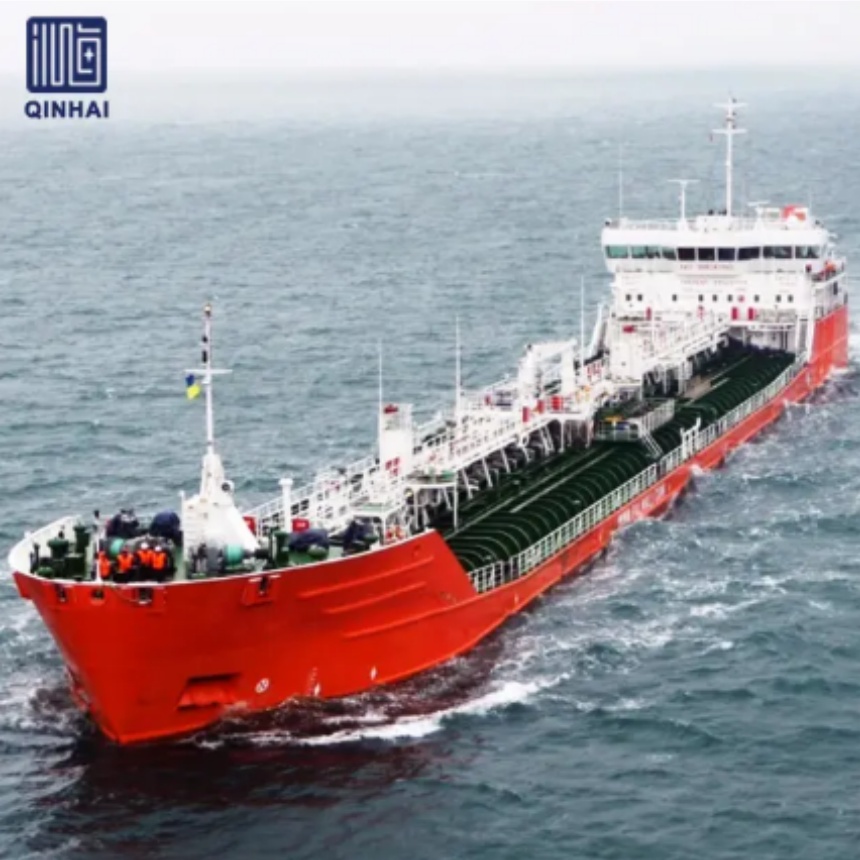
One of the key advantages of oil tankers is their ability to transport large volumes of oil at once. Modern oil tankers, such as Very Large Crude Carriers (VLCCs), can carry more than 2 million barrels of crude oil in a single journey. This massive capacity allows oil companies to take advantage of economies of scale, where the cost of transporting oil per barrel decreases as the size of the shipment increases.
By transporting oil in bulk, oil tankers help reduce the overall cost of logistics, making it more affordable for countries and companies to import or export oil. The larger the tanker, the lower the per-barrel transportation cost, which is crucial for meeting global energy demands at competitive prices.
Modern oil tankers are designed to be highly fuel-efficient. Although they are large vessels, advancements in ship design, engine technology, and fuel management have allowed for a reduction in fuel consumption per ton of oil transported. These innovations contribute to the overall cost-effectiveness of the shipping process.
Efficient fuel usage also minimizes the environmental impact of oil transportation. As global environmental concerns continue to grow, oil companies and shipping firms are under increasing pressure to improve the sustainability of their operations. Many oil tankers are now designed to meet international environmental regulations, reducing carbon emissions and ensuring that the transport of oil remains efficient and responsible.
Oil tankers have access to a vast network of ports worldwide, enabling them to transport oil from nearly any production site to any consumption region. This global reach ensures that oil can be delivered to where it’s needed most, even if the supply comes from a distant or less-developed region. The well-established port infrastructure around the world allows oil tankers to efficiently load and unload oil, making the shipping process seamless and quick.
Furthermore, the ability to use large, dedicated oil terminals at key global ports ensures that tankers can be unloaded efficiently, reducing delays and increasing the speed at which oil can reach refineries and markets.
Oil tankers are known for their reliability in ensuring that oil supplies are delivered on time. The shipping industry has a long history of maintaining a dependable, global fleet of oil tankers, and modern vessels are equipped with advanced navigation, communication, and safety systems that ensure minimal disruptions to oil transport. This level of reliability helps meet global energy demands by reducing the risk of supply chain disruptions caused by weather events, geopolitical tensions, or technical issues.
Moreover, oil tankers can travel long distances relatively quickly, allowing oil to be transported from one part of the world to another in just a matter of weeks. The global shipping routes that oil tankers follow are optimized for efficiency, reducing the time it takes to deliver oil to market.
While oil tankers play a crucial role in meeting global energy demands, they also face increasing scrutiny due to their environmental impact. Oil tankers are large vessels that consume significant amounts of fuel, contributing to carbon emissions and other pollutants. As a result, there is growing pressure from regulatory bodies, environmental organizations, and the public to improve the sustainability of oil transport.
To address these concerns, the industry is exploring cleaner fuel options, such as LNG (liquefied natural gas) or hydrogen, as well as implementing new technologies to reduce emissions and improve fuel efficiency. Additionally, the development of green shipping technologies—such as eco-friendly hull designs and improved engines—will help reduce the environmental footprint of oil tankers in the years to come.
The future of oil tankers involves finding the balance between meeting the world’s energy demands and minimizing environmental impact. Efforts to reduce emissions, improve fuel efficiency, and transition to cleaner energy sources will play a significant role in making the oil transport industry more sustainable. As the world moves toward cleaner energy solutions, oil tankers will need to evolve to meet the challenges of both energy security and environmental responsibility.
Oil tankers are undeniably vital to meeting global energy demands. Their ability to transport large volumes of oil efficiently, their cost-effectiveness, and their global reach make them essential in the worldwide energy supply chain. As demand for oil continues to rise and new challenges emerge, oil tankers will remain at the forefront of ensuring energy security and fueling economic growth around the world.
At Qin Hai Shipping Science and Technology Co., Ltd., we specialize in providing high-quality oil tankers and shipping solutions that meet the needs of the global energy market. Our fleet of oil tankers is designed to be efficient, reliable, and environmentally responsible, ensuring that your energy transport needs are met with the highest standards of performance.
If you’re looking for more information about our oil tanker solutions or want to explore how we can help meet your energy transportation needs, feel free to contact Qin Hai Shipping Science and Technology Co., Ltd. We’re here to provide the right solutions for your business.


